Experience Sapporo's Winter Magic and Relax in Soothing Onsen Hot Springs
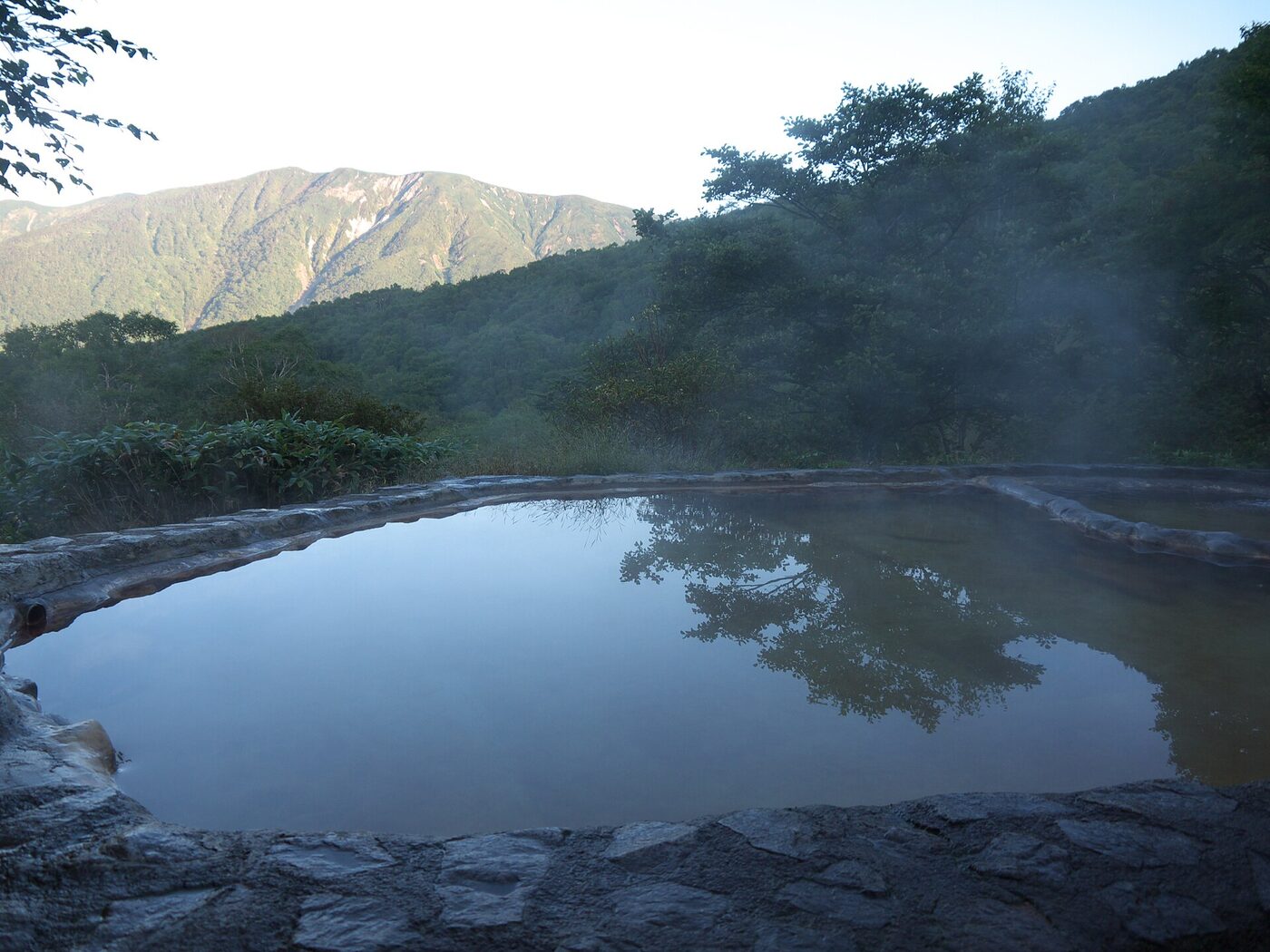
Planning a trip to Sapporo during winter means experiencing the dazzling Sapporo Snow Festival, and combining this with a relaxing onsen (hot spring) side trip is a perfect way to enjoy Hokkaido's winter charm. The festival offers incredible snow and ice sculptures, while nearby onsen towns provide a warm escape from the cold. Many onsen facilities are accessible for day trips, allowing you to easily fit them into your festival itinerary.
The Sapporo Snow Festival is a world-renowned event that transforms the city into a winter wonderland. Held annually, it features a variety of impressive snow and ice sculptures, drawing visitors from around the globe. While the festival is the main attraction, the surrounding Hokkaido region offers natural beauty and relaxation, especially in its numerous onsen resorts. Combining the vibrant festival atmosphere with the tranquil experience of a hot spring bath is a popular choice for inbound tourists seeking a well-rounded Japanese winter adventure.
What is the Sapporo Snow Festival?
The Sapporo Snow Festival, officially known as Sapporo Yuki Matsuri, is a major winter event that showcases the artistry of snow and ice. The festival typically runs for about a week, usually in early February. For 2027, the festival is scheduled to take place from February 4 to February 11 [1]. It is spread across three main sites, each offering a different experience: Odori Park, Susukino, and Tsudome [2].
Odori Park, a large urban green space, is the main venue and is famous for its massive, intricately carved snow sculptures. These can be truly breathtaking, often depicting famous landmarks, characters, or historical scenes. The sheer scale and detail of these creations are a testament to the skill of the artists [3]. As night falls, these sculptures are often illuminated, creating a magical spectacle [4].
The Susukino district, Sapporo's entertainment hub, features stunning ice sculptures. These are often more delicate and detailed than the snow sculptures, and their transparency and clarity are captivating, especially when lit up at night [5]. Walking through Susukino during the festival offers a different kind of visual delight, blending the festival's artistry with the city's vibrant nightlife.
The Tsudome site is more family-oriented, offering a range of snow-based activities. This is a great place for visitors with children to enjoy snow slides, tubing, and other fun ways to interact with the snow [6]. Entry to all three of these festival sites – Odori Park, Susukino, and Tsudome – is free of charge, making it an accessible event for all travelers [7].
Can I Visit an Onsen After the Snow Festival?
Yes, absolutely! Hokkaido is famous for its abundant natural hot springs, known as onsen. After a day of exploring the snow sculptures and the winter city, a visit to an onsen is the perfect way to warm up and relax. There are several onsen towns easily accessible from Sapporo, offering a tranquil escape into nature.
Two of the most popular onsen destinations near Sapporo are Jozankei Onsen and Noboribetsu Onsen. Both offer unique experiences and are well-suited for day trips or overnight stays. Many ryokan (traditional Japanese inns) and public bathhouses in these areas offer day-use options, allowing visitors to experience the onsen without staying overnight [8]. It is always a good idea to check the specific facilities and any reservation requirements in advance, especially during peak festival season.
Discover Jozankei Onsen: The "Hot Springs of Heat"
Jozankei Onsen is a charming hot spring resort nestled in a valley along the Toyohira River, located southwest of Sapporo. It is known for its natural beauty and its therapeutic hot springs [9]. The journey to Jozankei is relatively short, making it an ideal side trip from the Sapporo Snow Festival. It can be reached in approximately 40-75 minutes from central Sapporo [10].
How to Get to Jozankei Onsen?
There are a few convenient ways to travel from Sapporo to Jozankei Onsen. The Kappa Liner bus is a popular option, though it requires a reservation and takes about 75 minutes [10]. Alternatively, local buses operate on a more frequent schedule, with journeys taking around 70-80 minutes [10]. Many hotels in Sapporo also offer shuttle services to Jozankei, which can be a very convenient option if you are staying at one of these hotels [11].
What are the Onsen Like in Jozankei?
Jozankei Onsen is renowned for its hot springs, which are primarily sodium chloride springs [12]. These types of springs are known for their ability to retain heat on the skin, which is why Jozankei has earned the nickname "hot springs of heat" [13]. The mineral-rich waters are believed to be beneficial for a variety of ailments, offering a deeply relaxing and rejuvenating experience [14]. The natural scenery surrounding Jozankei, with its forested mountains and the river, adds to the tranquil atmosphere [15].
Tattoo-Friendly Options in Jozankei
For travelers with tattoos, finding an onsen that welcomes them can sometimes be a concern, as many traditional onsen have strict no-tattoo policies in their public baths. However, Jozankei has some excellent options. Hoheikyo Onsen in the Jozankei area is fully tattoo-friendly [18]. Additionally, Jozankei Yurakusoan offers private in-room and rental baths, providing a more intimate and private onsen experience [18]. Jozankei Daiichi Hotel Suizantei also welcomes tattooed guests in its public baths, offering a comfortable option for those who wish to enjoy the communal bathing experience [20].
Explore Noboribetsu Onsen: A Volcanic Wonderland
Noboribetsu Onsen is another highly recommended hot spring destination, located a bit further from Sapporo but offering a dramatically different landscape and a wider variety of hot spring types. It is often called the "department store of hot springs" due to its incredible diversity of mineral waters [26].
How to Get to Noboribetsu Onsen?
Reaching Noboribetsu Onsen from Sapporo is straightforward. You can take a JR Limited Express train from Sapporo Station to Noboribetsu Station, a journey that takes approximately 75 minutes and costs around 4,890 yen for a reserved seat [23]. From Noboribetsu Station, you will need to take a local bus for about 15 minutes to reach the onsen town, with bus fares typically around 450 yen [23].
What Makes Noboribetsu Unique?
Noboribetsu's fame comes from its nine distinct types of spring water, including sulfur, iron, acidic, and salt springs [26]. These diverse waters all originate from the nearby Jigokudani, also known as Hell Valley [24]. Jigokudani is a spectacular volcanic crater with steaming vents, sulfurous fumes, and bubbling hot springs, creating a surreal and powerful landscape [25]. It is a must-see attraction and is free to visit [25]. You can also enjoy a natural foot bath at Oyunumagawa Brook, a warm stream flowing from a crater lake [25].
Tattoo-Friendly Options in Noboribetsu
Similar to Jozankei, Noboribetsu also offers tattoo-friendly onsen facilities. Dai-ichi Takimotokan is widely reported as being fully tattoo-friendly in its public baths [21, 22]. This means you can enjoy the unique hot spring waters of Noboribetsu without worry.
Understanding Onsen Etiquette
To ensure a pleasant and respectful experience at any onsen, it's important to follow standard onsen etiquette [33]. This is a fundamental part of Japanese culture and helps maintain cleanliness and harmony in the bathing area.
The first step is to thoroughly wash your body at the shower stations provided before entering the communal baths [34]. This is to ensure that the bath water remains clean for everyone. Onsen are typically entered naked; swimwear is not allowed in the main bathing areas [35]. You will usually find a changing room where you can leave your clothes and belongings.
It is also customary to keep your small towel out of the bath water. Many people use the towel to wash themselves, but when entering the bath, the towel is usually placed on the side of the bath or on your head [36]. Respecting these customs will help you have a more authentic and enjoyable onsen experience.
Planning Your Sapporo Snow Festival and Onsen Trip
Combining the Sapporo Snow Festival with an onsen visit offers a truly memorable winter experience in Hokkaido. The festival provides vibrant entertainment and visual spectacle, while the onsen offers a chance to relax and rejuvenate in the natural beauty of Hokkaido.
Comparing Jozankei and Noboribetsu Onsen
| Feature | Jozankei Onsen | Noboribetsu Onsen |
|---|---|---|
| Proximity to Sapporo | Closer (40-75 minutes) | Further (approx. 75 min train + 15 min bus) |
| Primary Spring Type | Sodium chloride springs ("hot springs of heat") | Nine distinct types (sulfur, acidic, etc.) |
| Key Attraction | Natural valley scenery, relaxing waters | Jigokudani (Hell Valley), diverse spring types |
| Tattoo-Friendly Options | Hoheikyo Onsen, Jozankei Yurakusoan (private baths), Jozankei Daiichi Hotel Suizantei | Dai-ichi Takimotokan |
| Atmosphere | Tranquil, nature-focused | Dramatic, volcanic landscape |
| Accessibility | Bus (Kappa Liner, local), hotel shuttles | JR train + local bus |
Both Jozankei and Noboribetsu offer unique charms. Jozankei provides a more accessible and serene escape, perfect for a shorter day trip focused on relaxation. Noboribetsu offers a more dramatic and geologically active experience, with a wider range of hot spring types to explore.
When planning your trip, consider the Sapporo Snow Festival dates: February 4 to February 11, 2027 [1]. This period will be busy, so booking accommodation and any necessary transportation in advance is highly recommended. Many onsen facilities offer day-use options, so you can easily visit them on the same day you explore the festival sites [8].
Browse Sapporo ryokan & hotel deals on Expedia → Find Sapporo onsen tickets & tours on Klook → Find Noboribetsu onsen tickets & tours on Klook →
By combining the dazzling artistry of the Sapporo Snow Festival with the soothing warmth of Hokkaido's natural onsen, you can create an unforgettable winter journey. Whether you choose the tranquil valley of Jozankei or the dramatic volcanic landscapes of Noboribetsu, a side trip to an onsen will undoubtedly enhance your Sapporo winter adventure.
Where to stay in Sapporo
Onsen hotels and ryokan in Sapporo listed on Rakuten Travel, Japan's largest domestic booking site.
- 天然温泉 空沼の湯 スーパーホテル札幌・すすきの ★ 4.2 (3,286 reviews) · from ¥4,460
- 天然温泉 大志の湯 スーパーホテル札幌・北5条通 ★ 4.2 (1,130 reviews) · from ¥4,840
- 天然温泉プレミアホテル―CABIN―札幌 ★ 4.2 (3,101 reviews) · from ¥3,595
Links open Rakuten Travel, which is in Japanese — your browser's built-in translation handles the booking pages well. We may earn a commission at no extra cost to you.
Sources
[1] kkday.com — https://www.kkday.com/en/blog/82597/sapporo-snow-festival [2] odynovotours.com — https://www.odynovotours.com/japan/hokkaido/sapporo-snow-festival-guide.html [3] allgoodstay.com — https://allgoodstay.com/guides/sapporo-snow-festival [4] travelhokkaido.com — https://travelhokkaido.com/sapporo-snow-festival/ [5] umetravel.com — https://www.umetravel.com/japan-travel-guide/sapporo-snow-festival.html [6] selfguidejapan.com — https://selfguidejapan.com/blog/sapporo-snow-festival-2027 [7] gaijinpot.com — https://travel.gaijinpot.com/sapporo-snow-festival/ [8] japan.travel — https://www.japan.travel/en/spot/1934/ [9] travelhokkaido.com — https://travelhokkaido.com/jozankei-onsen-day-trip-from-sapporo-itinerary/ [10] klook.com — https://www.klook.com/en-US/destination/p60271489-jozankei-onsen/ [11] jozankeiview.com — https://en.jozankeiview.com/access/ [12] samurai-sauna-magazine.com — https://samurai-sauna-magazine.com/en/guides/jozankei-onsen-complete-guide [13] jozankei.jp — https://jozankei.jp/en/about/quality/ [14] hokkaido-treasure.com — https://hokkaido-treasure.com/column/138/ [15] jozankei.jp — https://jozankei.jp/en/highlights/ [18] tattoofriendlyonsen.com — https://www.tattoofriendlyonsen.com/onsen/jozankei-yurakusoan [20] japanese-onsen.com — https://japanese-onsen.com/ryokans/jyozankei-daiichi-hotel-suizantei/ [21] roamjapan.com — https://roamjapan.com/blog/tattoo-friendly-onsen-japan/ [22] campinjapan.com — https://www.campinjapan.com/blog/tattoo-friendly-onsen-hokkaido [23] sapporostation.com — https://www.sapporostation.com/day-trip-from-sapporo-to-noboribetsu-onsen/ [24] memoirsofaglobetrotter.com — https://www.memoirsofaglobetrotter.com/noboribetsu-onsen-travel-guide/ [25] japan-guide.com — https://www.japan-guide.com/e/e6753.html?aFROM=2163_6750 [26] hotspringsguides.com — https://www.hotspringsguides.com/hot-springs/noboribetsu-onsen-japan [33] okonsen.net — https://okonsen.net/guide/onsen_etiquette_guide_en [34] hokkaido-adventures.com — https://hokkaido-adventures.com/onsen-etiquette-guide/ [35] ryokanwanderings.com — https://www.ryokanwanderings.com/japan-travel-tips/onsen-etiquette-guide [36] casatours.com — https://casatours.com/gomezs-gaijin-guide-japan-onsen-etiquette/
Ready to plan your visit?
Prices and slots for popular baths change with the season — check today's availability before you build your itinerary.
Check availability on Klook