Ryokan vs. Onsen Hotel: Understanding the Key Differences for Your Japanese Stay
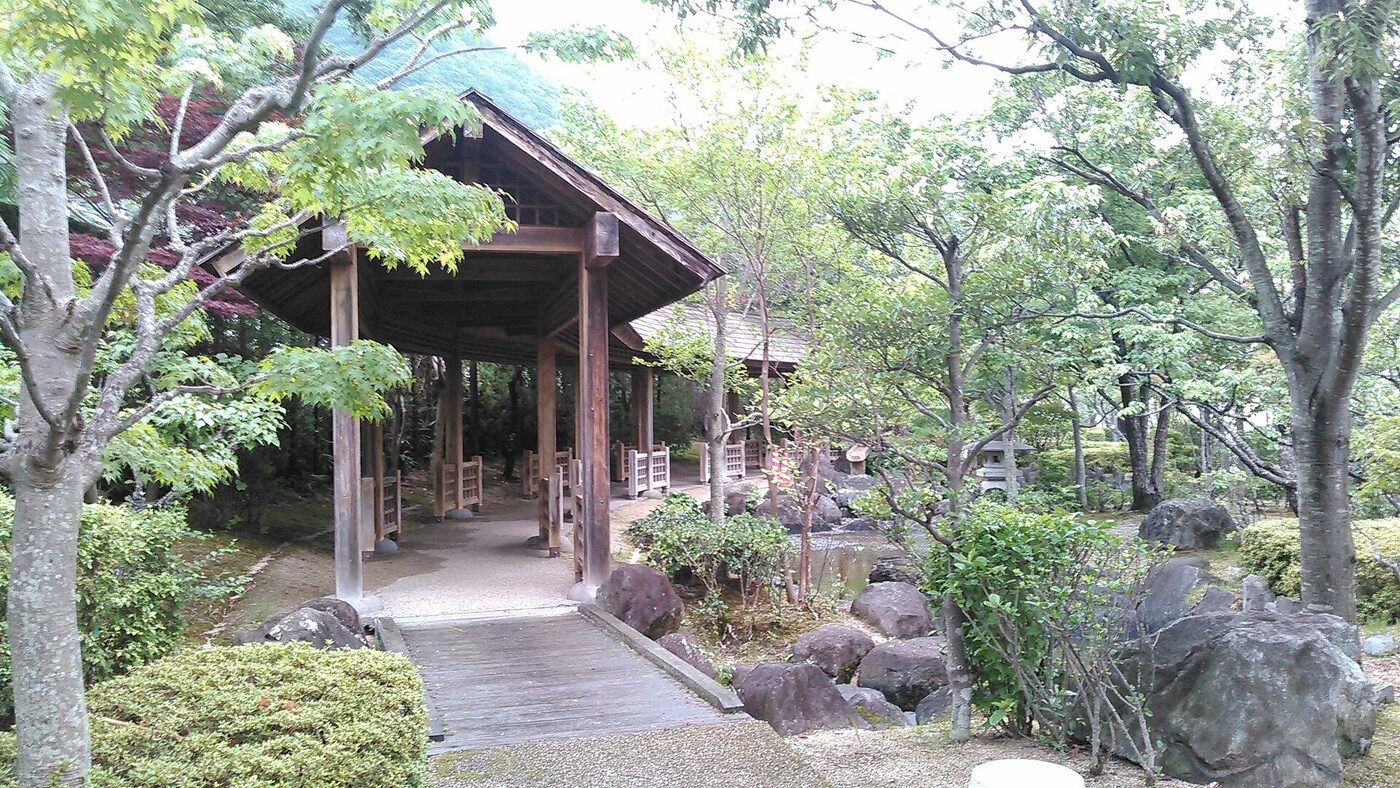
When planning a trip to Japan, you'll likely encounter the terms "ryokan" and "onsen hotel." While both offer a unique way to experience Japan, they provide distinctly different accommodations and experiences. A ryokan is a traditional Japanese inn focused on cultural immersion, featuring tatami mats and futon beds, while an onsen hotel is a modern hotel with natural hot spring baths as its main attraction. Understanding these differences is crucial for choosing the perfect stay that matches your travel style and expectations.
The core distinction lies in the experience offered. A ryokan is designed to transport you into traditional Japanese life, emphasizing hospitality, aesthetics, and a slower pace. It's about immersing yourself in the culture, from the architecture and furnishings to the meals and service. An onsen hotel, on the other hand, is primarily a lodging facility that happens to have natural hot spring baths. While it may offer a comfortable stay, the focus is on the therapeutic and relaxing benefits of the onsen itself, often within a more contemporary setting.
What Exactly is a Ryokan?
A ryokan is more than just a place to sleep; it's a cultural experience. These traditional inns have been a part of Japanese accommodation for centuries and offer a glimpse into a bygone era [1, 2]. Stepping into a ryokan, you'll immediately notice the distinct features that set it apart from a Western-style hotel. The floors are typically covered in tatami mats, woven straw squares that provide a natural, earthy scent and a soft surface underfoot [3]. Instead of beds, you'll sleep on a futon, a comfortable mattress that is laid out on the tatami each evening and stored away during the day [4].
The rooms themselves are often minimalist, with sliding shoji screens that allow for flexible room configurations and a sense of openness. Many ryokans also provide guests with yukata, a casual cotton kimono, which you are encouraged to wear around the property, including to the dining areas and baths [5]. This attire further enhances the feeling of being immersed in Japanese tradition. The hospitality at a ryokan is known as "omotenashi," a concept of selfless service that anticipates guests' needs without being intrusive [6]. This dedication to guest comfort and experience is a hallmark of ryokan stays.
The culinary aspect of a ryokan stay is also a significant part of the experience. Most ryokan rates include an elaborate multi-course kaiseki dinner and a traditional Japanese breakfast [7]. Kaiseki is a highly artistic and seasonal meal, meticulously prepared and beautifully presented, often featuring local ingredients [8]. These meals are typically served either in the privacy of your own room or in a communal dining hall, adding to the communal or intimate feel of the ryokan [9]. The pricing for ryokans is generally per person, per night, and these meals are usually included in the quoted rate [10]. The average price for a ryokan stay can hover around 15,000 JPY per night, but high-end establishments can range significantly, from 30,000 to 80,000 JPY per person [11].
It's important to note that not all ryokans have their own natural hot spring baths. The term "ryokan" refers to the traditional inn style of accommodation itself. If a ryokan does have hot spring facilities, it is specifically called an "onsen ryokan" [5, 26]. Therefore, if experiencing natural hot springs is a priority, look for properties explicitly advertised as onsen ryokans.
What is an Onsen Hotel?
An onsen hotel, in contrast to a ryokan, is a modern hotel that prominently features natural hot spring bathing facilities [14]. While it may incorporate some Japanese design elements, its primary identity is that of a hotel, often with Western-style rooms, beds, and amenities. The defining characteristic of an onsen hotel is its access to "onsen" – natural hot spring water that meets specific standards for temperature (a minimum of 25°C) or mineral content [16, 17]. These hotels leverage the therapeutic and relaxing properties of these natural springs, making them the central attraction for guests.
Onsen hotels typically offer a wider range of accommodation and dining options compared to ryokans. They usually price their rooms on a per-room basis, offering more flexibility in meal plans. Guests might choose a breakfast-only option, a room-only rate, or even half-board packages [15]. This flexibility allows travelers to tailor their stay to their budget and preferences, perhaps opting to explore local restaurants for other meals. Standard onsen hotel plans can range from 10,000 to 30,000 JPY per person, while suites and premium plans, which might include more exclusive access to onsen facilities or enhanced room features, can cost between 50,000 to 100,000 JPY per person [11].
The amenities at an onsen hotel are generally more aligned with international hotel standards. You can expect en-suite bathrooms, televisions, Wi-Fi, and often a concierge service. While some onsen hotels might offer traditional Japanese elements, the overall atmosphere tends to be more contemporary and less focused on deep cultural immersion than a ryokan. The emphasis is on providing a comfortable and convenient stay with the added benefit of readily accessible hot spring baths.
Browse onsen ryokan stays across Japan on Expedia →
How Do Ryokan and Onsen Hotel Experiences Differ?
The fundamental difference between a ryokan and an onsen hotel lies in their core purpose and the experience they aim to provide. A ryokan is designed for cultural immersion and a slower pace of life, offering a deep dive into traditional Japanese hospitality and aesthetics [6, 8]. The entire experience, from the tatami floors and futon beds to the kaiseki meals and yukata robes, is curated to transport guests into a traditional Japanese setting. The emphasis is on "omotenashi," a unique form of Japanese hospitality that focuses on anticipating guests' needs with meticulous care and a genuine desire to ensure their comfort and enjoyment [6].
An onsen hotel, conversely, prioritizes modern convenience and the therapeutic benefits of its hot spring facilities [14, 15]. While it offers a comfortable place to stay and access to natural hot springs, the overall experience is generally less about cultural immersion and more about relaxation and rejuvenation. Guests at an onsen hotel are more likely to find Western-style amenities and a more conventional hotel atmosphere.
The dining experience is another significant differentiator. Ryokans typically include elaborate, multi-course kaiseki dinners and traditional Japanese breakfasts as part of their standard rate, making dining an integral part of the cultural experience [7, 8]. Onsen hotels, however, usually offer more flexible meal plans, allowing guests to choose from options like breakfast-only or room-only rates, and often encourage guests to explore local dining options [15].
Timing can also be a factor. Late arrivals at ryokans can impact the enjoyment of dinner, as meal times are often fixed and relatively early, and advance notice for dietary requests is crucial [12]. Onsen hotels, with their more modern hotel structure, often have more flexible dining hours or a la carte options.
What About Onsen Etiquette?
Whether you choose a ryokan or an onsen hotel, understanding and respecting onsen etiquette is essential for a pleasant and considerate bathing experience [7, 18]. The rules are generally consistent across both types of establishments.
First and foremost, always shower thoroughly before entering the communal hot spring bath [7, 20]. This is to maintain the cleanliness of the water for everyone. You will typically find shower stalls with stools and basins for this purpose.
When entering the bath itself, it is customary to be completely nude [7, 19]. Swimsuits are not permitted in most communal onsen baths. You can bring your small towel into the bathing area, but it should be placed on the side of the bath or on your head, not in the water [7, 20].
Maintain a quiet and respectful atmosphere in the bathing area. Loud conversations or disruptive behavior are discouraged [7, 18]. The onsen is a place for relaxation and contemplation.
It's also worth noting that many traditional onsens and onsen hotels still restrict guests with visible tattoos from communal bathing areas [11]. This is due to historical associations with organized crime in Japan, though attitudes are slowly changing. Some establishments are becoming more tattoo-friendly, or they may offer private baths as an alternative for guests with tattoos [11]. It is always best to check the specific policy of the establishment in advance.
Which Should You Choose: Ryokan or Onsen Hotel?
The choice between a ryokan and an onsen hotel ultimately depends on your personal travel priorities.
Choose a Ryokan if:
- You are seeking a deep cultural immersion into traditional Japanese life.
- You want to experience authentic Japanese hospitality ("omotenashi").
- You are interested in enjoying elaborate, artistic kaiseki meals as part of your stay.
- You appreciate traditional aesthetics, such as tatami floors and futon bedding.
- You are looking for a slower-paced, more contemplative travel experience.
- You are interested in staying in an "onsen ryokan" to combine traditional lodging with hot spring access.
Choose an Onsen Hotel if:
- Your primary goal is to relax and rejuvenate in natural hot springs.
- You prefer modern comforts and Western-style amenities.
- You value flexibility in your dining and accommodation plans.
- You want convenient access to onsen facilities without necessarily immersing yourself in a fully traditional environment.
- You are traveling with a group or family and prefer per-room pricing.
- You are looking for a balance between a comfortable hotel stay and the benefits of onsen bathing.
Both ryokans and onsen hotels offer unique and memorable ways to experience Japan. By understanding their distinct characteristics, you can make an informed decision that will enhance your journey and create lasting memories. Booking directly with a ryokan can sometimes offer better rates or flexibility compared to third-party online travel agencies [13].
Popular onsen towns to stay in
One stay in each of three classic onsen towns, listed on Rakuten Travel, Japan's largest domestic booking site.
- 箱根湯本温泉 伊東園ホテル 箱根湯本 Hakone · ★ 4.0 (625 reviews) · from ¥7,898
- 草津温泉 5種貸切風呂の宿 湯宿 きんだい Kusatsu · ★ 4.4 (532 reviews) · from ¥13,000
- 城崎温泉 しののめ荘 Kinosaki · ★ 3.8 (122 reviews) · from ¥11,900
Links open Rakuten Travel, which is in Japanese — your browser's built-in translation handles the booking pages well. We may earn a commission at no extra cost to you.
Sources
[1] japan.travel — https://www.japan.travel/en/guide/japanese-ryokan/ [2] japanko-official.com — https://japanko-official.com/ryokan/ [3] hakone-japan.com — https://hakone-japan.com/plan-your-trip/stories/experience/what-is-ryokan/ [4] ryokanfinder.com — https://ryokanfinder.com/guide/what-is-a-ryokan [5] onsenjp.com — https://onsenjp.com/onsen-ryokan-faq/ [6] japan-experience.com — https://www.japan-experience.com/plan-your-trip/to-know/traveling-japan/ryokan [7] yuki-no-tane.com — https://japan.yuki-no-tane.com/understand/onsen-and-ryokan-etiquette [8] japanryokanguide.com — https://www.japanryokanguide.com/en/blog/ryokan-vs-hotel [9] asoventure.jp — https://japan.asoventure.jp/en/article/ryokan-vs-hotel-traditional-inn-worth-price-2026 [10] mlit.go.jp — https://www.mlit.go.jp/kankocho/ryokan/list_en.html [11] bespoke-discovery.com — https://blog.bespoke-discovery.com/onsen-ryokan-complete-guidemastering-anniversary-stays-and-how-to-choose-an-onsen-hotel [12] japan-guide.com — https://www.japan-guide.com/e/e2029_reservations.html [13] japanryokanguide.com — https://www.japanryokanguide.com/en/blog/ryokan-booking-tips [14] singaporehotelfinder.com — https://singaporehotelfinder.com/guides/onsen-hotel-guide/ [15] japaneseinnstay.com — https://www.japaneseinnstay.com/ryokan-vs-onsen-hotel-what-separates-a-traditional-inn-from-a-hot-spring-resort [16] mai-ko.com — https://mai-ko.com/travel/japan/onsen/what-is-an-onsen/ [17] japanese-onsen.com — https://japanese-onsen.com/articles/what-is-an-onsen-in-japan/ [18] japan.travel — https://www.japan.travel/en/ph/story/onsen-etiquette/ [19] jal.co.jp — https://www.jal.co.jp/kr/en/guide-to-japan/plan-your-trip/tips/things-to-know-before-onsen-visit.html [20] banyantree.com — https://www.banyantree.com/japan/kyoto/experiences/onsen-and-hot-spring-etiquette-in-japan [26] selected-ryokan.com — https://selected-ryokan.com/info/what-is-onsen-ryokan.html
Ready to plan your visit?
Prices and slots for popular baths change with the season — check today's availability before you build your itinerary.
Check availability on Klook