Nikko vs. Hakone: Which Japanese Onsen Destination is Best for Your First Trip?
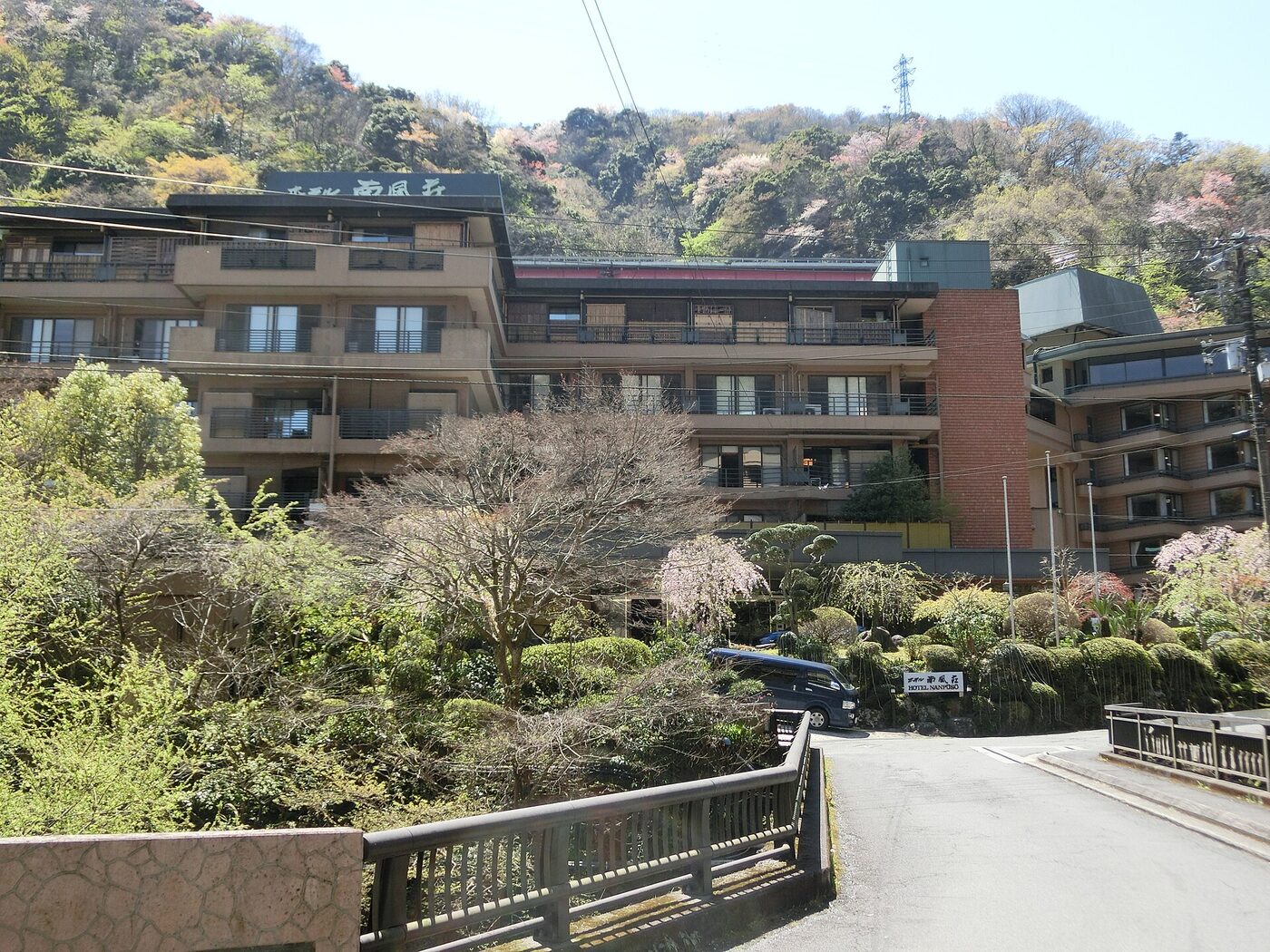
For a first-time onsen experience in Japan, both Nikko and Hakone offer unique charms. Hakone provides easier access from Tokyo and a classic scenic route with Mount Fuji views, while Nikko boasts UNESCO World Heritage sites and more remote, natural onsen experiences. Your choice depends on whether you prioritize convenience and iconic scenery or cultural immersion and natural seclusion.
When planning your first onsen trip in Japan, two destinations often come up: Nikko and Hakone. Both offer the quintessential hot spring experience, but they cater to slightly different preferences. Hakone, located in the Fuji-Hakone-Izu National Park, is renowned for its stunning natural beauty, including views of Mount Fuji on clear days, and a well-established tourist infrastructure. Nikko, a UNESCO World Heritage site, offers a blend of cultural treasures and serene natural landscapes, with onsen towns nestled in the mountains. Understanding their distinct offerings can help you choose the perfect spot for your inaugural soak.
What are the Travel Times and Costs from Tokyo?
Getting to your chosen onsen destination from Tokyo is a key consideration for any traveler. The journey itself can be part of the adventure, and understanding the travel times and potential costs will help you budget your time and money effectively.
Hakone is generally more accessible from Tokyo, especially from the Shinjuku area. The Odakyu Romancecar offers a direct and comfortable journey to Hakone-Yumoto, taking approximately 75 to 85 minutes [18]. This direct service is a significant advantage for those looking for a quick escape. While the JR Pass does not cover this specific train, the cost for a one-way ticket is around 2,500 JPY [18]. This makes it a straightforward option for many inbound tourists.
Nikko, while also reachable by train, typically requires a slightly longer travel time. Limited express trains from Tokyo's Shinjuku or Asakusa stations can take around two hours to reach Nikko [1, 2]. This extra travel time means you might need to dedicate a bit more of your day to reaching your onsen destination.
How Can I Save Money with Regional Passes?
To make your travel within these popular tourist areas more economical and convenient, consider purchasing regional passes. These passes often bundle transportation and sometimes even attraction tickets, offering significant savings compared to buying individual tickets.
For Hakone, the Hakone Free Pass is a highly recommended option [21, 23]. This pass provides unlimited travel on eight different modes of transportation within the Hakone area, including trains, cable cars, ropeways, buses, and even a scenic boat cruise on Lake Ashi [23]. It is available for 2 or 3 consecutive days and also offers discounts on various attractions [23]. This comprehensive pass allows you to explore Hakone's diverse attractions with ease and flexibility.
In Nikko, Tobu Railway offers several NIKKO PASS options designed to suit different travel plans [5]. For instance, the World Heritage Area Pass is a 2-day pass, while the All Area Pass covers a broader region for 4 days [4]. These passes typically include round-trip transport from Tokyo (Asakusa) and unlimited rides on local Tobu buses and trains within designated areas [5]. These passes are excellent for exploring both the cultural sites and the natural beauty of Nikko, ensuring you can reach various onsen locations and attractions without worrying about individual fares [6].
What Kind of Onsen Waters Can I Expect?
The quality and type of onsen water are central to the onsen experience. Both Nikko and Hakone are blessed with natural hot springs, but they offer different mineral compositions, which are believed to have various benefits for the body.
Nikko's onsen waters vary by location. Oku-Nikko Yumoto Onsen is known for its sulfur springs. These waters are described as mildly acidic to neutral and turn a milky-white color when exposed to the air [9]. They are also rich in metasilicic acid, a component often associated with skin beautification [9]. In contrast, Kinugawa Onsen offers alkaline simple springs that are clear and odorless, leaving the skin feeling silky smooth after bathing [9]. For those seeking a more remote experience, Okukinu Onsen Kaniyu offers seclusion amidst unspoiled nature, with its waters also known for their therapeutic properties [10].
Hakone also boasts a variety of onsen waters. Hakone-Yumoto, a historic hot spring town, is famous for its high-quality onsen, often featuring clear, odorless chloride springs [28]. These are typically alkaline, with a pH around 8.5, and are believed to aid in fatigue recovery and leave the skin feeling smooth [28]. Other areas within Hakone, such as Gora and Sengokuhara, are known for their milky sulfur waters, similar to those found in some parts of Nikko [29]. The diverse water types ensure a varied bathing experience across the region.
Are There Onsen Facilities That Welcome Tattoos?
Tattoo policies at Japanese onsen can be a concern for many international visitors, as traditionally, tattoos have been associated with organized crime and are often prohibited in public bathing areas. However, both Nikko and Hakone have made strides in becoming more tattoo-friendly.
In Nikko, Nikkowanoshiro Onsen Yashio and K's House Nikko are explicitly stated as being fully tattoo-friendly in all their communal bathing areas [12, 13]. This is a significant advantage for travelers with tattoos who wish to experience public onsen without the worry of being turned away or needing to cover up. It is always advisable to double-check individual facility policies, as rules can vary greatly across Japan [14].
Hakone also offers several options for tattooed travelers. Hakone Yuryo has lifted its tattoo-based bathing restrictions as of April 1, 2025, and provides 19 private open-air bath rooms, making it a suitable choice for tattooed individuals, couples, and families [33]. Tenzan Onsen has a more nuanced policy: tattooed visitors are allowed in communal baths if they are solo or part of a group with only one tattooed member, provided the tattoo is covered in common areas [31, 32]. These developments indicate a growing acceptance and a desire to welcome a wider range of guests to the onsen experience in Hakone [34].
What Unique Attractions and Scenery Can I Find?
Beyond the onsen itself, the surrounding attractions and natural beauty are crucial factors in choosing a destination. Both Nikko and Hakone offer a wealth of sights that can enhance your trip.
Nikko is most famous for its UNESCO World Heritage sites, most notably the opulent Toshogu Shrine, the mausoleum of Tokugawa Ieyasu [3]. The area also boasts stunning natural landscapes, including the beautiful Lake Chuzenji and the majestic Kegon Falls [3]. For those seeking a truly remote onsen experience, places like Okukinu Onsen Kaniyu are accessible by shuttle bus or a scenic walk, offering a chance to immerse yourself in unspoiled nature [10]. The blend of profound cultural history and breathtaking natural scenery makes Nikko a destination with deep layers to explore.
Hakone is renowned for its scenic "Hakone Round Course," which cleverly utilizes various modes of transport, including trains, cable cars, ropeways, and a pirate ship cruise on Lake Ashi [19]. This course offers spectacular views, and on clear days, you can catch breathtaking glimpses of Mount Fuji from certain vantage points, such as those near Hotel Green Plaza Hakone or Ryuguden Honkan [20]. Other key attractions include the volcanic hot springs of Owakudani and the art museums scattered throughout the region [19]. Hakone's appeal lies in its integrated approach to sightseeing, allowing visitors to experience a wide range of natural and man-made wonders seamlessly.
Can I Enjoy Onsen Without Staying Overnight?
For travelers who are short on time or prefer to focus on experiencing the onsen without an overnight stay, both Nikko and Hakone offer excellent day-use facilities. This flexibility allows you to incorporate a relaxing hot spring bath into a day trip or a longer itinerary.
In Hakone, numerous day-use onsen facilities are available for visitors who wish to enjoy a soak without booking a ryokan (traditional Japanese inn) [30, 35]. Admission fees for these facilities typically range from ¥1,000 to ¥2,500 [30]. This makes it very accessible to experience the therapeutic waters of Hakone, even if you are staying in a hotel in a different area or are on a tight schedule. You can easily find a day-use onsen to relax and rejuvenate after a day of sightseeing.
Similarly, Nikko also provides a good selection of day-use onsen options. While specific pricing can vary, these facilities allow you to experience the unique waters of Nikko, whether it's the milky sulfur springs of Oku-Nikko or the alkaline waters of Kinugawa [9]. These day-use options are perfect for those who want to sample the onsen culture of Nikko without the commitment of an overnight stay, offering a convenient way to relax and enjoy the local hot springs.
What are the Basic Onsen Etiquette Rules?
Understanding and adhering to Japanese onsen etiquette is crucial for a respectful and enjoyable experience. These customs are designed to maintain cleanliness and ensure everyone can relax.
First and foremost, onsen facilities in Japan are typically segregated by gender, meaning men and women bathe in separate areas [11]. Visitors are expected to bathe naked; swimsuits are generally not allowed in communal bathing pools [11]. Before entering any hot spring bath, it is essential to thoroughly wash your body at the provided shower stations. This is to ensure the bathwater remains clean for everyone [11]. Lastly, while you will usually be provided with small towels, these are for drying yourself after washing and for modesty when walking around, but they should not be dipped into the bathwater itself [11].
Which Destination is Better for a First Onsen Trip?
The "better" destination truly depends on your priorities. If convenience, a classic scenic route with potential Mount Fuji views, and a well-developed tourist infrastructure are paramount, Hakone might be your ideal first choice. The Hakone Free Pass makes exploration incredibly easy and cost-effective [21, 23].
However, if you are drawn to a destination rich in UNESCO World Heritage sites, appreciate more remote and natural onsen settings, and don't mind a slightly longer journey from Tokyo, Nikko offers a unique and culturally immersive experience [3, 10]. The availability of tattoo-friendly options in both locations is a significant plus for many travelers [12, 13, 33].
Ultimately, both Nikko and Hakone offer fantastic onsen experiences for first-time visitors. Consider what kind of atmosphere and attractions appeal most to you, and you're sure to have a memorable trip.
Where to stay in Hakone
Onsen hotels and ryokan in Hakone listed on Rakuten Travel, Japan's largest domestic booking site.
- 箱根湯本温泉 伊東園ホテル 箱根湯本 ★ 4.0 (625 reviews) · from ¥7,898
- 箱根湯本温泉 箱根パークス吉野 ★ 4.3 (1,505 reviews) · from ¥7,510
- 箱根湯本 温泉旅館「大和館」 ★ 4.8 (22 reviews) · from ¥9,900
Links open Rakuten Travel, which is in Japanese — your browser's built-in translation handles the booking pages well. We may earn a commission at no extra cost to you.
Sources
[1] visitnikko.jp — https://www.visitnikko.jp/plan-your-trip/getting-to-and-around-nikko/ [2] japan-experience.com — https://www.japan-experience.com/plan-your-trip/travel-by-train/japan-itineraries/how-to-get-from-tokyo-to-nikko [3] japan-guide.com — https://www.japan-guide.com/e/e3805.html [4] japan-experience.com — https://www.japan-experience.com/transportation/regional-passes/tokyo-mount-fuji/nikko-all-area-pass-4-days [5] tobu.co.jp — https://www.tobu.co.jp/en/ticket/nikko/city.html [6] visitnikko.jp — https://www.visitnikko.jp/stories/navigate-nikko-on-the-cheap-with-travel-passes/ [9] visitnikko.jp — https://www.visitnikko.jp/discover/hot-springs/ [10] bespoke-discovery.com — https://blog.bespoke-discovery.com/find-your-balance-in-nikko-onsen-a-refined-wellness-travel-guide-nurtured-by-world-heritage-and-nature [11] visitnikko.jp — https://www.visitnikko.jp/en/stories/unwind-with-a-hot-spring-getaway-to-nikko/ [12] tattoofriendlyonsen.com — https://www.tattoofriendlyonsen.com/onsen/nikkowanoshiro-onsen-yashio [13] tattoofriendlyonsen.com — https://www.tattoofriendlyonsen.com/onsen/ks-house-nikko [14] tattoofriendlyonsen.com — https://www.tattoofriendlyonsen.com/onsen-locations/nikko [18] todolist-japan.com — https://todolist-japan.com/en/tokyo-to-hakone/ [19] japan-guide.com — https://www.japan-guide.com/e/e5206.html [20] rakuten.com — https://travel.rakuten.com/contents/usa/en-us/guide/tokyo-to-hakone/ [21] japanrailpassnow.com — https://www.japanrailpassnow.com/regional-passes/hakone-free-pass/ [23] japan-experience.com — https://www.japan-experience.com/transportation/regional-passes/tokyo-mount-fuji/hakone-free-pass [28] hakone-japan.com — https://hakone-japan.com/things-to-do/onsen/an-onsen-guide/japanese-hot-springs-and-hakone-17-onsen/ [29] isitvisible.com — https://isitvisible.com/blog/hakone-onsen [30] onedayawaytravel.com — https://onedayawaytravel.com/hakone-day-trip-onsen/ [31] tattoofriendlyonsen.com — https://www.tattoofriendlyonsen.com/onsen/tenzan-onsen [32] reallyruraljapan.com — https://reallyruraljapan.com/tattoo-friendly [33] japaneseinnstay.com — https://www.japaneseinnstay.com/a-refined-guide-to-hakone-tattoo-friendly-onsen-stays-in-the-mountains-of-japan [34] tattoofriendlyonsen.com — https://www.tattoofriendlyonsen.com/onsen-locations/hakone-onsen [35] samuraicarjapanjdm.jp — https://samuraicarjapanjdm.jp/day-onsen-hakone/
Ready to plan your visit?
Prices and slots for popular baths change with the season — check today's availability before you build your itinerary.
Check availability on Klook