Ginzan vs. Nyuto: Which Idyllic Snow Onsen Village Captures Your Winter Dream?
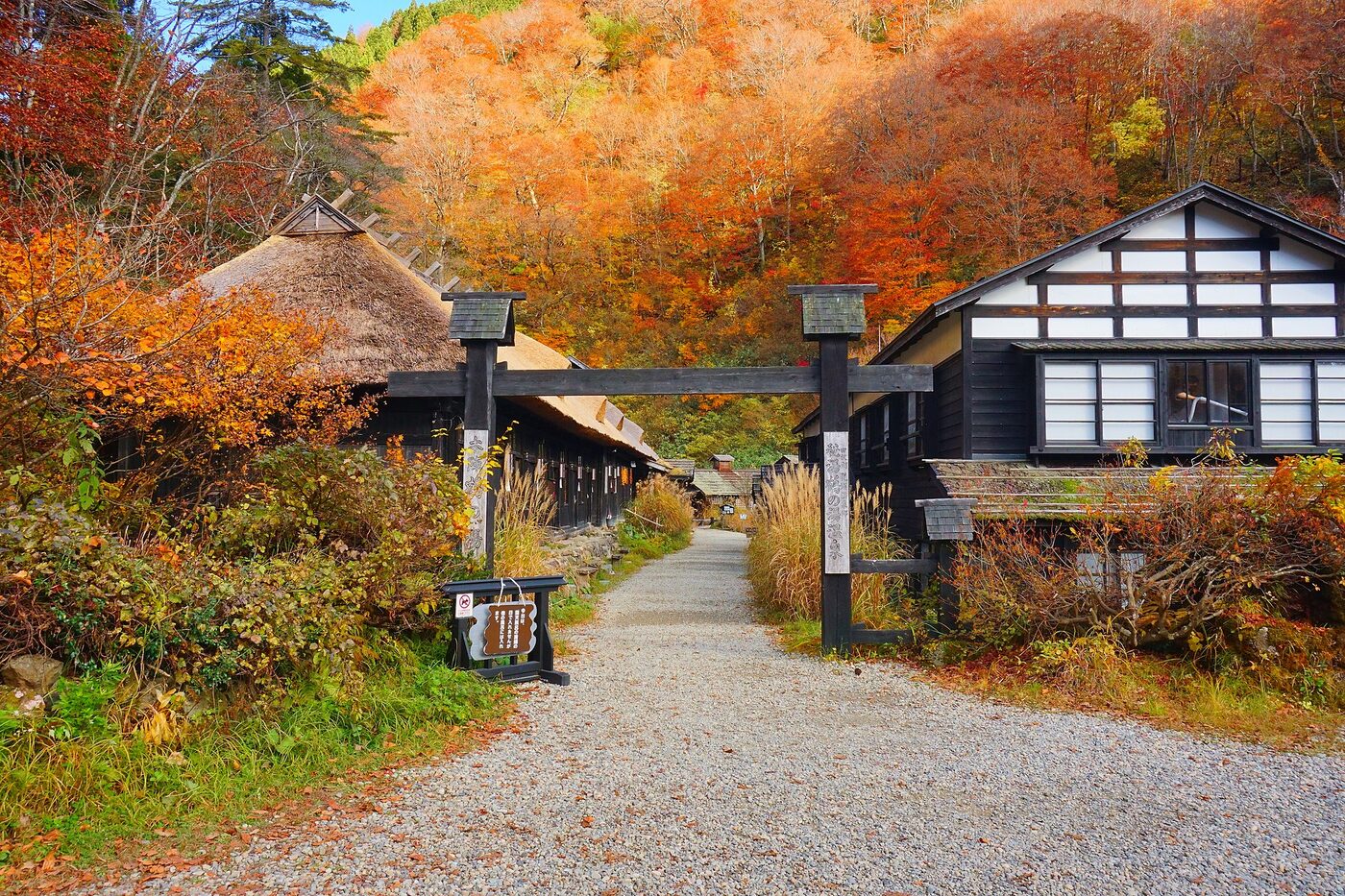
Choosing between Ginzan Onsen and Nyuto Onsen for a magical winter escape depends on your preference for historic charm versus rustic nature. Ginzan Onsen offers a picturesque, almost cinematic experience with its Taisho-era architecture and gas lamps, while Nyuto Onsen provides a more secluded, natural immersion with its seven distinct inns set amidst snowy forests.
Both destinations promise an unforgettable onsen experience blanketed in snow, but they cater to different travel styles. Ginzan Onsen is ideal for those seeking a visually stunning, nostalgic atmosphere, perfect for photography and a step back in time. Nyuto Onsen, on the other hand, appeals to travelers looking for a more authentic, natural setting with opportunities for onsen hopping and enjoying the tranquility of the mountains. Understanding their unique characteristics can help you pick the perfect snowy retreat.
What is Ginzan Onsen Like in Winter?
Ginzan Onsen is famous for its beautifully preserved Taisho-era (1912-1926) architecture, with many buildings constructed from dark wood and featuring ornate details. In winter, this historic street transforms into a fairy tale scene, especially after dark when traditional gas lamps illuminate the snow-covered village [3]. The visual appeal is immense, making it a popular spot for photographers and those seeking a romantic, nostalgic atmosphere.
Getting to Ginzan Onsen from Tokyo involves a scenic journey. You would take the JR Yamagata Shinkansen to Oishida Station, which takes approximately 3 hours and 20 minutes [1]. From Oishida Station, a bus ride of about 35-40 minutes will bring you directly to the onsen village [1]. The cost for this bus journey is around 1,000 yen one way [1]. For those flying into the region, the "Oishii Yamagata Airport Tourist Bus" offers a direct route from Yamagata Airport to Ginzan Onsen, taking about 75 minutes and costing 2,000 yen [1].
It's important to note that private cars are generally not permitted within the main village area of Ginzan Onsen. Visitors are directed to use designated parking lots located outside the town, such as Taisho Romankan, and then take a shuttle bus into the village [6]. During the winter months, specifically from mid-December to mid-March, traffic regulations are in place. Starting January 7, 2025, personal and rental vehicles will be restricted from entering the town [6]. Furthermore, from 5 PM to 8 PM in winter, non-overnight guests are required to purchase entry tickets to access the Ginzan Onsen town [6].
Accommodation in Ginzan Onsen during peak winter months (December, January, February) is highly sought after. It can be very difficult to secure reservations, often requiring bookings to be made at least a year in advance, especially for rooms situated along the picturesque main street [8].
Onsen etiquette is standard in Ginzan Onsen, meaning guests should wash thoroughly before entering the baths and avoid letting their towels touch the bathwater [11]. While many public baths have policies against visible tattoos, some ryokans in Ginzan Onsen, such as Ryokan Fujiya, are tattoo-friendly [4]. For those concerned about tattoos or seeking privacy, many establishments offer private onsen baths (kashikiri-buro).
What is Nyuto Onsen Like in Winter?
Nyuto Onsen is not a single village, but rather a collection of seven distinct onsen ryokan (traditional inns) spread across the mountainous landscape of eastern Akita Prefecture [16]. Each of these inns boasts its own unique character, water source, and bathing facilities, offering a diverse onsen experience within the serene setting of Towada-Hachimantai National Park [16]. The area is celebrated for its rustic charm, traditional inns, and the beauty of the surrounding pristine beech forests, which are particularly enchanting when covered in a thick blanket of snow [19].
Reaching Nyuto Onsen from Tokyo follows a similar Shinkansen route to Ginzan Onsen. You would take the Akita Shinkansen to Tazawako Station, a journey of about 3 hours [17]. From Tazawako Station, a bus will take you to Nyuto Onsen in approximately 45-50 minutes, costing around 950 yen [17].
Tsurunoyu Onsen stands out as the oldest and most famous inn within the Nyuto Onsen collection. Some of its buildings date back to the Edo Period (1603-1868) [16]. Tsurunoyu is particularly known for its iconic large, mixed-gender outdoor bath, which is a highlight for many visitors [16].
A unique feature of Nyuto Onsen is the "Yumeguri Pass." For overnight guests staying at any of the seven inns, this pass costs 2,500 yen and includes unlimited use of the Yumeguri-go shuttle bus and admission to the baths of all seven ryokan [20]. This allows for an enjoyable "bath-hopping" experience, sampling the different waters and atmospheres of each establishment. The Yumeguri-go shuttle bus circulates between the ryokan approximately every two hours. For day-trippers, a one-day pass for bath-hopping is available for 1,000 yen [20].
Day-use bathing hours and admission fees vary for each ryokan. For instance, Tsurunoyu Onsen offers day-trip bathing from 10:00 AM to 3:00 PM for 700 yen, though its open-air bath is closed on Mondays [17].
Winter is considered the most visually stunning season to visit Nyuto Onsen, with heavy snowfall creating a magical, snow-covered wonderland [19]. However, visitors should be prepared for cold temperatures and the possibility of travel disruptions due to the weather [19]. Reservations for overnight stays at Nyuto Onsen ryokan typically open up to 6 months in advance [22].
Many ryokan in Nyuto Onsen offer not only gender-segregated bathing areas but also mixed-gender pools, which can be a unique cultural experience [16].
Browse Nyuto Onsen ryokan & hotel deals on Expedia → Find Nyuto Onsen onsen tickets & tours on Klook →
Ginzan Onsen vs. Nyuto Onsen: A Winter Comparison
| Feature | Ginzan Onsen | Nyuto Onsen |
|---|---|---|
| Atmosphere | Nostalgic Taisho-era architecture, gas lamps, cinematic, picturesque. | Rustic, natural, secluded, surrounded by beech forests, tranquil. |
| Architecture | Predominantly traditional wooden buildings with Taisho-era design. | Collection of seven inns, some with Edo-period origins, varied rustic styles. |
| Key Attraction | The beautifully lit historic street at night, especially with snow. | Tsurunoyu Onsen's iconic mixed-gender outdoor bath and the "Yumeguri" experience. |
| Snow Experience | Snowfall enhances the fairy-tale, romantic ambiance of the historic street. | Snowfall creates a pristine, untouched winter wonderland in a natural setting. |
| Accessibility | Train to Oishida, then bus. Cars restricted in village during winter. | Train to Tazawako, then bus. Shuttle bus system between inns. |
| Booking Difficulty | Very difficult for winter, often requires booking a year in advance. | Can be booked up to 6 months in advance. |
| Tattoo Policy | Varies; some ryokans are tattoo-friendly, private baths available. | Generally more relaxed, but policies can vary by individual inn. |
| Onsen Hopping | Limited to public baths or private baths within your chosen ryokan. | Encouraged with the "Yumeguri Pass" covering all seven inns. |
| Day Trip Access | Entry tickets required for non-overnight guests in winter evenings. | Day-use bathing available at individual ryokan, with varying hours and fees. |
Which Snow Onsen Village is Right for You?
The choice between Ginzan Onsen and Nyuto Onsen hinges on what kind of winter wonderland you envision.
If you dream of stepping into a postcard-perfect scene, where historic wooden buildings are dusted with snow and illuminated by the warm glow of gas lamps, then Ginzan Onsen is likely your ideal destination. Its charm lies in its concentrated beauty and the feeling of being transported to a bygone era [3]. The visual spectacle, especially at night, is unparalleled, making it a photographer's paradise. However, be prepared for the challenge of securing accommodation, as its popularity means booking well in advance is essential, often up to a year ahead for prime winter dates [8]. Also, remember the traffic restrictions and evening entry fees for day visitors during the snowy season [6].
On the other hand, if your idea of a perfect winter escape involves a more immersive, natural experience, with a sense of rustic seclusion and the freedom to explore multiple unique hot springs, then Nyuto Onsen will captivate you. Its appeal is in its collection of seven distinct inns, each offering a different flavor of onsen and a connection to the surrounding natural beauty of the mountains and forests [16]. The "Yumeguri Pass" is a significant draw, allowing you to sample the diverse offerings of the area and truly experience the spirit of Nyuto Onsen [20]. While still popular, booking is generally more manageable, with reservations typically opening up to six months in advance [22]. The journey involves a train to Tazawako Station followed by a bus, and the inter-inn shuttle bus makes exploration convenient [17, 20].
Both destinations offer the quintessential Japanese winter onsen experience, but they provide distinct atmospheres. Ginzan Onsen offers a concentrated dose of historic beauty and romantic nostalgia, while Nyuto Onsen provides a broader, more natural, and exploratory onsen adventure.
Where to stay in Ginzan
Onsen hotels and ryokan in Ginzan listed on Rakuten Travel, Japan's largest domestic booking site.
- 銀山温泉 古勢起屋別館 ★ 4.3 (315 reviews) · from ¥34,650
- 銀山温泉 伝統の宿 古山閣 ★ 4.6 (314 reviews) · from ¥23,100
- 銀山温泉 仙峡の宿 銀山荘 ★ 4.4 (317 reviews) · from ¥24,778
Links open Rakuten Travel, which is in Japanese — your browser's built-in translation handles the booking pages well. We may earn a commission at no extra cost to you.
Sources
[1] japan-guide.com — https://www.japan-guide.com/e/e7975.html [3] japan.travel — https://www.japan.travel/en/japans-local-treasures/ginzan-onsen/ [4] tattoo-friendly.com — https://www.tattoo-friendly.com/articles/tattoo-friendly-onsens-in-ginzan-onsen [6] gofindorient.com — https://www.gofindorient.com/japan-guide/ginzan-onsen-in-winter.html [8] rakuten.com — https://travel.rakuten.com/contents/usa/en-us/guide/ginzan-onsen-guide/ [11] selfguidejapan.com — https://selfguidejapan.com/blog/japan-onsen-etiquette [16] japan.travel — https://www.japan.travel/en/japans-local-treasures/nyuto-onsenkyo-hot-spring-village/ [17] japan-guide.com — https://www.japan-guide.com/e/e3650.html [19] japan.travel — https://www.japan.travel/en/sports/snow/snow-travel/nyuto-onsenkyo/ [20] samurai-sauna-magazine.com — https://samurai-sauna-magazine.com/en/guides/nyuto-onsen-complete-guide [22] gaijinpot.com — https://blog.gaijinpot.com/nyuto-onsen/
Ready to plan your visit?
Prices and slots for popular baths change with the season — check today's availability before you build your itinerary.
Check availability on Klook