Experience a Traditional Japanese New Year at an Onsen Ryokan with Osechi
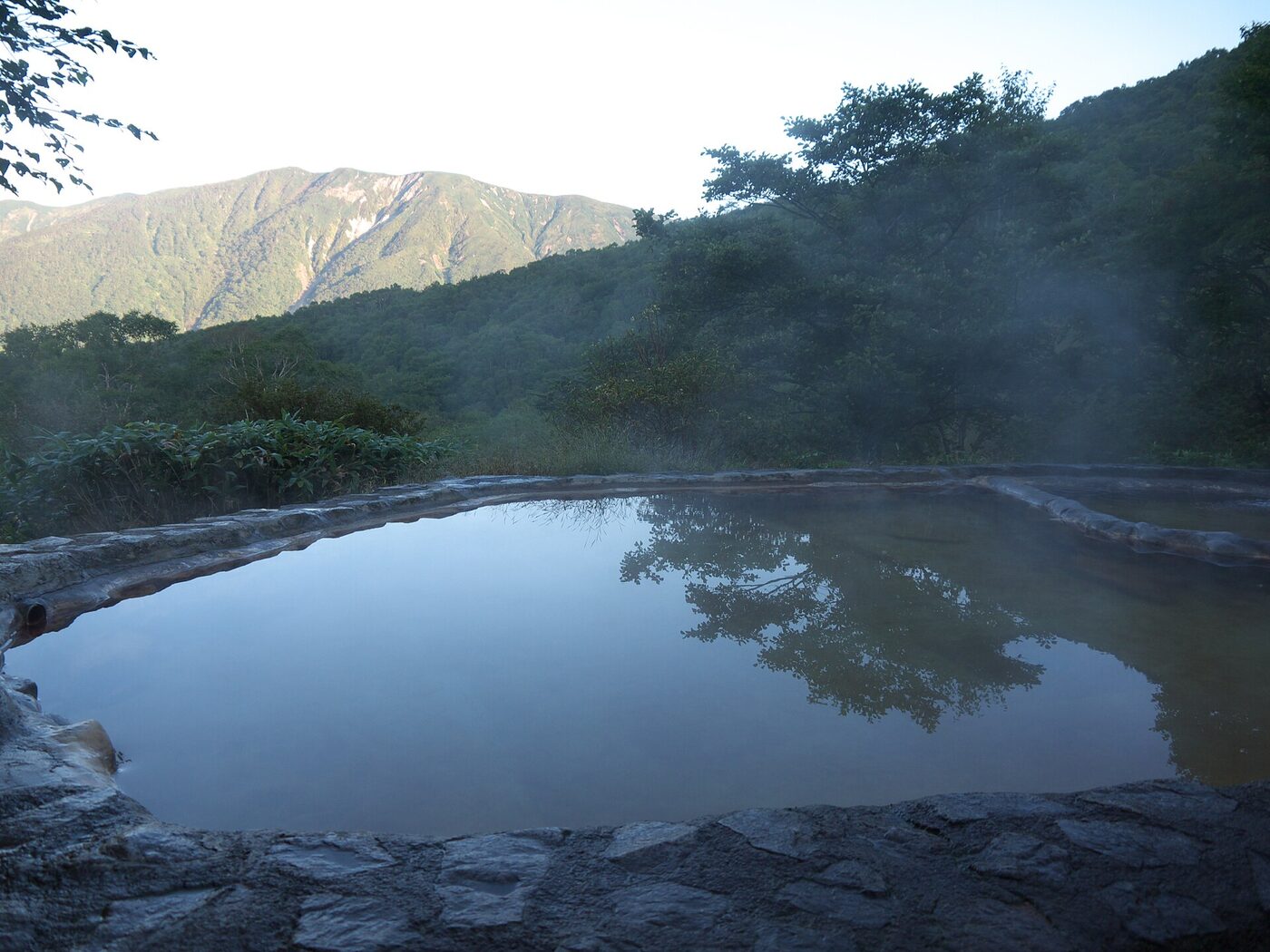
Planning a New Year's stay at a Japanese onsen ryokan? Expect a festive atmosphere with special traditional foods like osechi-ryori, unique activities, and the relaxing warmth of hot springs. Booking well in advance is essential for this popular travel period.
The New Year period in Japan, roughly from December 28th to January 3rd, is a deeply significant time for cultural celebrations and family gatherings. For inbound tourists seeking an authentic and memorable experience, staying at a traditional Japanese inn, or ryokan, during this time offers a unique glimpse into local customs. Many ryokans go above and beyond to create a special atmosphere, incorporating traditional New Year's foods, activities, and the soothing embrace of onsen (hot springs).
Why Choose an Onsen Ryokan for New Year's?
A ryokan stay during New Year's is more than just accommodation; it's an immersion into Japanese traditions. The allure lies in the combination of the tranquil onsen experience and the festive spirit of the season. Many ryokans offer special packages that include traditional New Year's meals and activities, making it a convenient and enriching way to celebrate.
What is Osechi-ryori?
Osechi-ryori is a collection of traditional Japanese New Year's foods, carefully prepared and beautifully presented in tiered lacquer boxes called jubako [10, 11]. Each dish within the osechi has a symbolic meaning, representing wishes for good health, prosperity, fertility, and happiness in the coming year [12]. For example, kuromame (black beans) symbolize health, while kazunoko (herring roe) represents wishes for many children [10]. These dishes are typically eaten from January 1st to 3rd.
What Else Can I Expect at a Ryokan During New Year's?
Beyond osechi-ryori, ryokans often curate a special New Year's program. This can include:
- Toshikoshi Soba: A bowl of buckwheat noodles eaten on New Year's Eve (December 31st) to bid farewell to the old year and welcome the new. It's believed to bring longevity and good fortune [5].
- Otoso: A spiced sake traditionally drunk on New Year's Day to ward off illness and bring good health for the year ahead [5].
- Mochi Pounding: Some ryokans may host mochitsuki, a traditional event where rice cakes are made by pounding steamed glutinous rice. Guests might even have the chance to participate [5].
- Hatsumode Arrangements: Ryokans can often assist guests in visiting local shrines or temples for hatsumode, the first shrine visit of the New Year, a significant Japanese custom.
Booking Your New Year's Ryokan Stay
When to Book
New Year's is one of the busiest travel periods in Japan, comparable to cherry blossom season or Golden Week [1, 2]. To secure a spot at a desirable ryokan, especially one known for its New Year's offerings, it is crucial to book well in advance. Reservations typically need to be made 3-6 months ahead of time [1, 3]. For highly sought-after or luxury properties, this window can extend to 6-9 months [1, 6].
Pricing Considerations
Due to the high demand and the special nature of the holiday, expect premium rates for ryokan stays during the New Year period. Prices can often be 1.5 to 2 times the normal nightly rate [7]. Some ryokans may also add specific surcharges for the New Year's Eve and New Year's Day period. For instance, some Hakone ryokans have been known to add surcharges of around ¥14,300 per person for stays between December 31st and January 3rd, on top of the regular nightly rate [7].
Onsen Experience During New Year's
The onsen facilities at most ryokans remain open throughout the New Year period, from December 31st to January 3rd [7]. However, it's worth noting that the operating hours, particularly for outdoor baths (rotenburo), might have slight variations on January 1st itself [7].
Onsen Etiquette
To ensure a pleasant and respectful onsen experience, familiarize yourself with the basic etiquette:
- Wash First: Always wash your body thoroughly at the provided shower stations before entering the communal bath [16, 19].
- Naked Bathing: Traditional onsen baths are gender-separated, and bathing is done naked. Swimsuits are generally not permitted [16, 21].
- Small Towel Use: The small towel provided is for washing and drying yourself, not for putting into the bath water. You can fold it and place it on the side of the bath or on your head [16, 23].
- Hair Management: Tie up long hair to prevent it from falling into the water [22].
Tattoo Policies
A significant point for many international travelers is the policy on tattoos. Historically, tattoos were associated with organized crime in Japan, and as a result, many onsen facilities (around 56% in a 2015 survey) still refuse entry to guests with visible tattoos in communal baths [15]. If you have tattoos and wish to guarantee unrestricted onsen access, booking a ryokan room with a private in-room bath (rotenburo) is the most reliable option [15, 17, 18].
What's Typically Included in a Ryokan Stay?
A standard ryokan stay usually encompasses several key elements:
- The Room: A traditional Japanese-style room, often with tatami mat flooring and futon bedding.
- Yukata: A casual cotton kimono, provided for guests to wear around the ryokan and to the onsen.
- Towels: Bath towels and hand towels are provided.
- Communal Onsen Access: Access to the ryokan's hot spring baths.
- Green Tea: Often, a welcome amenity of green tea is offered in your room.
- Meals (if booked): If you opt for a meal plan, this typically includes a multi-course kaiseki dinner (a traditional, artistic Japanese haute cuisine meal) and a traditional Japanese breakfast.
Dietary Restrictions and Allergies
It is absolutely crucial to inform the ryokan about any allergies or dietary restrictions when you make your reservation, not at mealtime [8]. Japanese cuisine is often complex, and chefs need sufficient notice to prepare safe and suitable alternatives.
Ryokan Schedules and Other Considerations
Daily Schedule
Ryokans operate on a structured schedule. While specific times can vary, a typical day looks like this:
- Check-in: Usually around 3:00 PM.
- Dinner: Often served between 6:00 PM and 7:00 PM.
- Check-out: Typically by 10:00 AM.
Tipping
Tipping is not customary or expected in Japan, including at ryokans [9]. The exceptional service you receive is already factored into the price of your stay.
Comparing New Year's Ryokan Options
Here’s a general comparison of what you might find when looking for a New Year's ryokan stay:
| Feature | Standard Ryokan Package | Premium New Year's Package |
|---|---|---|
| Osechi-ryori | May or may not be included, often an add-on. | Almost always included, often a highlight of the package. |
| New Year Activities | Limited or standard offerings. | Special events like Toshikoshi soba, Otoso, mochi pounding. |
| Onsen Access | Standard access to communal baths. | Standard access, sometimes with special New Year's bathing rituals. |
| Room with Private Onsen | Available as an upgrade, subject to availability. | Highly recommended for tattoo-friendly access, books very fast. |
| Price | Standard seasonal rates. | Premium rates, often 1.5x-2x normal, with potential surcharges. |
| Booking Window | 3-6 months in advance. | 6-9 months in advance for popular properties. |
Browse Hakone ryokan & hotel deals on Expedia → Browse onsen ryokan stays across Japan on Expedia → Find onsen experiences across Japan on Klook →
Staying at an onsen ryokan for New Year's in Japan is a deeply rewarding experience, offering a blend of relaxation, cultural immersion, and festive celebration. By understanding what to expect and booking well in advance, you can ensure a truly unforgettable start to your year.
Popular onsen towns to stay in
One stay in each of three classic onsen towns, listed on Rakuten Travel, Japan's largest domestic booking site.
- 箱根湯本温泉 伊東園ホテル 箱根湯本 Hakone · ★ 4.0 (625 reviews) · from ¥7,898
- 草津温泉 5種貸切風呂の宿 湯宿 きんだい Kusatsu · ★ 4.4 (532 reviews) · from ¥13,000
- 城崎温泉 しののめ荘 Kinosaki · ★ 3.8 (122 reviews) · from ¥11,900
Links open Rakuten Travel, which is in Japanese — your browser's built-in translation handles the booking pages well. We may earn a commission at no extra cost to you.
Sources
[1] japannaturestays.com — https://japannaturestays.com/blog/when-to-book-ryokan-japan/ [2] japanryokanguide.com — https://www.japanryokanguide.com/en/blog/best-season-ryokan [3] japanryokanguide.com — https://www.japanryokanguide.com/en/blog/when-to-book-ryokan-japan [5] japanryokanguide.com — https://www.japanryokanguide.com/en/blog/best-ryokan-for-new-year-japan [6] hitotoki-travel.com — https://hitotoki-travel.com/blog/when-to-book-luxury-trip-japan/ [7] onsenvista.com — https://onsenvista.com/guides/christmas-and-new-year-onsen-trip-japan-what/ [8] japanryokanguide.com — https://www.japanryokanguide.com/en/blog/ryokan-booking-tips [9] thestandardjapan.com — https://thestandardjapan.com/travel/ryokan-stay-guide-japan [10] kanpai-japan.com — https://www.kanpai-japan.com/japan-travel-guide/osechi-ryori [11] wikipedia.org — https://en.wikipedia.org/wiki/Osechi [12] cotoacademy.com — https://cotoacademy.com/osechi-ryouri/ [15] japanryokanguide.com — https://www.japanryokanguide.com/en/blog/tattoo-friendly-ryokans [16] selfguidejapan.com — https://selfguidejapan.com/blog/japan-onsen-etiquette [17] kashiwaya.org — https://www.kashiwaya.org/e/magazine/onsen/tattoos.html [18] japan-dev.com — https://japan-dev.com/blog/tattoo-friendly-onsen [19] thejapanode.com — https://thejapanode.com/guides/japan-onsen-etiquette-tattoo-guide [21] japan.travel — https://www.japan.travel/en/ph/story/onsen-etiquette/ [22] banyantree.com — https://www.banyantree.com/japan/kyoto/experiences/onsen-and-hot-spring-etiquette-in-japan [23] marriott.com — https://traveler.marriott.com/asia-pacific/onsen-japan-etiquette-for-first-timers/
Ready to plan your visit?
Prices and slots for popular baths change with the season — check today's availability before you build your itinerary.
Check availability on Klook