Your Essential Onsen Day Trip Checklist: What to Bring for a Relaxing Japanese Bath
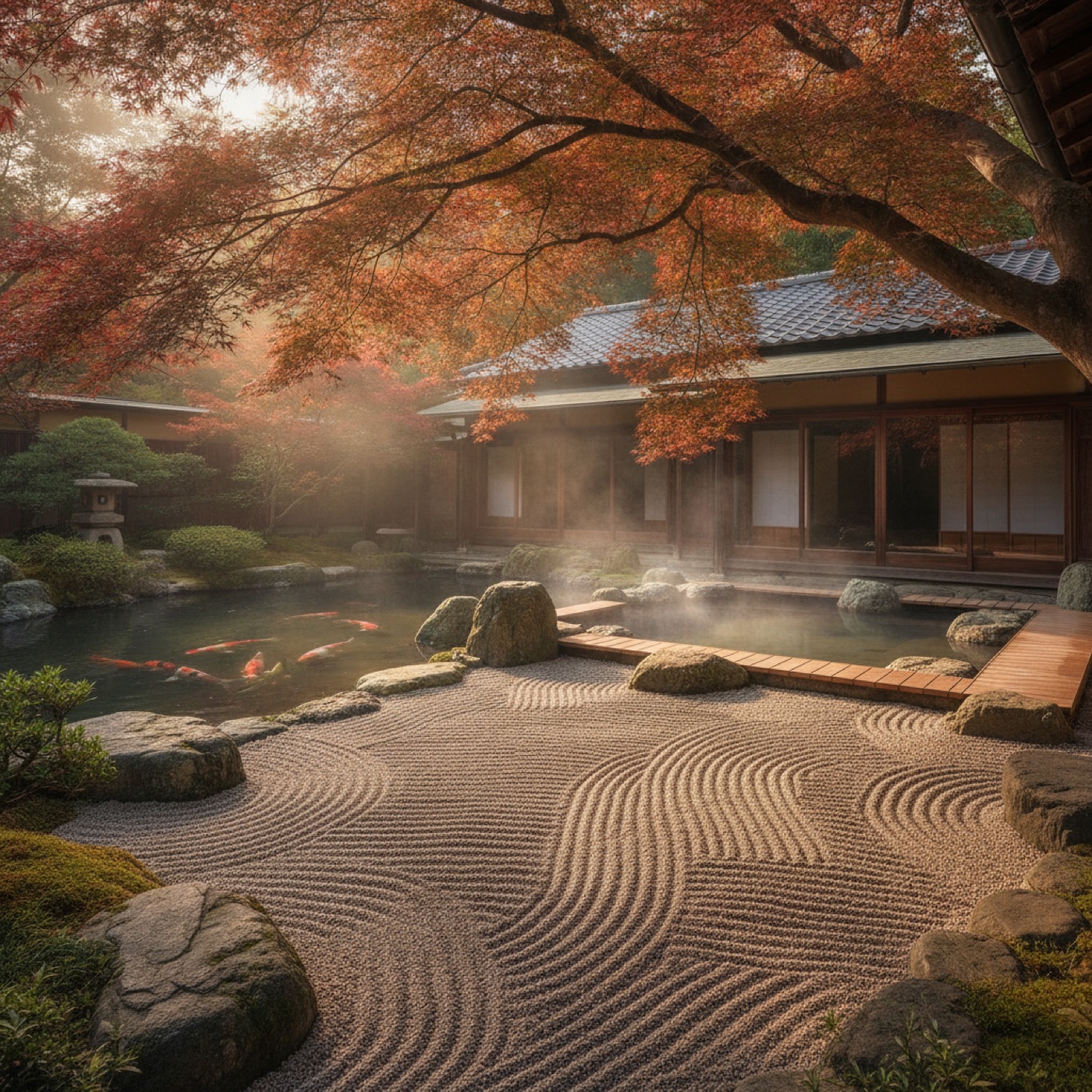
Planning a day trip to a Japanese onsen is a wonderful way to experience relaxation and culture. To ensure a smooth and enjoyable visit, packing the right items is key. This checklist covers the essentials and helpful extras for your onsen adventure, from bathing necessities to personal comfort items.
What are the absolute must-haves for an onsen day trip?
For a typical onsen day trip, the most important items to bring are those related to the bathing process itself. This includes a small towel for washing and modesty, and potentially your own full-size towel if you prefer not to rent one. Most onsen facilities provide basic amenities like soap and shampoo, but bringing your preferred brands can enhance your experience. Remember that onsen bathing requires full nudity, and swimsuits are not permitted for hygiene reasons [4, 6].
Essential Items for Your Onsen Visit
Here's a breakdown of what you absolutely need to bring:
- Small Modesty Towel: This is crucial for washing yourself before entering the bath and for discreetly covering yourself when walking around the changing areas. Many onsen provide these, but bringing your own ensures you have one [10].
- Full-Size Bath Towel: While many onsen offer towels for rent, having your own means you won't incur extra charges and can use it to dry off thoroughly after your soak [10].
- Washcloth/Small Towel for Washing: This is used at the shower stations to lather up soap and scrub your body before entering the main onsen bath. This is a fundamental part of onsen etiquette [6, 7].
- Change of Clothes: You'll need something comfortable to wear after your bath.
Understanding Onsen Etiquette: Key Rules to Follow
Respecting onsen etiquette is vital for a pleasant experience for everyone. The core principles revolve around cleanliness and consideration for others.
- Wash Before You Soak: This is the most important rule. You must thoroughly wash and rinse your entire body at the provided shower stations before entering any of the hot spring baths [6, 7]. This ensures the bathwater remains clean for all users.
- Nudity is Standard: Onsen bathing requires full nudity. Swimsuits are not allowed in the bathing areas for hygiene reasons [4, 6].
- Towel Placement: Keep your small modesty towel out of the main onsen water. You can place it on your head or on the side of the bath while you soak [6].
- Hair Management: If you have long hair, tie it up to prevent it from falling into the water. This is another measure to maintain water cleanliness [6].
- Jewelry Caution: For certain types of onsen, like those with sulfur springs, it's advisable to remove all jewelry. The minerals can discolor precious metals [17].
- Respectful Atmosphere: Maintain a quiet and respectful environment. Avoid splashing water or engaging in loud conversations that might disturb other bathers [8].
What else can enhance your onsen day trip experience?
Beyond the absolute essentials, several items can make your onsen day trip even more comfortable and enjoyable. These include personal care items, something to do while relaxing, and items for specific needs.
Recommended Items for Added Comfort
- Toiletries: While most onsen provide basic soap, shampoo, and conditioner, you might prefer to bring your own favorite brands. This is especially true if you have specific hair or skin needs [10].
- Hair Ties or Clips: Essential for those with longer hair to keep it out of the water [6].
- Water Bottle: Staying hydrated is important, especially after soaking in hot water. Many onsen have water fountains or vending machines, but having your own bottle is convenient [11].
- Small Bag or Pouch: To keep your valuables, such as your phone and wallet, secure in the changing room.
- Book or Magazine: If you plan to relax in a common area before or after your bath, a good read can be a pleasant companion.
- Snacks: While some onsen have restaurants or cafes, having a small, easy-to-eat snack can be useful, especially if you're on a tight schedule.
- Moisturizer or Lotion: Hot spring water can sometimes leave skin feeling dry. Applying moisturizer after your bath can help keep your skin soft.
- Hairbrush or Comb: For tidying your hair after your onsen experience.
- Plastic Bag for Wet Items: Useful for storing your wet towels or swimsuit (if you're visiting a facility that allows them in separate areas, though not in the baths themselves).
Considering Tattoos: Navigating Onsen Policies
Tattoos in Japan have historically been associated with organized crime, leading many public onsen to prohibit visible tattoos [2]. However, policies are evolving, and some establishments are becoming more accepting.
- Check Policies in Advance: If you have tattoos, it's crucial to research the specific onsen's policy beforehand. Many onsen still prohibit visible tattoos [2, 3].
- Tattoo Cover Stickers: For small tattoos, tattoo cover stickers are an option at some public onsens, though their acceptance varies [3, 5].
- Private Onsen or Rooms: The most reliable option for tattooed individuals is to book a private onsen or a room with a private open-air bath. These usually do not have tattoo restrictions [2, 3]. Private onsen often require reservations and may have additional fees, typically ranging from JPY 2,000 to 5,000 per session [9].
Browse onsen ryokan stays across Japan on Expedia →
What about optional items that can elevate your day?
For those who want to make their onsen day trip extra special, a few optional items can add significant value to the experience. These focus on extending relaxation and enjoying the surroundings.
Optional Items for an Enhanced Experience
- Yukata or Robe: Some onsen facilities provide yukata (light cotton kimonos) for guests to wear around the facility, especially if there are relaxation areas or dining options. If not provided, and you enjoy the feeling, you might consider bringing a light robe.
- Waterproof Phone Case: If you wish to take photos (where permitted) or want to keep your phone safe from moisture, a waterproof case is a good idea. Always check onsen rules regarding phone usage in bathing areas.
- Small Amount of Cash: While many places accept cards, some smaller onsen or rental services might prefer cash. Onsen entrance fees typically range from JPY 300 to 2000 [1].
- A Good Book or Journal: For extended relaxation in a lounge area.
- Travel-Sized Hair Dryer: If the onsen's changing room doesn't have one, or if you prefer to use your own.
Understanding Onsen Types and Their Benefits
Japan boasts 10 classified types of onsen spring water, each with unique mineral compositions and potential benefits [15, 16]. For example, Chloride springs are known for retaining heat, while Simple Alkaline springs are said to make skin feel smooth [15]. Understanding these can add another layer of appreciation to your soak.
Packing Checklist Summary: Your Onsen Day Trip Planner
To help you organize, here's a consolidated checklist. Remember that most onsen facilities offer towels for rent, and many provide basic toiletries.
| Category | Essential Items | Recommended Items | Optional Items |
|---|---|---|---|
| Bathing | Small modesty towel, Full-size towel (optional) | Washcloth for washing | |
| Personal Care | Change of clothes | Toiletries (shampoo, soap, etc.), Hair ties | Moisturizer, Hairbrush, Travel hair dryer |
| Comfort & Hydration | Water bottle | Book/Magazine, Snacks, Light robe/Yukata | |
| Practicalities | Small bag for valuables | Waterproof phone case, Cash | |
| Tattoo Specific | (Check policy) Tattoo cover stickers (for small tats) | (If applicable) Private onsen booking |
Find onsen experiences across Japan on Klook →
Final Considerations for Your Visit
- Check Opening Hours and Fees: Onsen entrance fees typically range from JPY 300 to 2000 [1]. It's always wise to check the specific onsen's operating hours and admission fees before you go.
- Transportation: Plan how you will get to and from the onsen. Many are accessible by public transport, while others might require a car or taxi.
- Relax and Enjoy: The most important thing to bring is a relaxed attitude. Onsen are places for rejuvenation and peace. Take your time, soak in the healing waters, and enjoy the unique Japanese experience.
Browse onsen ryokan stays across Japan on Expedia →
Popular onsen towns to stay in
One stay in each of three classic onsen towns, listed on Rakuten Travel, Japan's largest domestic booking site.
- 箱根湯本温泉 伊東園ホテル 箱根湯本 Hakone · ★ 4.0 (625 reviews) · from ¥7,898
- 草津温泉 5種貸切風呂の宿 湯宿 きんだい Kusatsu · ★ 4.4 (532 reviews) · from ¥13,000
- 城崎温泉 しののめ荘 Kinosaki · ★ 3.8 (122 reviews) · from ¥11,900
Links open Rakuten Travel, which is in Japanese — your browser's built-in translation handles the booking pages well. We may earn a commission at no extra cost to you.
Sources
[1] jal.co.jp — https://www.jal.co.jp/kr/en/guide-to-japan/plan-your-trip/tips/things-to-know-before-onsen-visit.html [2] kashiwaya.org — https://www.kashiwaya.org/e/magazine/onsen/tattoos.html [3] acloset.app — https://www.acloset.app/magazine/japan-onsen-tattoo-policy-and-bathing-etiquette-what-travel/ [4] japan.travel — https://www.japan.travel/en/uk/inspiration/onsen-hot-springs-on-tattoos-and-etiquette/ [5] tangledupinfood.com — https://www.tangledupinfood.com/using-tattoo-seals-to-visit-a-japanese-onsen [6] japan.travel — https://www.japan.travel/en/guide/how-to-best-enjoy-onsen/ [7] banyantree.com — https://www.banyantree.com/japan/kyoto/experiences/onsen-and-hot-spring-etiquette-in-japan [8] kashiwaya.org — https://www.kashiwaya.org/e/magazine/onsen/rules2.html [9] japan.travel — https://www.japan.travel/en/ph/story/onsen-etiquette/ [10] oita-tourism.com — https://oita-tourism.com/en/onsenStories/onsen-etiquette [11] hakone-japan.com — https://hakone-japan.com/things-to-do/onsen/how-to-enjoy-onsen/how-to-onsen-in-japan/ [15] spa.or.jp — https://www.spa.or.jp/en/spring-quality/ [16] beppu-jp.com — https://enjoyonsen.city.beppu-jp.com/onsen/the-10-types-of-onsen-in-japan-and-their-benefits-discover-the-charm-of-beppus-hot-springs/ [17] odynovotours.com — https://www.odynovotours.com/japan/japanese-hot-springs-types.html
Ready to plan your visit?
Prices and slots for popular baths change with the season — check today's availability before you build your itinerary.
Check availability on Klook