Embrace the Winter Chill: Your Guide to Japanese Onsen Comfort and Etiquette
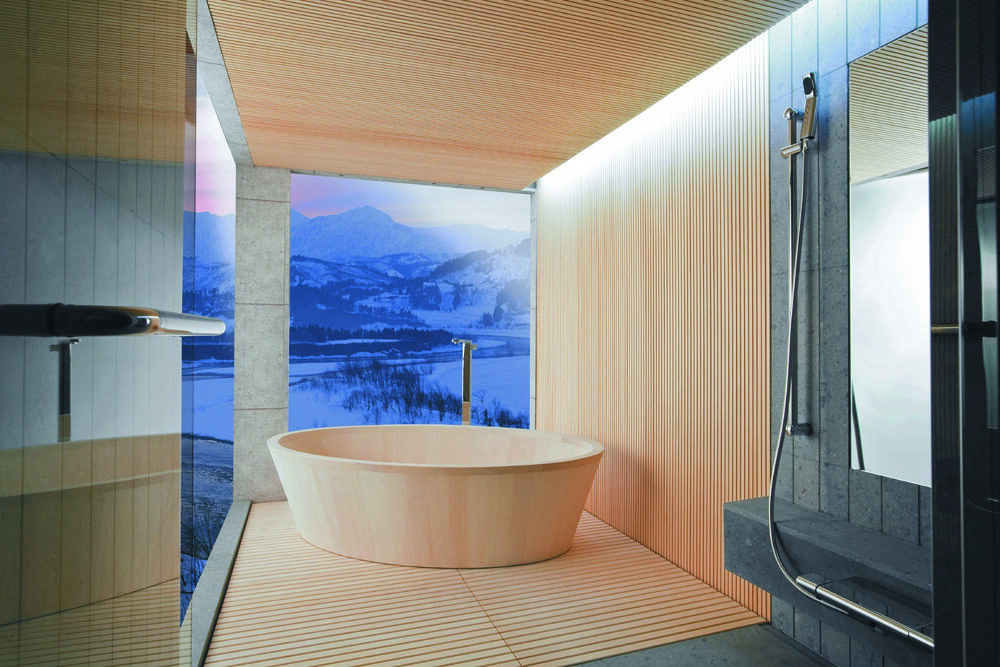
Visiting a Japanese onsen in winter is a magical experience, offering a warm escape from the cold. To fully enjoy it, knowing what to wear before and after your bath, and understanding onsen etiquette, is key. You'll need warm clothing for the journey to and from the bath, and to be prepared for potentially unheated changing rooms, while inside the onsen itself, you will be completely nude [1, 2].
The core of the onsen experience is the bathing itself, which is a ritual of relaxation and cleansing. The water is naturally hot, typically ranging from 38-44°C [10], providing a soothing contrast to the crisp winter air. This guide will help you navigate the practicalities, from dressing for the elements to understanding the customs within the bathing area.
What to Wear to Stay Warm in Winter Onsen Towns
When you're not in the bath, staying warm in Japan's winter climate is essential, especially when traveling between your accommodation and the onsen. The key is layering. Start with a thermal base layer that wicks away moisture. Over this, add a warm mid-layer such as a fleece or a thick knit sweater. Your outer layer should be a windproof jacket to protect you from the elements [1, 4].
Don't forget your extremities. Warm gloves, a scarf, and a hat are crucial for keeping heat in. For your feet, wear warm socks. Many people find disposable pocket warmers, known as Kairo, incredibly useful for adding extra warmth to pockets or gloves on particularly cold days [1, 3].
When choosing footwear, prioritize safety. Winter paths around onsen towns can be wet, icy, or snowy. Shoes with reliable grip are a must to prevent slips and falls [1].
What to Wear Inside the Onsen (and What Not To)
This is a crucial point for first-time visitors: in standard Japanese onsen facilities, bathing is done completely nude. Swimwear, underwear, or any other clothing is strictly prohibited in the communal bath areas [5, 6]. You will typically be provided with a small modesty towel, known as a tenugui. This towel is for washing yourself and can be used to cover yourself discreetly when walking to and from the bathing area, but it should never touch the bath water itself [7, 9].
Preparing for Your Onsen Bath: The Cleansing Ritual
Before you even dip a toe into the onsen, a thorough cleansing is required. Each bathing area has a row of shower stations. You must wash your entire body completely with soap and rinse off all the lather before entering the main bath [5, 8]. This is a fundamental part of onsen etiquette, ensuring the communal bath water remains clean for everyone.
Onsen Etiquette: Respecting the Tradition
Onsen are places of relaxation and quiet contemplation. Maintaining a peaceful atmosphere is important. Keep your voice low, avoid splashing, and refrain from diving or swimming [5, 9].
The small modesty towel (tenugui) has a specific purpose. You can place it on your head while you bathe, or set it on the edge of the bath. However, it must not be allowed to touch the bath water [7, 9].
Staying Hydrated and Mindful of Slippery Surfaces
The hot water of the onsen can be dehydrating, especially in winter. It's important to drink plenty of water both before and after your bath to stay hydrated [10]. Be aware that the mineral-rich water, along with potential snow or ice, can make floors slippery. Exercise caution, particularly when moving between indoor and outdoor bathing areas [1, 14].
Tattoos and Onsen: Navigating the Rules
Traditionally, many onsen facilities have restricted entry for individuals with tattoos, viewing them as a symbol of organized crime. However, this is changing, and a growing number of onsen are becoming tattoo-friendly [17, 18].
If you have tattoos, it's advisable to check the specific policy of the onsen you plan to visit. Some tattoo-friendly establishments may require you to cover your tattoos with waterproof patches [17].
Private Onsen: A Stress-Free Option
For those who prefer more privacy or have concerns about tattoo policies, private onsen baths, often called kashikiri-buro or kazokuburo (family baths), are an excellent alternative [22, 23]. These private rooms offer a personal bathing experience without the communal rules, making them a stress-free option for everyone [19, 22].
Understanding Onsen Costs
The cost of visiting a public onsen is generally quite affordable. Entrance fees typically range from ¥400 to ¥800 [13]. However, some more luxurious or popular onsen can charge up to ¥2000. If you don't bring your own towel, you can usually rent one for an additional fee, often around ¥300 [13].
Booking Your Winter Onsen Getaway
Popular winter onsen destinations, especially those offering the unique experience of "Yukimi-buro" (snow-viewing baths) where you can soak in hot water surrounded by falling snow [16, 27], can get very busy. If you are planning a trip during peak times, such as the New Year holiday period (roughly December 28 to January 3), it is highly recommended to book your accommodation, particularly ryokans (traditional Japanese inns), six months to a year in advance [15].
What to Wear After Your Onsen Bath
After your revitalizing onsen soak, you'll want to stay warm as you transition back to your accommodation. Japanese buildings, especially older ones or traditional ryokans, may not have central heating in every room. Therefore, wearing warm layers is essential [2].
This means putting on the same warm clothing you wore to get to the onsen: thermal base layers, a warm mid-layer, and your windproof outer jacket. Don't forget your gloves, scarf, and hat. This will help you retain the warmth from the onsen and prevent catching a chill in the cooler indoor environments [2, 3].
The Unique Charm of "Yukimi-buro"
One of the most enchanting aspects of visiting an onsen in winter is the opportunity to experience "Yukimi-buro," or snow-viewing baths [16]. These are typically outdoor baths where you can relax in the steaming hot water while watching snow fall around you, creating a truly serene and picturesque atmosphere [16, 27]. It's a quintessential Japanese winter experience that combines the therapeutic benefits of onsen with the beauty of a snowy landscape [25, 28].
Browse onsen ryokan stays across Japan on Expedia → Find onsen experiences across Japan on Klook → Browse onsen ryokan stays across Japan on Expedia →
Onsen Prices at a Glance
| Feature | Typical Range | Notes |
|---|---|---|
| Public Onsen Entrance | ¥400 - ¥800 | Can be up to ¥2000 for some locations |
| Towel Rental | ~¥300 | If you don't bring your own |
| Private Onsen (per hour) | Varies widely | Generally more expensive than public baths |
Frequently Asked Questions About Winter Onsen
Do I need to wear a swimsuit in a Japanese onsen?
No, swimwear and underwear are not permitted in standard communal onsen baths. You will bathe completely nude [5, 6].
Can I take my modesty towel into the bath water?
No, the small modesty towel (tenugui) should not touch the bath water. Place it on your head or the side of the bath [7, 9].
Are there onsen that allow tattoos?
Yes, many onsen are becoming tattoo-friendly. However, some may still require tattoos to be covered with waterproof patches [17, 18]. Private onsen are also a good option for tattooed individuals [22, 23].
How do I stay warm after leaving the onsen in winter?
Wear warm, layered clothing, including thermal base layers, a fleece or knit sweater, a windproof jacket, gloves, a scarf, and a hat. Japanese buildings may not have central heating [2, 3].
What are "Yukimi-buro"?
"Yukimi-buro" are snow-viewing baths, typically outdoor onsen where you can relax and enjoy the scenery of falling snow while soaking in the hot water [16, 27].
Popular onsen towns to stay in
One stay in each of three classic onsen towns, listed on Rakuten Travel, Japan's largest domestic booking site.
- 箱根湯本温泉 伊東園ホテル 箱根湯本 Hakone · ★ 4.0 (625 reviews) · from ¥7,898
- 草津温泉 5種貸切風呂の宿 湯宿 きんだい Kusatsu · ★ 4.4 (532 reviews) · from ¥13,000
- 城崎温泉 しののめ荘 Kinosaki · ★ 3.8 (122 reviews) · from ¥11,900
Links open Rakuten Travel, which is in Japanese — your browser's built-in translation handles the booking pages well. We may earn a commission at no extra cost to you.
Sources
[1] hotspringjp.com — https://hotspringjp.com/en/winter-onsen-packing [2] inakahouse.com — https://www.inakahouse.com/30-ways-to-get-warm-and-stay-warm-during-winter-in-japan/ [3] ikedaspa.com — https://www.ikedaspa.com/blog/5-japanese-ways-to-keep-the-body-warm-in-winter/ [4] japan.travel — https://www.japan.travel/en/blog/keeping-warm-like-a-local-in-japan/ [5] japow.travel — https://japow.travel/guides/japan-ski-onsen-etiquette [6] hokkaido-adventures.com — https://hokkaido-adventures.com/onsen-etiquette-guide/ [7] coalitionsnow.com — https://www.coalitionsnow.com/blogs/shoptalk/a-guide-to-japanese-onsen-etiquette-what-to-expect-do-and-avoid [8] japanroadtrip.com — https://japanroadtrip.com/en/vantime/47448 [9] ryokanwanderings.com — https://www.ryokanwanderings.com/japan-travel-tips/onsen-etiquette-guide [10] tomogo-travel.com — https://www.tomogo-travel.com/en/blog/a-first-timers-guide-to-japanese-hot-spring-etiquettes [13] morethantokyo.com — https://www.morethantokyo.com/japanese-onsen-tips/ [14] marriott.com — https://traveler.marriott.com/asia-pacific/onsen-japan-etiquette-for-first-timers/ [15] yamatonoyu.com — https://yamatonoyu.com/en/article/435 [16] samurai-sauna-magazine.com — https://samurai-sauna-magazine.com/en/guides/yukimi-buro-winter-onsen [17] tattoofriendlyonsen.com — https://www.tattoofriendlyonsen.com/guides/can-you-visit-onsen-in-japan-with-tattoos [18] thejapanode.com — https://thejapanode.com/guides/japan-onsen-etiquette-tattoo-guide [19] kashiwaya.org — https://www.kashiwaya.org/e/magazine/onsen/tattoos.html [22] toriipost.com — https://toriipost.com/guides/private-onsen-japan-book-in-english/ [23] ryokanretreat.com — https://ryokanretreat.com/private-onsen-in-japan/ [25] japanryokanguide.com — https://www.japanryokanguide.com/en/blog/best-winter-onsen [27] japan.travel — https://www.japan.travel/en/japans-local-treasures/snow-viewing-baths-2020/ [28] untold-japan.travel — https://www.untold-japan.travel/post/best-onsen-japan-winter
Ready to plan your visit?
Prices and slots for popular baths change with the season — check today's availability before you build your itinerary.
Check availability on Klook