Is a Kusatsu Onsen Day Trip From Tokyo Truly Worth the Journey?
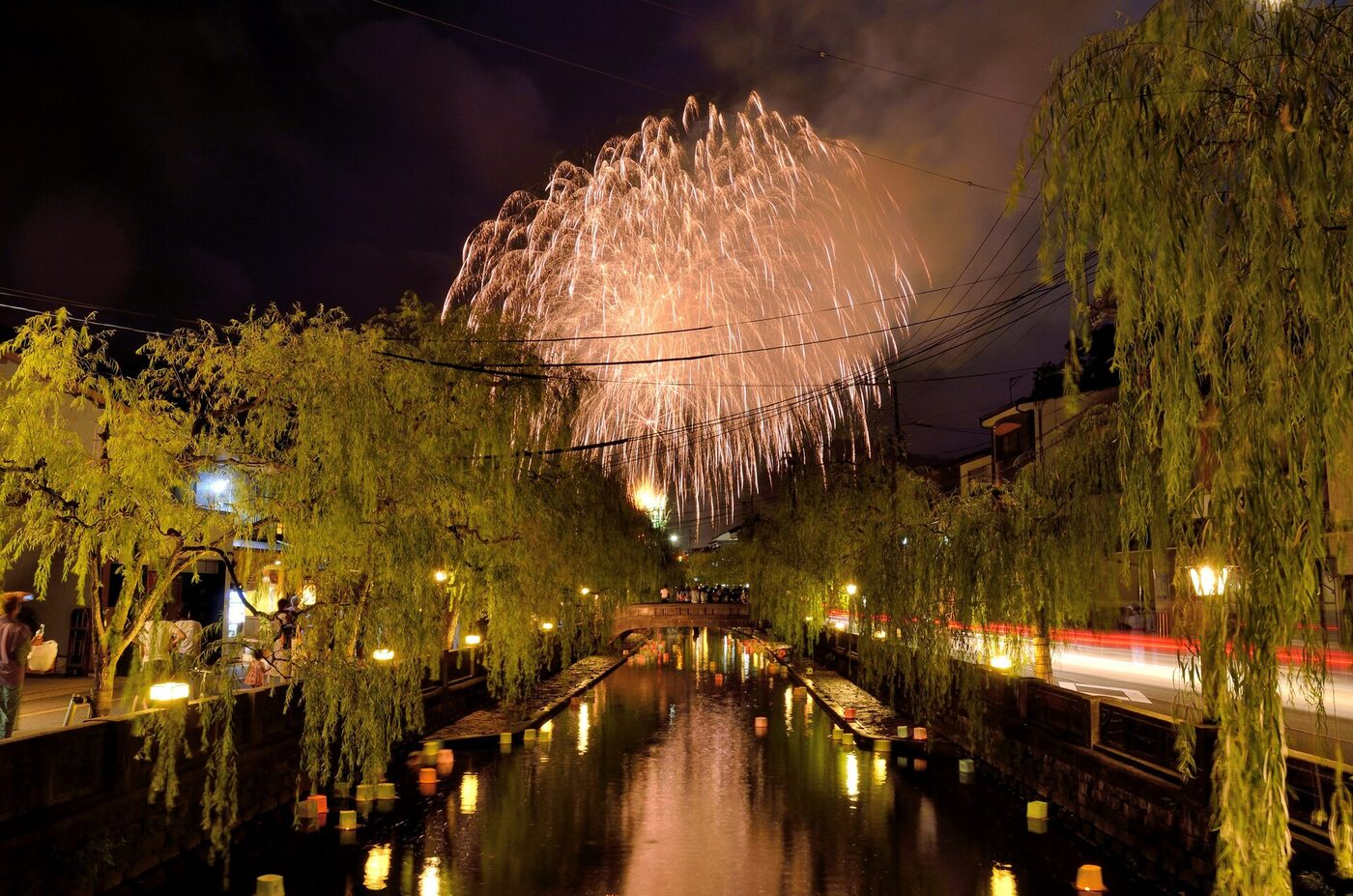
A day trip to Kusatsu Onsen from Tokyo is a long but potentially rewarding experience for those seeking Japan's famous hot springs. While the travel time is significant, the unique atmosphere, highly therapeutic waters, and iconic Yubatake make it a memorable destination, especially if you plan your visit efficiently.
Kusatsu Onsen is renowned as one of Japan's "Three Great Famous Springs" [3]. It boasts the highest natural flow rate of hot spring water in the country, a testament to its powerful geothermal activity [3]. The waters here are famously highly acidic, with a pH of around 2.1, and are rich in sulfuric minerals [3]. This unique composition is believed to have significant antibacterial properties and is traditionally thought to be beneficial for a variety of ailments, including skin conditions, cuts, burns, fatigue, and promoting better blood circulation [3].
The journey from Tokyo to Kusatsu Onsen involves a choice between express buses and a combination of train and local bus. Direct express buses depart from major hubs like Shinjuku Busta and Tokyo Station's Yaesu South Exit, with the journey typically taking between 3.5 to 4 hours one way [1, 2]. Fares for these buses generally fall within the range of 3,800 to 4,300 yen for a single trip, though prices can vary based on the season and how far in advance you book [2, 6].
For those who prefer to travel by train, the fastest route involves taking the Limited Express "Kusatsu-Shima" from Ueno Station to Naganohara-Kusatsuguchi Station. This train ride takes approximately 2.5 to 3 hours [4]. From Naganohara-Kusatsuguchi Station, you'll then need to catch a JR bus to the Kusatsu Onsen Bus Terminal, which takes another 25 to 30 minutes [1, 4]. The combined cost for this train and bus journey is roughly 5,480 yen for the train ticket and an additional 780 yen for the bus fare [4]. A beneficial option for frequent train travelers in the Kanto region is the JR Tokyo Wide Pass, which can cover both the Limited Express train and the JR bus to Kusatsu Onsen, potentially making this option more cost-effective [4].
Is the Long Travel Time to Kusatsu Onsen Worth It for a Day Trip?
The question of whether a day trip is "worth it" hinges on your priorities and tolerance for travel time. Given that the journey can take up to 4 hours each way, a significant portion of your day will be spent in transit. Some visitors suggest that an overnight stay is ideal to truly immerse yourself in the onsen experience and fully appreciate Kusatsu's charm without feeling rushed [5]. However, if you are short on time and prioritize experiencing one of Japan's most famous onsen towns, a well-planned day trip can still be very rewarding.
To maximize your day, consider an early start from Tokyo. This will give you more time to explore the town and enjoy the onsen facilities. The key is to be strategic about what you want to see and do within your limited timeframe.
What Makes Kusatsu Onsen Special?
Kusatsu Onsen's fame stems from several unique aspects that set it apart. Beyond its powerful, mineral-rich waters, the town itself offers a distinct atmosphere.
The Yubatake: This is the undeniable heart and soul of Kusatsu Onsen. The Yubatake, meaning "hot water field," is a large, steaming area where geothermal water is channeled through wooden gutters to cool down before reaching the various bathing facilities [14]. The sight of the steam rising from the water, especially in the cooler months, creates a truly magical and atmospheric scene. It's a free attraction and a perfect spot for photos. Adjacent to the Yubatake, you can also find a free footbath, allowing you to dip your toes and feel the warmth of the onsen water even before heading to a bathhouse [14]. The Yubatake is also beautifully illuminated at night, offering a different, enchanting perspective [7].
Yumomi Performance: At the Netsu-no-Yu facility, visitors can witness "Yumomi," a traditional performance where women use large wooden paddles to stir the hot spring water, cooling it down to a comfortable bathing temperature [15]. This is a unique cultural experience and a vital part of Kusatsu's onsen heritage.
Sainokawara Park and Open-Air Bath: For a more natural onsen experience, Sainokawara Park is a must-visit. This park features natural hot spring streams flowing through the landscape and is home to the Sainokawara Open-Air Bath, one of the largest outdoor baths in Japan [16]. It offers a serene bathing experience surrounded by nature, and like the Yubatake, it is also illuminated at night [16].
Tattoo-Friendly Policies: For many international travelers, a significant concern when visiting onsen is whether tattoos are allowed. Kusatsu Onsen is generally considered tattoo-friendly [8, 9]. Its three main public day-use facilities—Otaki no Yu, Goza no Yu, and Sainokawara Open-Air Bath—explicitly welcome guests with tattoos without any restrictions [8, 10]. This makes Kusatsu a more accessible and welcoming destination for a wider range of visitors.
Comparing Travel Options for Your Kusatsu Day Trip
| Travel Method | Departure Station | Approximate Travel Time | Approximate One-Way Cost | Notes |
|---|---|---|---|---|
| Direct Express Bus | Shinjuku Busta, Tokyo Station Yaesu South Exit | 3.5 - 4 hours | 3,800 - 4,300 yen | Convenient, direct to Kusatsu Onsen Bus Terminal. |
| Train + JR Bus | Ueno Station (Limited Express "Kusatsu-Shima") | ~2.5 - 3 hours (train) + 25-30 mins (bus) | ~5,480 yen (train) + 780 yen (bus) | Fastest train option. JR Tokyo Wide Pass can cover both legs. |
Planning Your Day Trip Itinerary
If you decide a day trip is for you, here’s a possible structure to make the most of your time:
- Morning (Early Start): Depart from Tokyo as early as possible. Aim to arrive in Kusatsu Onsen by late morning.
- Late Morning/Early Afternoon: Head straight to the Yubatake area. Take photos, enjoy the atmosphere, and perhaps try the free footbath.
- Lunch: Find a local restaurant for lunch. Many offer regional specialties.
- Afternoon: Choose one or two of the main onsen facilities to experience.
- Otaki no Yu: Known for its multiple types of baths, including a large communal bath and a "Yumomi" performance area (though the performance itself is at Netsu-no-Yu) [10, 13].
- Goza no Yu: A more traditional and refined onsen experience, often described as having a slightly different water quality due to its unique water source [10].
- Sainokawara Open-Air Bath: For a more natural, outdoor bathing experience, especially if the weather is pleasant [16].
- Late Afternoon: Explore the charming streets of Kusatsu Onsen, perhaps picking up some souvenirs.
- Evening: Begin your journey back to Tokyo, aiming to arrive back in the city in the late evening.
Find Kusatsu onsen tickets & tours on Klook → Browse Kusatsu ryokan & hotel deals on Expedia →
Essential Onsen Etiquette to Remember
Before you immerse yourself in the relaxing waters, it’s important to understand basic onsen etiquette to ensure a pleasant experience for everyone [24, 25, 26, 27].
- Shower First: Always wash your body thoroughly with soap and rinse off completely before entering any of the hot spring baths [24].
- Naked Bathing: Onsen are traditionally enjoyed nude. Swimsuits are not permitted in the bathing areas [24].
- Towel Placement: Keep your small modesty towel out of the bathwater. You can place it on the edge of the bath or on a designated hook [24].
- Hair Management: Tie up long hair to prevent it from touching the water [24].
- No Splashing: Be considerate of other bathers and avoid splashing or making excessive noise [26].
- Cleanliness: If you have any open wounds or are feeling unwell, it’s best to refrain from using the onsen [26].
When is the Best Time to Visit Kusatsu Onsen?
Kusatsu Onsen is a destination that can be enjoyed year-round [17].
- Spring and Autumn: These seasons offer pleasant weather for exploring the town and enjoying the outdoor scenery. The surrounding mountains can be beautiful with spring blossoms or autumn foliage.
- Summer: While it can be warm, the higher altitude of Kusatsu can offer a refreshing escape from the heat of Tokyo.
- Winter: This is a particularly popular time to visit, as it allows for a combination of snowy landscapes and the comforting warmth of the hot springs [17]. The steam rising from the Yubatake in the cold air creates a uniquely picturesque scene. However, be aware that during winter, roads can be slippery due to snow, making trains and buses a safer and more reliable option for travel compared to rental cars, especially if you are not accustomed to driving in such conditions [23].
Is a Kusatsu Onsen Day Trip Worth It for You?
Ultimately, whether a day trip to Kusatsu Onsen from Tokyo is "worth it" is a personal decision. If you are an avid onsen enthusiast, fascinated by Japan's natural beauty, and can efficiently manage your travel time, then yes, it can be a highly rewarding experience. The unique Yubatake, the therapeutic waters, and the generally tattoo-friendly environment are significant draws.
However, if you prefer a more relaxed pace and want to fully savor the onsen culture without feeling rushed, consider extending your visit to an overnight stay [5]. This would allow you to explore more of the facilities, enjoy the town at a leisurely pace, and perhaps experience the Yubatake illuminated at night without the pressure of catching a bus back to Tokyo.
For inbound tourists, Kusatsu Onsen offers a genuine taste of Japan's celebrated hot spring culture, making it a strong contender for a memorable excursion from the capital, provided you are prepared for the travel commitment.
Where to stay in Kusatsu
Onsen hotels and ryokan in Kusatsu listed on Rakuten Travel, Japan's largest domestic booking site.
- 草津温泉 5種貸切風呂の宿 湯宿 きんだい ★ 4.4 (532 reviews) · from ¥13,000
- 草津温泉 源泉かけ流しの宿 ひのき亭 牧水 ★ 4.4 (193 reviews) · from ¥10,500
- 草津温泉 ホテルスパックス草津 ★ 4.2 (1,515 reviews) · from ¥9,900
Links open Rakuten Travel, which is in Japanese — your browser's built-in translation handles the booking pages well. We may earn a commission at no extra cost to you.
Sources
[1] navitime.com — https://japantravel.navitime.com/en/area/jp/guide/NTJhowto0104-en/ [2] kosokubus.com — https://www.kosokubus.com/en/special/tokyo_kusatsu.html [3] japan-guide.com — https://www.japan-guide.com/e/e7403.html [4] selected-ryokan.com — https://selected-ryokan.com/guide/tokyo-ueno-shinjuku-shibuya-ikebukuro-to-kusatsu-onsen-access.html [5] ctfassets.net — https://downloads.ctfassets.net/2uxxifu5nzlv/6Q7OOcOBCZbHJ6cHPPh3uO/98c0f69a7fb9315fc7914096672f9cb2/pdf_dl_07_kusatsu_onsen_en.pdf [6] highway-buses.jp — https://highway-buses.jp/course/kusatsu.php [7] thenavigatio.com — https://thenavigatio.com/kusatsu-onsen-itinerary/ [8] tattoofriendlyonsen.com — https://www.tattoofriendlyonsen.com/onsen-locations/kusatsu-onsen [9] tattoo-ja.com — https://tattoo-ja.com/en/blog/kusatsu-onsen-tattoo-friendly-guide-2025 [10] tattoofriendlyonsen.com — https://www.tattoofriendlyonsen.com/onsen/otaki-no-yu-onsen [13] onsen-kusatsu.com — https://onsen-kusatsu.com/ohtakinoyu/en/ [14] japan.travel — https://www.japan.travel/en/spot/1518/ [15] att-japan.net — https://att-japan.net/en/kusatsu-onsen/ [16] navitime.com — https://japantravel.navitime.com/en/area/jp/guide/NTJonry2510001-en/ [17] kusatsu-accommodations.jp — https://kusatsu-accommodations.jp/onsen/ [23] visit-gunma.jp — https://www.visit-gunma.jp/en/discover/destinations/kusatsu/ [24] japan.travel — https://www.japan.travel/en/my/story/onsen-in-japan-etiquette-guide/ [25] japan.travel — https://www.japan.travel/en/ph/story/onsen-etiquette/ [26] asocialnomad.com — https://asocialnomad.com/japan/how-to-use-onsen-etiquette/ [27] girleatworld.net — https://girleatworld.net/onsen-guide/
Ready to plan your visit?
Prices and slots for popular baths change with the season — check today's availability before you build your itinerary.
Check availability on Klook