Is a Winter Day Trip to Ginzan Onsen From Tokyo Truly Worth It?
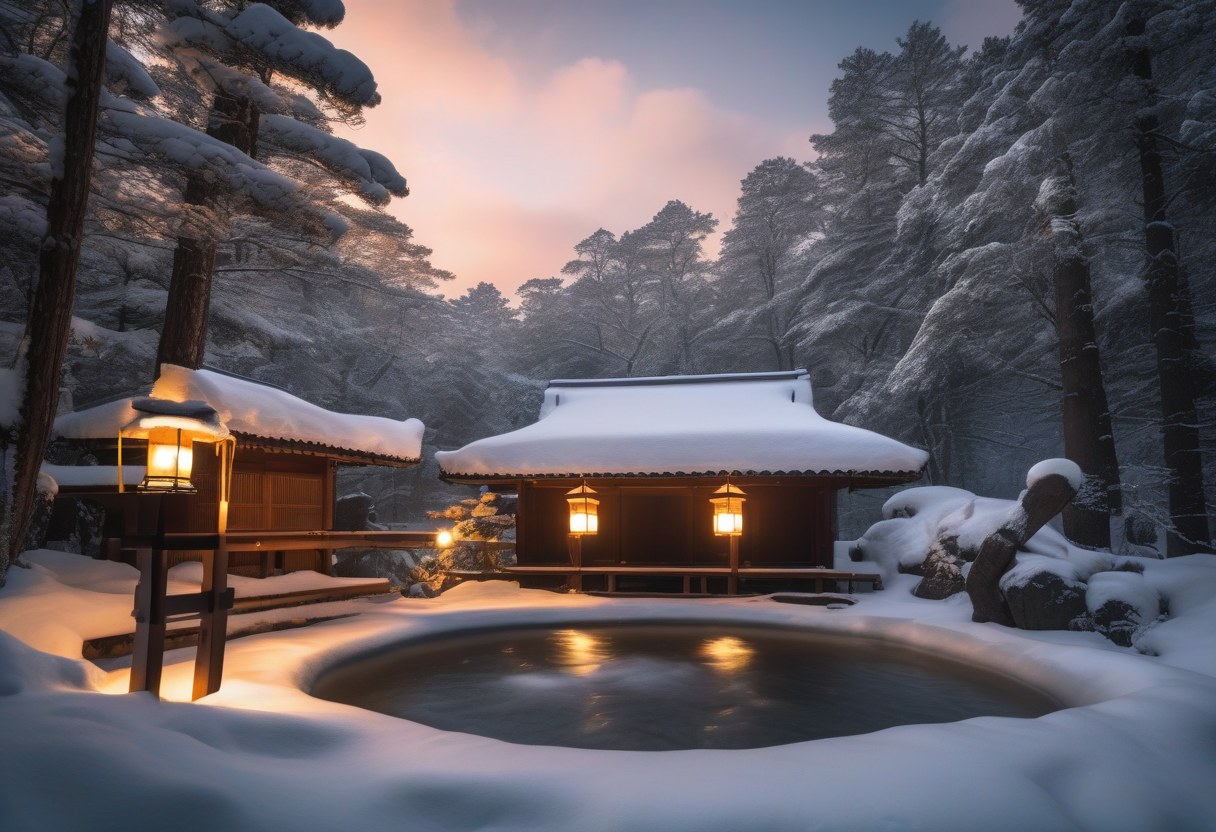
Considering a winter day trip to Ginzan Onsen from Tokyo? While the journey is long, the unique snowy scenery and historic atmosphere can make it a memorable experience, especially if you plan carefully around the limited bus schedules and potential entry ticket requirements.
The allure of Ginzan Onsen in winter is undeniable. Imagine a charming village nestled in a snowy valley, its traditional wooden buildings dusted with white, illuminated by the warm glow of gas lamps. This picturesque scene, reminiscent of a bygone era, is what draws many visitors. However, the practicalities of reaching this remote onsen town from Tokyo for a single day require careful consideration. The journey itself is a significant part of the equation, and understanding the travel times, costs, and logistical challenges is crucial for determining if this winter wonderland is within reach for your itinerary.
How Long Does It Take to Get to Ginzan Onsen From Tokyo in Winter?
The trip to Ginzan Onsen from Tokyo is a substantial undertaking, requiring a multi-stage journey. The primary mode of transport is the Shinkansen, Japan's high-speed bullet train, followed by a local bus.
The first leg involves taking the JR Yamagata Shinkansen from Tokyo to Oishida Station. This scenic train ride typically takes approximately 3 hours and 20 minutes to 3 hours and 30 minutes [1]. Upon arrival at Oishida Station, you will then need to catch a local bus that travels to Ginzan Onsen. This bus journey takes about 35 to 40 minutes [1].
Therefore, the total one-way travel time from Tokyo to Ginzan Onsen, combining the train and bus, is around 4 to 5 hours [1]. This means a significant portion of your day will be dedicated to travel, which is an important factor to consider when planning a day trip.
What Are the Costs Involved in a Ginzan Onsen Day Trip?
When planning a day trip to Ginzan Onsen from Tokyo, it's important to budget for transportation costs. These can add up, especially considering the distance involved.
The Shinkansen journey from Tokyo to Oishida Station is the most significant expense. Without a Japan Rail Pass, the approximate cost for this train ticket is around ¥12,450 one-way [1]. If you possess a Japan Rail Pass, the Shinkansen portion of your journey is covered, which can be a considerable saving [2]. However, it's important to note that the local bus from Oishida Station to Ginzan Onsen is not included in the Japan Rail Pass. This bus ticket costs ¥1,000 one-way [1].
Thus, for a round trip, the bus fare alone would be ¥2,000. When factoring in the Shinkansen ticket, the total approximate cost for a one-way journey without a Japan Rail Pass is around ¥13,450. This means a round trip could cost upwards of ¥26,900 for transportation alone, excluding any food or onsen entrance fees.
Is the Long Journey to Ginzan Onsen in Winter Worth the Effort?
The worth of a day trip to Ginzan Onsen in winter hinges on your priorities and expectations. The journey is long, but the destination offers a unique visual and atmospheric experience.
Ginzan Onsen is celebrated for its Taisho-era (1912-1926) architecture. The village is lined with beautifully preserved wooden buildings, many of which are ryokans (traditional Japanese inns). In winter, this historic setting is transformed by snow, creating a truly magical ambiance. The iconic gas lamps that line the streets are lit in the evening, casting a warm, nostalgic glow that is particularly enchanting against the snowy backdrop [3]. This visual appeal is a major draw for visitors seeking a quintessential Japanese winter experience.
However, the significant travel time of 4 to 5 hours one-way means you will have limited time to spend in the village itself on a day trip [1]. You need to weigh the beauty of Ginzan Onsen against the hours spent on trains and buses.
What Can Day-Trippers Do in Ginzan Onsen During Winter?
For those undertaking a day trip to Ginzan Onsen, there are specific facilities and experiences available for non-staying guests. While the full ryokan experience is reserved for overnight visitors, day-trippers can still immerse themselves in the onsen culture.
Ginzan Onsen offers three public bathhouses that day visitors can access. One notable example is Shirogane-yu, which typically has an entrance fee of ¥500 [4]. These public baths provide an opportunity to experience the therapeutic hot spring waters. In addition to the paid baths, the village also features several free footbaths, known as Warashiyu, which are located along the Ginzan River [4]. These are a wonderful way to warm up your feet and enjoy the scenery without needing to pay for a full bath.
It is important to be aware of the entry regulations for non-overnight guests during the winter season. For the 2024/2025 winter season, entry tickets are required to visit Ginzan Onsen between 5 PM and 8 PM [5]. However, there are no such restrictions between 9 AM and 4 PM, allowing for daytime visits without needing a specific ticket [5].
What Are the Specifics of Ginzan Onsen's Hot Springs?
The hot springs at Ginzan Onsen are known for their quality and traditional healing properties. Understanding the nature of the water can enhance your appreciation of the onsen experience.
The hot spring water at Ginzan Onsen is classified as a sulfate spring [6]. It is characterized by its clear, slightly salty composition. Visitors often describe the water as being very soft, which can feel pleasant on the skin [6]. A key characteristic of these springs is their ability to warm the body thoroughly, a welcome sensation during the cold winter months. Traditionally, these waters have been associated with various benefits, including aiding the recovery from cuts, burns, and general fatigue [6].
When visiting any onsen, it's important to be aware of general etiquette. This typically involves being fully nude in the bathing area, thoroughly washing your body before entering the hot spring bath, and ensuring that your small towel does not touch the bathwater [7].
Are There Any Considerations for Tattooed Visitors at Ginzan Onsen?
Tattoo policies can be a concern for many travelers visiting Japanese onsen. While many public onsen facilities prohibit visible tattoos due to historical associations, Ginzan Onsen offers some options for tattooed individuals.
Historically, tattoos have been associated with organized crime in Japan, leading many traditional onsen to enforce strict no-tattoo policies [8]. However, awareness and acceptance are growing. Some ryokans in Ginzan Onsen are known to be more accommodating. For instance, ryokans such as Fujiya, Notoya Ryokan, and Kozankaku have been listed as tattoo-friendly [9].
For those who are concerned about tattoo policies or wish for more privacy, booking a room with a private onsen bath is an excellent alternative. This allows you to enjoy the hot springs without any restrictions related to your tattoos [10]. It is always advisable to check the specific tattoo policy of any onsen facility or ryokan you plan to visit in advance.
What Are the Winter Travel Challenges and Preparations for Ginzan Onsen?
Winter travel to Ginzan Onsen requires careful preparation due to the climate and potential for weather-related disruptions.
Heavy snowfall is common in the region during winter, and temperatures can drop significantly. Average winter temperatures in Ginzan Onsen can be around -4.3°C (23°F) [11]. Therefore, it is essential to pack warm clothing, including thermal layers, a heavy coat, waterproof outerwear, gloves, and a hat.
Furthermore, the infrequent local bus service from Oishida Station to Ginzan Onsen (running only 5-7 times a day) can make it challenging to experience the village's famous illuminated night view on a day trip [1]. You would need to time your departure from Tokyo very carefully and potentially stay until late evening, which might not be feasible for a day trip.
Additionally, winter weather can sometimes lead to delays in train and bus services [11]. It is advisable to allow extra travel time and to check weather forecasts and transportation schedules before your trip. If you are planning to visit Ginzan Onsen during the evening hours when the gas lamps are lit, you must be aware of the bus schedule for your return journey to Oishida Station.
Comparing Day Trip Options: Ginzan Onsen vs. Other Nearby Onsen Towns
When considering a winter onsen experience from Tokyo, it's helpful to compare Ginzan Onsen with other accessible options. While Ginzan Onsen offers a unique historical atmosphere, its remoteness presents challenges for day-trippers.
| Feature | Ginzan Onsen | Other Accessible Onsen Towns (e.g., Hakone, Kinugawa) |
|---|---|---|
| Travel Time from Tokyo | Approx. 4-5 hours one-way [1] | Approx. 1.5-2.5 hours one-way [12, 13] |
| Atmosphere | Historic Taisho-era village, snowy, gas lamps [3] | Varied - natural beauty, resort towns, historical sites [12, 13] |
| Day Trip Feasibility | Challenging due to long travel and limited bus schedules [1] | More feasible with shorter travel times and more frequent transport [12, 13] |
| Cost (Transport) | Higher, especially without JR Pass (approx. ¥12,450 one-way Shinkansen + ¥1,000 bus) [1] | Generally lower, with more direct train options [12, 13] |
| Winter Scenery | Highly picturesque with heavy snowfall and illuminated lamps [3] | Can be beautiful, but less uniquely historic than Ginzan [12, 13] |
| Onsen Variety | Primarily focused on the traditional village experience [4] | Wider range of onsen types, public baths, and private options [12, 13] |
| Night View Experience | Famous illuminated gas lamps, but difficult for day-trippers to catch [1, 5] | Some towns offer evening illuminations, but Ginzan's is iconic [12, 13] |
For a more relaxed and less rushed day trip from Tokyo, onsen towns like Hakone or Kinugawa Onsen might offer a more practical alternative. These locations are significantly closer, allowing for more time to enjoy the hot springs and surrounding attractions. However, if the specific aesthetic and nostalgic charm of Ginzan Onsen in winter is your primary goal, and you are prepared for the extensive travel, it can still be a rewarding, albeit long, day.
Browse Ginzan Onsen ryokan & hotel deals on Expedia → Find Ginzan Onsen onsen tickets & tours on Klook →
Is a Ginzan Onsen Day Trip in Winter Recommended?
A winter day trip to Ginzan Onsen from Tokyo is a proposition that requires careful consideration of its pros and cons. The journey is undeniably long, demanding approximately 4 to 5 hours of travel time each way [1]. This means that a significant portion of your day will be spent on trains and buses, leaving limited hours to explore the village itself.
The charm of Ginzan Onsen in winter is its unique atmosphere. The snow-covered, Taisho-era wooden buildings, illuminated by gas lamps, create a scene of unparalleled beauty and nostalgia [3]. This visual spectacle is a major draw, offering a glimpse into a romanticized past. For those who prioritize this specific aesthetic and are willing to endure the extensive travel, it can be a worthwhile endeavor.
However, the practicalities of a day trip are challenging. The infrequent local bus service from Oishida Station to Ginzan Onsen (5-7 times a day) can make it difficult to experience the village's famous illuminated night view, which is a highlight for many visitors [1]. You would need to plan your return journey meticulously to catch the last bus, and this might mean leaving the village before the lamps are fully lit or staying very late.
Browse Ginzan Onsen ryokan & hotel deals on Expedia → Find Ginzan Onsen onsen tickets & tours on Klook →
If your primary goal is to simply experience an onsen in a beautiful winter setting without the extensive travel, other onsen towns closer to Tokyo might be more suitable. However, if the iconic, snow-dusted, gas-lit streets of Ginzan Onsen are a must-see on your itinerary, and you are prepared for a very long day of travel, then it can indeed be worth it. The decision ultimately depends on your personal travel style, priorities, and tolerance for long journeys.
Where to stay in Ginzan
Onsen hotels and ryokan in Ginzan listed on Rakuten Travel, Japan's largest domestic booking site.
- 銀山温泉 古勢起屋別館 ★ 4.3 (315 reviews) · from ¥34,650
- 銀山温泉 伝統の宿 古山閣 ★ 4.6 (314 reviews) · from ¥23,100
- 銀山温泉 仙峡の宿 銀山荘 ★ 4.4 (317 reviews) · from ¥24,778
Links open Rakuten Travel, which is in Japanese — your browser's built-in translation handles the booking pages well. We may earn a commission at no extra cost to you.
Sources
[1] japan.travel — https://www.japan.travel/en/spot/1798/ [2] yamagatakanko.com — https://yamagatakanko.com/en/attractions/detail_2832.html [3] pagesoftravel.org — https://pagesoftravel.org/ginzan-onsen/ [4] selected-ryokan.com — https://selected-ryokan.com/guide/yamagata-airport-tokyo-sendai-to-ginzan-onsen-access.html [5] tattoo-friendly.com — https://www.tattoo-friendly.com/articles/rss7t97g1y [6] rome2rio.com — https://www.rome2rio.com/s/Tokyo/Ginzan-onsen [7] gofindorient.com — https://www.gofindorient.com/japan-guide/ginzan-onsen-in-winter.html [8] thehiddenjapan.com — https://travel.rakuten.com/contents/usa/en-us/guide/ginzan-onsen-guide/ [9] japan-guide.com — https://www.japan-guide.com/forum/quereadisplay.html?0+175047 [10] thehiddenjapan.com — https://thehiddenjapan.com/ginzan-onsen/ [11] tattoo-friendly.com — https://www.tattoo-friendly.com/articles/ginzan-onsen-in-winter-with-stunning-snowy-photo-spots [12] rakuten.com — https://travel.rakuten.com/contents/usa/en-us/guide/complete-guide-onsens/ [13] gltjp.com — https://www.gltjp.com/en/article/item/20403/
Ready to plan your visit?
Prices and slots for popular baths change with the season — check today's availability before you build your itinerary.
Check availability on Klook