A Relaxing Two-Day Kinosaki Onsen Escape from Osaka
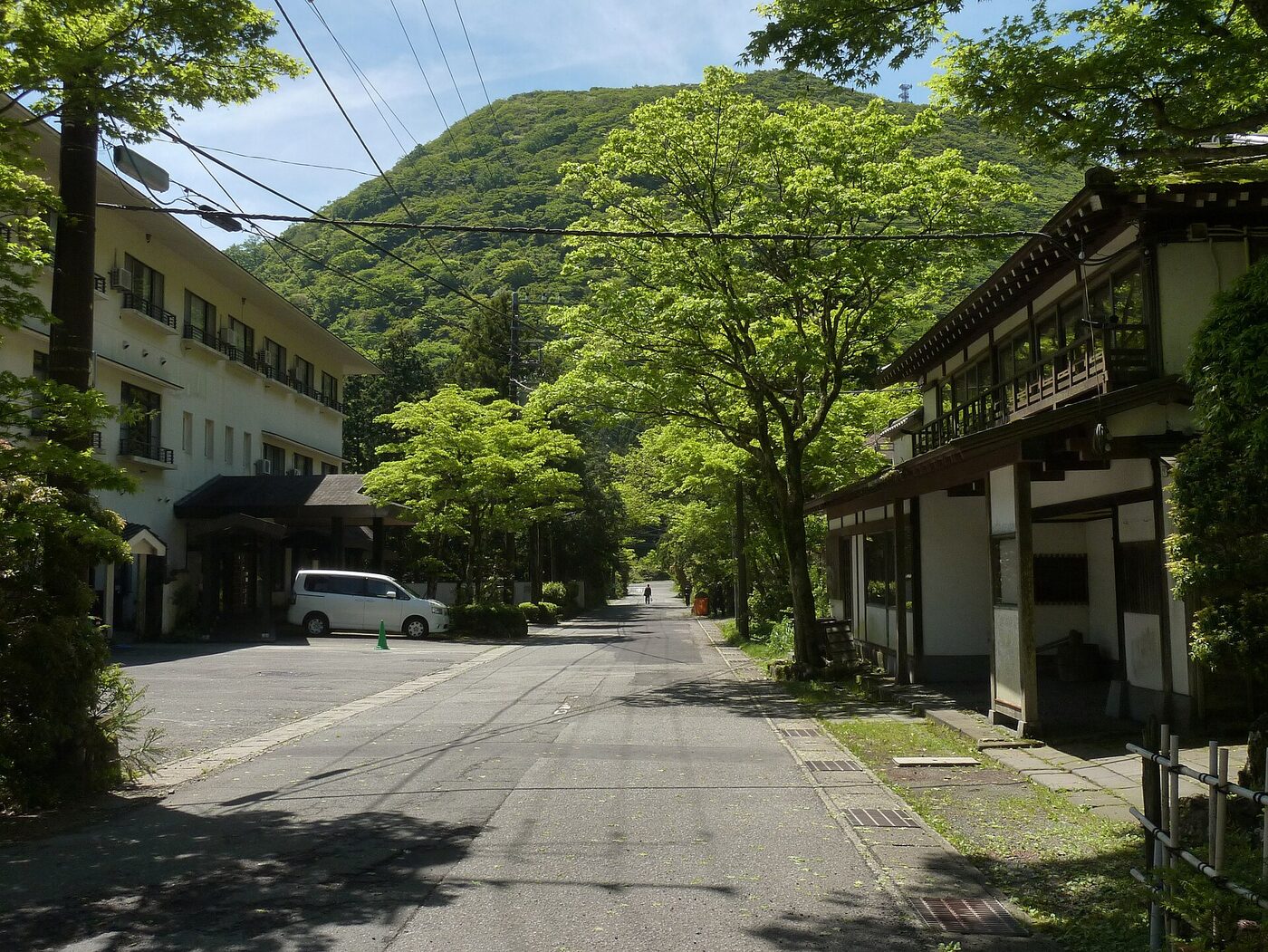
Planning a trip to Kinosaki Onsen from Osaka? This itinerary offers a balanced experience of relaxation and exploration, covering travel, hot springs, and local charm over two days.
Kinosaki Onsen is a charming hot spring town known for its seven public bathhouses, traditional inns, and a relaxed atmosphere. A two-day trip from Osaka allows for a comfortable journey, ample time to enjoy the onsen experience, and a taste of the town's unique culture.
Getting to Kinosaki Onsen from Osaka
The most convenient way to reach Kinosaki Onsen from Osaka is by train. You can take a JR Limited Express train, such as the Kounotori or Hamakaze, directly from Osaka Station. This journey typically takes between 2 hours and 40 minutes to 2 hours and 50 minutes [1]. Train fares can vary, with unreserved seats generally costing around ¥2,700 and reserved seats up to ¥7,000, depending on the specific service and booking [2].
Alternatively, a bus service is available. The Zentan Express Bus departs from Hankyu Sanbangai station in Osaka and takes approximately 3 hours and 13 minutes to 3 hours and 23 minutes to reach Kinosaki Onsen. The bus fare is typically between ¥3,850 and ¥4,100 [3].
Day 1: Arrival, Onsen Hopping, and Ryokan Comfort
Upon arrival in Kinosaki Onsen, head to your accommodation. Many visitors choose to stay in a traditional Japanese inn, known as a ryokan, for an immersive experience. Most ryokan welcome guests to check in from the afternoon.
Your First Dip: The "Yumepa" Pass
A key part of the Kinosaki Onsen experience is "sotoyu meguri," or bath strolling. If you are staying at a ryokan, you will likely receive a "Yumepa" pass. This pass grants you unlimited access to all seven public bathhouses in town from the moment you check in until 13:00 on your check-out day [5]. This is a fantastic way to explore the different onsen.
For those visiting as day-trippers or who don't receive the pass with their accommodation, a "Yumepa" day pass can be purchased for ¥1,500 at the reception of any public bathhouse. This pass allows entry to all seven baths for one calendar day [6].
Exploring the Seven Bathhouses
Kinosaki Onsen's waters are sodium-calcium-chloride springs, described as colorless, transparent, and odorless. They are traditionally believed to offer benefits for muscle pain, bruising, fatigue, circulation, joint pain, and skin health [7].
The seven public bathhouses, or "sotoyu," each have their own unique architecture and atmosphere. They generally open between 7:00 and 15:00 and close at 23:00, though each has a different weekly closing day [9].
Here's a quick overview of the public bathhouses:
| Bathhouse Name | Key Features |
|---|---|
| Yanagi-yu | Known for its peaceful atmosphere and traditional wooden architecture. |
| Ichino-yu | Features a large, cave-like bath and is one of the oldest. |
| Goshono-yu | Offers a luxurious experience with a large open-air bath and a waterfall bath. |
| Jizō-yu | Has a shallow bath suitable for children and is known for its healing properties. |
| Hyōno-yu | Features a unique "cold bath" (mizuburo) and is known for its spaciousness. |
| Satō-no-yu | Located near the station, it has a rooftop open-air bath with views. |
| Maguro-yu | A smaller, more intimate bathhouse with a focus on relaxation. |
Important Bathing Etiquette:
- Tattoos: Kinosaki Onsen is welcoming to visitors with tattoos. All seven public bathhouses are tattoo-friendly and do not require cover-ups for tattoos of any size [4, 11, 12, 24].
- Washing: Full nudity is required in the gender-separated baths. It is essential to thoroughly wash and rinse your body at the designated shower stations before entering the communal hot spring water [10].
- Towel Use: Do not let your small towel or hair touch the bath water. The towel should be kept on the side or on your head, and long hair should be tied up [10].
After a day of exploring the onsen, enjoy a traditional kaiseki dinner at your ryokan, featuring seasonal ingredients.
Day 2: Morning Stroll, Local Flavors, and Departure
Start your second day with a leisurely morning. You can revisit your favorite bathhouse or explore the town's charming streets.
A Morning Stroll and Local Delights
The "sotoyu meguri" is best enjoyed at a relaxed pace. Wearing a yukata (a light cotton kimono) and geta (wooden sandals), provided by most accommodations, enhances the traditional experience as you walk between the bathhouses [8]. The town is particularly picturesque with its willow trees lining the canal.
Consider picking up some local souvenirs. Kinosaki Onsen offers various crafts and local specialties. While credit cards are accepted in some places, it's advisable to carry Japanese Yen as many smaller shops and bathhouses are cash-only [13].
For lunch, explore the local eateries. You might want to try some of the regional delicacies. Winter is a popular time to visit for "Matsuba crab," a local specialty [14].
Preparing for Departure
Before heading back to Osaka, you can enjoy one last onsen soak if time permits and your "Yumepa" pass is still valid. Remember that the pass is typically valid until 13:00 on your check-out day [5].
Make your way back to Kinosaki Onsen Station for your journey home. The train ride back to Osaka Station will take approximately 2 hours and 40 minutes to 2 hours and 50 minutes [1].
Comparing Travel Options
| Travel Method | Duration | Approximate Cost | Notes |
|---|---|---|---|
| JR Limited Express Train | 2h 40m - 2h 50m | ¥2,700 - ¥7,000 | Most convenient, direct from Osaka Station [1, 2]. |
| Zentan Express Bus | 3h 13m - 3h 23m | ¥3,850 - ¥4,100 | Direct from Hankyu Sanbangai, Osaka [3]. |
Accommodation Options
Kinosaki Onsen offers a range of accommodations, from traditional ryokan with kaiseki meals to more modern hotels. Booking in advance is highly recommended, especially during peak seasons. Most ryokan open bookings 4 to 6 months ahead of time [12].
Browse Kinosaki Onsen ryokan & hotel deals on Expedia → Browse Kinosaki Onsen ryokan & hotel deals on Expedia → Find Kinosaki Onsen onsen tickets & tours on Klook →
When to Visit Kinosaki Onsen
Kinosaki Onsen is a year-round destination. Spring brings cherry blossoms, summer offers fireworks festivals, and winter is known for its snow-covered landscapes and the delicious Matsuba crab [14].
Frequently Asked Questions
Can I visit Kinosaki Onsen if I have tattoos? Yes, all seven public bathhouses in Kinosaki Onsen are tattoo-friendly and do not require cover-ups [4, 11, 12, 24].
What is the best way to get around Kinosaki Onsen? The town is very walkable, especially when wearing the provided yukata and geta. The "sotoyu meguri" is designed to be done on foot [8].
Is it necessary to book accommodation in advance? Yes, it is highly recommended to book your accommodation in advance, as Kinosaki Onsen is a popular destination, and ryokan often open bookings several months ahead [12].
Where to stay in Kinosaki
Onsen hotels and ryokan in Kinosaki listed on Rakuten Travel, Japan's largest domestic booking site.
- 城崎温泉 しののめ荘 ★ 3.8 (122 reviews) · from ¥11,900
- 城崎温泉 花小路 彩月 ★ 4.7 (229 reviews) · from ¥12,870
- 城崎温泉 西村屋ホテル招月庭 ★ 4.7 (1,179 reviews) · from ¥35,200
Links open Rakuten Travel, which is in Japanese — your browser's built-in translation handles the booking pages well. We may earn a commission at no extra cost to you.
Sources
[1] rome2rio.com — https://www.rome2rio.com/s/Osaka/Kinosaki-Onsen-Station [2] rome2rio.com — https://www.rome2rio.com/s/Osaka/Kinosaki-Onsen-eki [3] japan-experience.com — https://www.japan-experience.com/transportation/train-tickets/train-tickets-from-osaka-to-kinosaki-onsen [4] rome2rio.com — https://www.rome2rio.com/s/%C5%8Csaka-Station/Kinosaki-Onsen-Station [5] klook.com — https://www.klook.com/en-US/japan-rail/kounotori/ [6] rome2rio.com — https://www.rome2rio.com/s/Osaka/Kinosaki [7] wamazing.com — https://www.wamazing.com/media/article/a-622/ [8] 12go.asia — https://12go.asia/en/bus/osaka/kinosaki-onsen [9] visitkinosaki.com — https://visitkinosaki.com/about-kinosaki/the-7-mystic-onsen/ [10] roamjapan.com — https://roamjapan.com/blog/kinosaki-onsen-tattoo-friendly/ [11] tattoofriendlyonsen.com — https://www.tattoofriendlyonsen.com/onsen/yamamotoya-ryokan [12] tattoofriendlyonsen.com — https://www.tattoofriendlyonsen.com/onsen/ichinoyu-onsen [13] whereandwander.com — https://whereandwander.com/kinosaki-onsen-ultimate-guide-tattoo-friendly-hot-springs-town/ [14] visitkinosaki.com — https://visitkinosaki.com/plan/visitor-info/guides/tattoos-in-kinosaki-onsen/ [24] tattoofriendlyonsen.com — https://www.tattoofriendlyonsen.com/private-onsen/kinosaki-onsen
Ready to plan your visit?
Prices and slots for popular baths change with the season — check today's availability before you build your itinerary.
Check availability on Klook