Experience Japan's Spring Beauty: Cherry Blossoms and Onsen in Late March
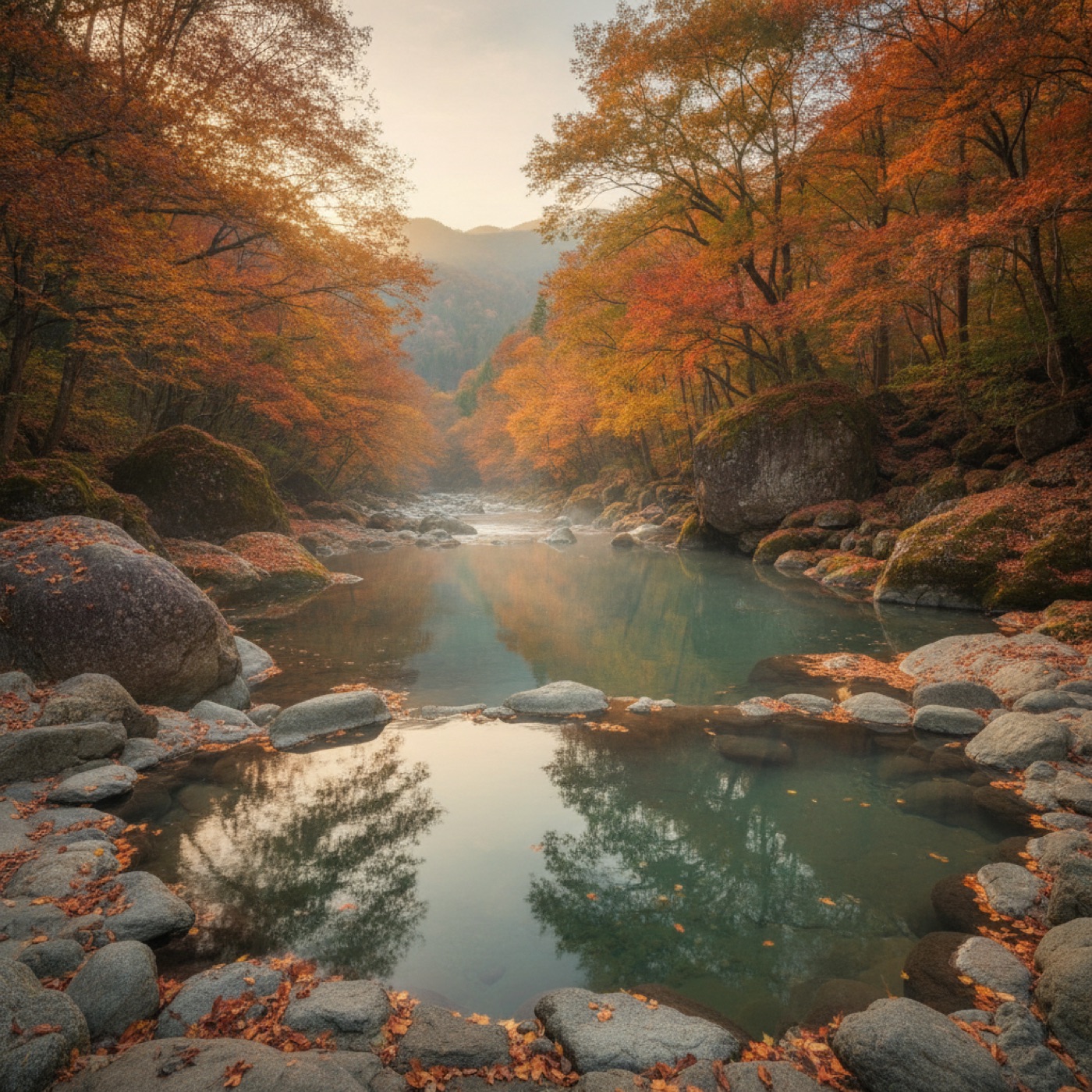
A late March trip to Japan offers a wonderful opportunity to combine the fleeting beauty of cherry blossoms with the relaxing warmth of onsen (hot springs). Areas west of greater Tokyo, including Hakone, are expected to see cherry blossoms begin to bloom around this time, providing a picturesque backdrop for your onsen experience.
When planning a trip to Japan in late March, focusing on regions where cherry blossoms are expected to bloom is key. Hakone, a mountain resort town easily accessible from Tokyo, is an excellent choice. It's known for its varied altitudes, which extend its cherry blossom viewing season. Lower elevations, such as Hakone-Yumoto, typically start blooming in late March and continue into early April [1, 2]. This timing allows visitors to enjoy the delicate pink and white flowers while also indulging in the therapeutic benefits of onsen. The combination of natural beauty and relaxation makes for a truly memorable Japanese travel experience.
Why Choose Hakone for Late March Blooms and Onsen?
Hakone presents a unique advantage for travelers seeking both cherry blossoms and onsen in late March: its diverse geography. The region’s varying altitudes mean that the cherry blossom season is not a single, fleeting event but rather a staggered display. Lower areas like Hakone-Yumoto are the first to welcome the blossoms, usually starting in late March and continuing into early April [2]. As the season progresses, higher elevations, including areas around Lake Ashi, offer later bloom times, often extending into mid to late April [2]. This staggered blooming provides a longer window of opportunity for visitors to witness the sakura.
Beyond the blossoms, Hakone is renowned for its abundant onsen. The town boasts a variety of hot spring waters, each with its own characteristics. You can find alkaline sodium bicarbonate springs, often referred to as "bijin-no-yu" (beautiful skin water) due to their softening effects on the skin. These are commonly found in the Hakone-Yumoto area [8]. Other areas, like Kowakudani, offer milky-white sulfur springs, which are traditionally believed to be beneficial for various skin conditions [8]. This variety ensures that your onsen experience can be tailored to your preferences, whether you seek gentle hydration or a more invigorating soak.
Getting to Hakone and Exploring with Ease
Accessing Hakone from Tokyo is remarkably straightforward, making it an ideal destination for a day trip or a longer stay. Direct Odakyu Romancecar trains depart from Shinjuku Station in Tokyo and arrive at Hakone-Yumoto Station in approximately 80 to 85 minutes [4]. The cost for this comfortable journey is around 2,470 JPY [4]. This convenient travel option means you can easily transition from the bustling city to the serene mountain landscape without significant travel time.
To make exploring Hakone even more convenient and cost-effective, consider purchasing the Hakone Free Pass [6]. This pass offers unlimited rides on a variety of local transportation within the Hakone area. This includes trains, cable cars, ropeways, buses, and the scenic Lake Ashi boat cruise [6]. The pass is available for 2 or 3 consecutive days, allowing you to explore at your own pace. In addition to transportation, the Hakone Free Pass also provides discounts at numerous attractions throughout the region, further enhancing your travel experience [6]. With this pass, navigating Hakone’s diverse attractions and onsen facilities becomes a seamless and enjoyable part of your trip.
Discovering Onsen Experiences in Hakone
Hakone offers a wide range of onsen facilities, from public baths to more private experiences. For those seeking a day-use option, admission fees for communal baths typically range from ¥1,000 to ¥2,500 [7, 9]. These facilities provide an excellent opportunity to experience the local onsen culture without the need to stay overnight.
If you are looking for a more secluded experience, private onsen baths are also available. Facilities like Hakone Yuryo offer private baths that can be rented for a set period, with prices starting from around ¥10,400 for two hours for two people [7]. This option is perfect for couples or small groups who prefer a more intimate setting.
It is important to note that onsen facilities in Japan often have specific policies regarding tattoos. Historically, many traditional onsen have prohibited visible tattoos due to cultural perceptions [10]. However, there is a growing trend towards more inclusive policies. For instance, Hakone Yuryo is set to remove its tattoo restrictions from April 1, 2025 [10]. Tenzan Onsen has a policy that allows one tattooed person per group in communal baths, provided that tattoos are covered in common areas [11, 13]. It is always advisable to check the specific tattoo policy of any onsen you plan to visit in advance to ensure a smooth and enjoyable experience [12].
Embracing Onsen Etiquette for a Respectful Soak
Understanding and adhering to onsen etiquette is crucial for a respectful and enjoyable experience for everyone. The fundamental principle is cleanliness. Before entering any communal bath, it is essential to wash your entire body thoroughly at the designated washing stations [18, 20]. This includes washing your hair, face, and body with soap and rinsing off completely.
When you enter the onsen bath itself, remember that full nudity is the standard [19, 21]. You will typically be provided with a small towel, which should be used for washing and drying yourself, but not placed in the bathwater [20, 22]. If you have long hair, it should be tied up and kept out of the water to maintain hygiene [18, 25].
Maintaining a quiet and peaceful atmosphere is also part of onsen etiquette [19]. Avoid loud conversations or disruptive behavior. After your soak, it is important to dry yourself off thoroughly with your towel before returning to the changing room [20, 25]. This helps to keep the changing areas dry and comfortable for others. By following these simple guidelines, you can ensure a pleasant and culturally sensitive onsen experience [18, 21, 22].
Cherry Blossom Spots and Onsen Pairings
While Hakone-Yumoto offers early blooms and accessible onsen, other areas in Hakone provide unique opportunities to combine sakura viewing with hot spring relaxation. The Miyagino Hayakawa Embankment is a particularly beautiful spot, featuring a 600-meter-long tunnel of cherry trees [9]. This tunnel is often illuminated at night from late March to mid-April, creating a magical atmosphere [9]. Imagine strolling through this illuminated blossom tunnel before heading to a nearby onsen for a warm soak.
For those staying in ryokan (traditional Japanese inns), many offer the chance to enjoy outdoor baths with views of the surrounding nature, which can include cherry blossoms in bloom [9]. This provides an intimate and luxurious way to experience both the spring flowers and the onsen. Some ryokan may even have private outdoor baths (rotenburo) that offer direct views of the sakura, allowing for a truly immersive experience [9].
Planning Your Late March Trip
When planning your late March trip to Japan, it's beneficial to be flexible with your itinerary. While late March is generally a good time for cherry blossoms in western Japan, the exact blooming period can vary slightly each year due to weather conditions. Checking the cherry blossom forecast closer to your travel dates is recommended [1].
Consider purchasing the Hakone Free Pass in advance, especially if you plan to visit during peak travel times. This can save you time and money [6]. For onsen visits, especially if you have tattoos, it's wise to research individual facility policies beforehand [10, 11, 12].
The combination of the ephemeral beauty of cherry blossoms and the restorative power of onsen makes a late March trip to Hakone a truly special experience. The ease of access from Tokyo, the variety of onsen experiences, and the stunning natural scenery, especially during sakura season, create a perfect blend of culture, relaxation, and natural wonder.
Popular onsen towns to stay in
One stay in each of three classic onsen towns, listed on Rakuten Travel, Japan's largest domestic booking site.
- 箱根湯本温泉 伊東園ホテル 箱根湯本 Hakone · ★ 4.0 (671 reviews) · from ¥7,898
- 草津温泉 5種貸切風呂の宿 湯宿 きんだい Kusatsu · ★ 4.4 (548 reviews) · from ¥13,000
- 城崎温泉 しののめ荘 Kinosaki · ★ 3.9 (134 reviews) · from ¥12,900
Links open Rakuten Travel, which is in Japanese — your browser's built-in translation handles the booking pages well. We may earn a commission at no extra cost to you.
Sources
[1] nippon.com — https://www.nippon.com/en/articles/-/19182 [2] japannaturestays.com — https://japannaturestays.com/blog/cherry-blossom-stays-hakone/ [4] todolist-japan.com — https://todolist-japan.com/en/tokyo-to-hakone/ [6] japan-experience.com — https://www.japan-experience.com/transportation/regional-passes/tokyo-mount-fuji/hakone-free-pass [7] tokyodaytrips.net — https://tokyodaytrips.net/guides/hakone-day-use-onsen/ [8] samuraicarjapanjdm.jp — https://samuraicarjapanjdm.jp/day-onsen-hakone/ [9] onedayawaytravel.com — https://onedayawaytravel.com/hakone-day-trip-onsen/ [10] isitvisible.com — https://isitvisible.com/blog/hakone-onsen [11] tattoofriendlyonsen.com — https://www.tattoofriendlyonsen.com/onsen/tenzan-onsen [12] reallyruraljapan.com — https://reallyruraljapan.com/tattoo-friendly [13] japanese-onsen.com — https://www.japanese-onsen.com/articles/tenzan-onsen-hakone-a-tattoo-friendly-hot-spring-guide/ [18] japan.travel — https://www.japan.travel/en/ph/story/onsen-etiquette-for-first-timers/ [19] marriott.com — https://traveler.marriott.com/asia-pacific/onsen-japan-etiquette-for-first-timers/ [20] japanese-onsen.com — https://www.japanese-onsen.com/articles/tenzan-onsen-hakone-a-tattoo-friendly-hot-spring-guide/ [21] hakone-japan.com — https://hakone-japan.com/things-to-do/onsen/how-to-enjoy-onsen/how-to-onsen-in-japan/ [22] kashiwaya.org — https://www.kashiwaya.org/e/magazine/onsen/rules2.html [25] traveljapan-together.com — https://traveljapan-together.com/blog/travel-tips/onsen-etiquette-japan/
Ready to plan your visit?
Prices and slots for popular baths change with the season — check today's availability before you build your itinerary.
Check availability on Klook