Finding the Best Ryokan Booking Sites for Foreigners in Japan
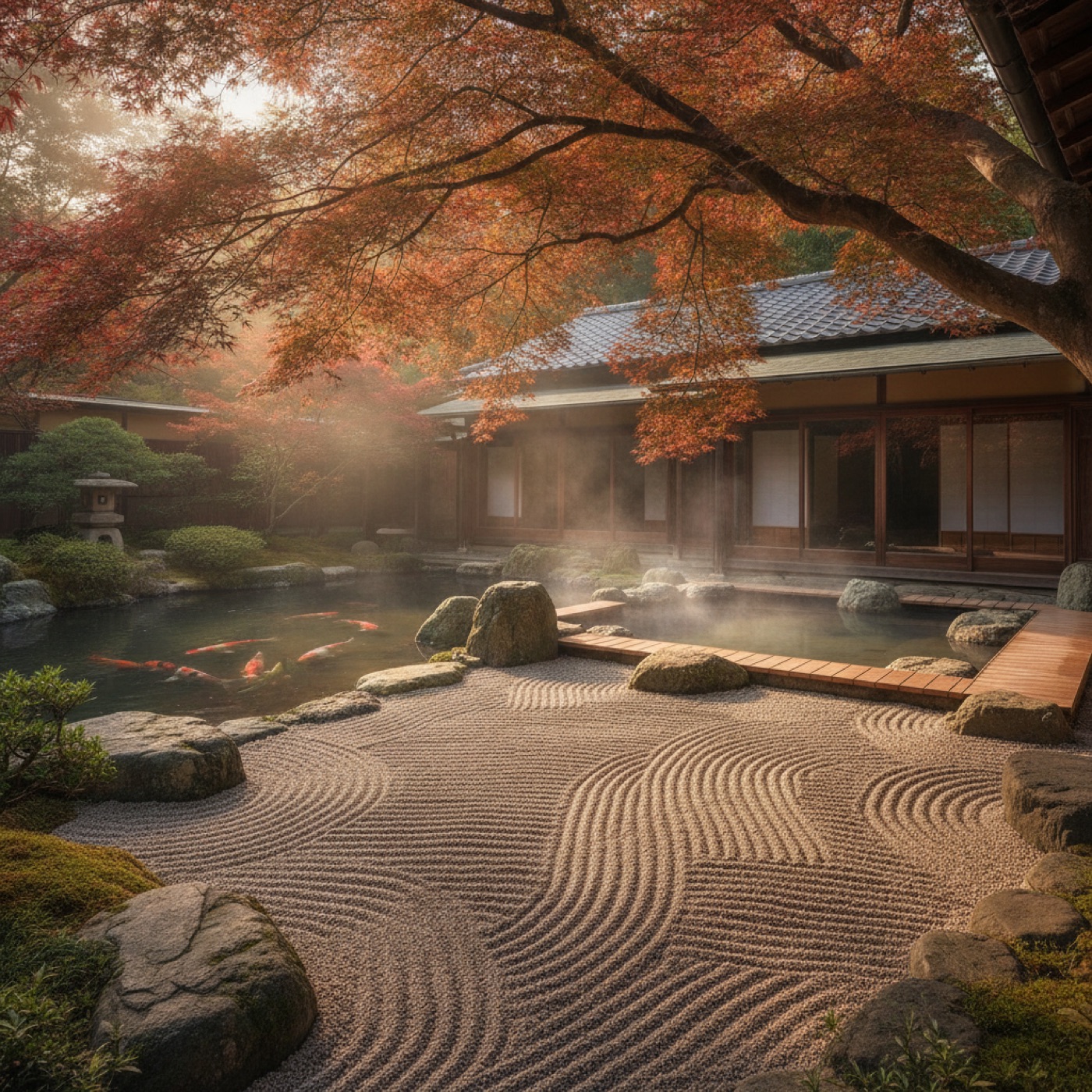
For inbound tourists seeking an authentic Japanese experience, booking a ryokan can be a highlight of their trip. Choosing the right booking platform is crucial for a smooth process, especially for those unfamiliar with Japanese systems. International booking platforms like Booking.com and Agoda are highly recommended for first-time ryokan bookers due to their user-friendly English interfaces, straightforward credit card payments, clear cancellation policies, and readily available English customer support [1, 2]. These platforms simplify the process of finding and reserving a traditional Japanese inn, offering a sense of security and ease for international travelers.
When exploring options, it's important to understand the typical pricing and what is usually included in a ryokan stay. Ryokan pricing is generally quoted per person, per night [5]. Almost universally, this price includes a multi-course kaiseki dinner, a beautifully presented and seasonal meal, and a traditional Japanese breakfast [5, 6]. This comprehensive offering is a core part of the ryokan experience, providing guests with a taste of Japanese culinary artistry. The cost for a ryokan stay can vary significantly, with budget options typically ranging from ¥8,000 to ¥15,000 per person per night. Mid-range ryokans fall between ¥15,000 and ¥40,000, while luxury establishments can cost ¥40,000 to ¥100,000 or even more per person per night [5, 6]. This wide price range reflects the diverse offerings and levels of service available.
Which Booking Sites Offer the Best Experience for Foreigners?
Several platforms cater to international visitors looking to book ryokans, each with its own strengths. For those prioritizing ease of use and comprehensive support in English, international giants are often the go-to choice.
International Platforms: Your First Choice for Simplicity
Booking.com and Agoda are consistently recommended for their robust English interfaces, making the search and reservation process intuitive for non-Japanese speakers [1, 2]. These platforms are familiar to many travelers worldwide, offering familiar payment methods like standard credit cards and displaying clear, easy-to-understand cancellation policies [1]. The availability of English customer support is a significant advantage, providing a safety net should any issues arise during the booking process or even during your stay. This level of accessibility and support can greatly reduce stress for first-time ryokan visitors.
Trip.com is another strong contender, particularly for its accessible customer service. They offer a 24/7 English chat channel, which can be incredibly helpful for immediate assistance or for clarifying any details about a ryokan booking [2]. This real-time support is invaluable when dealing with different time zones and potential language barriers.
Domestic Platforms: Larger Inventories with a Learning Curve
Japan's domestic booking sites, Rakuten Travel and Jalan.net, boast the largest inventories of ryokans across the country [3]. This means you'll likely find a wider selection of accommodations, especially in less touristy areas, on these platforms. However, their primary interfaces are in Japanese, which can be a significant hurdle for non-Japanese speakers. While Rakuten Travel does offer an international English platform, it may have some limitations compared to its Japanese counterpart [3]. For travelers comfortable with navigating potentially less intuitive interfaces or who have a Japanese-speaking companion, these sites can offer access to a broader range of options.
Direct Booking: Potential Savings and Perks
Booking directly with a ryokan, often through email, can sometimes lead to savings of 5-15% on room rates [4]. This approach can also come with added benefits, such as potential room upgrades or special requests being more easily accommodated [4]. However, direct cancellation policies with individual ryokans can sometimes be stricter than those offered through larger booking platforms [4]. It’s essential to carefully review the terms and conditions before committing to a direct booking. This method requires a bit more proactive communication but can be rewarding for those seeking a more personalized experience and potential cost benefits.
Understanding Ryokan Stays: What to Expect
Beyond the booking process, understanding the customs and practicalities of a ryokan stay is key to enjoying your experience. This includes knowing about check-in times, meal arrangements, and important etiquette.
When to Arrive: Planning Your Check-in
Standard check-in at ryokans typically falls between 3 PM and 6 PM [8]. It is customary for guests to communicate their expected arrival time in advance [8]. This is not just a formality; ryokans often schedule meal preparations based on guest arrival times, particularly for the elaborate kaiseki dinners [8]. Informing your ryokan of your ETA allows them to prepare your meals perfectly and ensures a smooth welcome.
Cancellation Policies: Be Prepared
Ryokan cancellation fees are generally stricter than those for hotels [10, 11]. While policies vary, common practices include charges of 30% for cancellations made 2-3 days prior to arrival, 50% for cancellations the day before, and 100% for same-day cancellations or no-shows [10, 11]. Always check the specific cancellation policy of the ryokan you are booking, whether through a third-party site or directly, to avoid unexpected charges.
Tattoo Policies: A Growing Consideration
Tattoo policies at ryokans and onsen can vary significantly. Ryokans typically implement one of three approaches: a strict ban on all tattoos, a cover policy where tattoos must be fully concealed with waterproof bandages, or a fully welcome policy with no restrictions [12, 13]. It is crucial to research a ryokan's specific policy beforehand, especially if you have tattoos. Some onsen towns are becoming more accommodating. Kinosaki Onsen, for example, is recognized as a tattoo-friendly major onsen town, with all its public bathhouses explicitly accepting tattooed guests without a cover-up requirement [12].
Essential Etiquette: Shoes, Baths, and Yukata
Upon entering a ryokan, you will be expected to remove your shoes at the entrance, known as the genkan [14, 17]. You will often be provided with slippers for use in hallways and common areas, but these should be removed before stepping onto tatami mats in your room [14, 17].
Before entering an onsen bath, thorough washing of your entire body with soap is essential. The onsen is for soaking and relaxation, not for cleaning yourself [16, 17]. Ensure you rinse off all soap completely before entering the hot spring water. It's also important to note that towels should not be placed in the onsen bath water [16].
Yukata, lightweight cotton robes, are provided for guests to wear throughout the inn [15, 17]. In onsen towns, it is common and acceptable to wear your yukata when walking between different bathhouses or exploring the town [15].
Tipping: Not Customary
Tipping is not a customary practice in Japan, and it is not expected at ryokans [17, 18]. If you wish to express your gratitude for exceptional service, it is considered polite to place the money in an envelope rather than handing it directly to the staff [17].
Frequently Asked Questions About Ryokan Booking
Can I book a ryokan with English support?
Yes, international booking platforms like Booking.com and Agoda offer English interfaces and customer support, making them ideal for foreigners [1, 2]. Trip.com also provides a 24/7 English chat channel [2].
What is included in the price of a ryokan stay?
Ryokan prices are typically per person, per night, and almost always include a multi-course kaiseki dinner and a traditional Japanese breakfast [5, 6].
How much does a ryokan typically cost?
Budget ryokans can range from ¥8,000–¥15,000 per person per night, mid-range from ¥15,000–¥40,000, and luxury options from ¥40,000–¥100,000+ [5, 6].
Are there any special considerations for guests with tattoos?
Tattoo policies vary. Some ryokans ban tattoos, others require them to be covered, and some are fully welcoming [12, 13]. Kinosaki Onsen is a notable tattoo-friendly onsen town [12].
Popular onsen towns to stay in
One stay in each of three classic onsen towns, listed on Rakuten Travel, Japan's largest domestic booking site.
- 箱根湯本温泉 伊東園ホテル 箱根湯本 Hakone · ★ 4.0 (671 reviews) · from ¥7,898
- 草津温泉 5種貸切風呂の宿 湯宿 きんだい Kusatsu · ★ 4.4 (548 reviews) · from ¥13,000
- 城崎温泉 しののめ荘 Kinosaki · ★ 3.9 (134 reviews) · from ¥12,900
Links open Rakuten Travel, which is in Japanese — your browser's built-in translation handles the booking pages well. We may earn a commission at no extra cost to you.
Sources
[1] ryokanfinder.com — https://ryokanfinder.com/blog/how-to-book-ryokan-japan [2] japanryokanguide.com — https://www.japanryokanguide.com/en/blog/best-ryokan-booking-site-japan [3] japanryokanguide.com — https://www.japanryokanguide.com/en/blog/ryokan-booking-tips [4] japan-atlas.com — https://www.japan-atlas.com/blog/ryokan-guide/ [5] ryokanfinder.com — https://ryokanfinder.com/blog/ryokan-cost-guide-2026 [6] japanese-onsen.com — https://japanese-onsen.com/articles/how-much-does-a-ryokan-cost-in-japan/ [8] mlit.go.jp — https://www.mlit.go.jp/kankocho/ryokan/list_en.html [10] japanese-onsen.com — https://japanese-onsen.com/cancellation/ [11] onsenvista.com — https://onsenvista.com/guides/ryokan-cancellation-policy-how-strict-is-it/ [12] japanryokanguide.com — https://www.japanryokanguide.com/en/blog/tattoo-friendly-ryokans [13] shantitravel.com — https://www.shantitravel.com/en/guide-travel-japan/tattoo-friendly-onsen [14] pref.aichi.jp — https://aichinow.pref.aichi.jp/en/travelkits/abc_ryokan/ [15] japan-experience.com — https://www.japan-experience.com/plan-your-trip/to-know/traveling-japan/ryokan [16] visitkinosaki.com — https://visitkinosaki.com/plan/visitor-info/guides/ryokan-etiquette/ [17] japan-experience.com — https://www.japan-experience.com/plan-your-trip/to-know/traveling-japan/ryokan-customs-and-traditions [18] japan.travel — https://www.japan.travel/en/guide/japanese-ryokan/
Ready to plan your visit?
Prices and slots for popular baths change with the season — check today's availability before you build your itinerary.
Check availability on Klook