Exploring Japan's Unique Mixed-Gender Onsen: A Guide to Konyoku
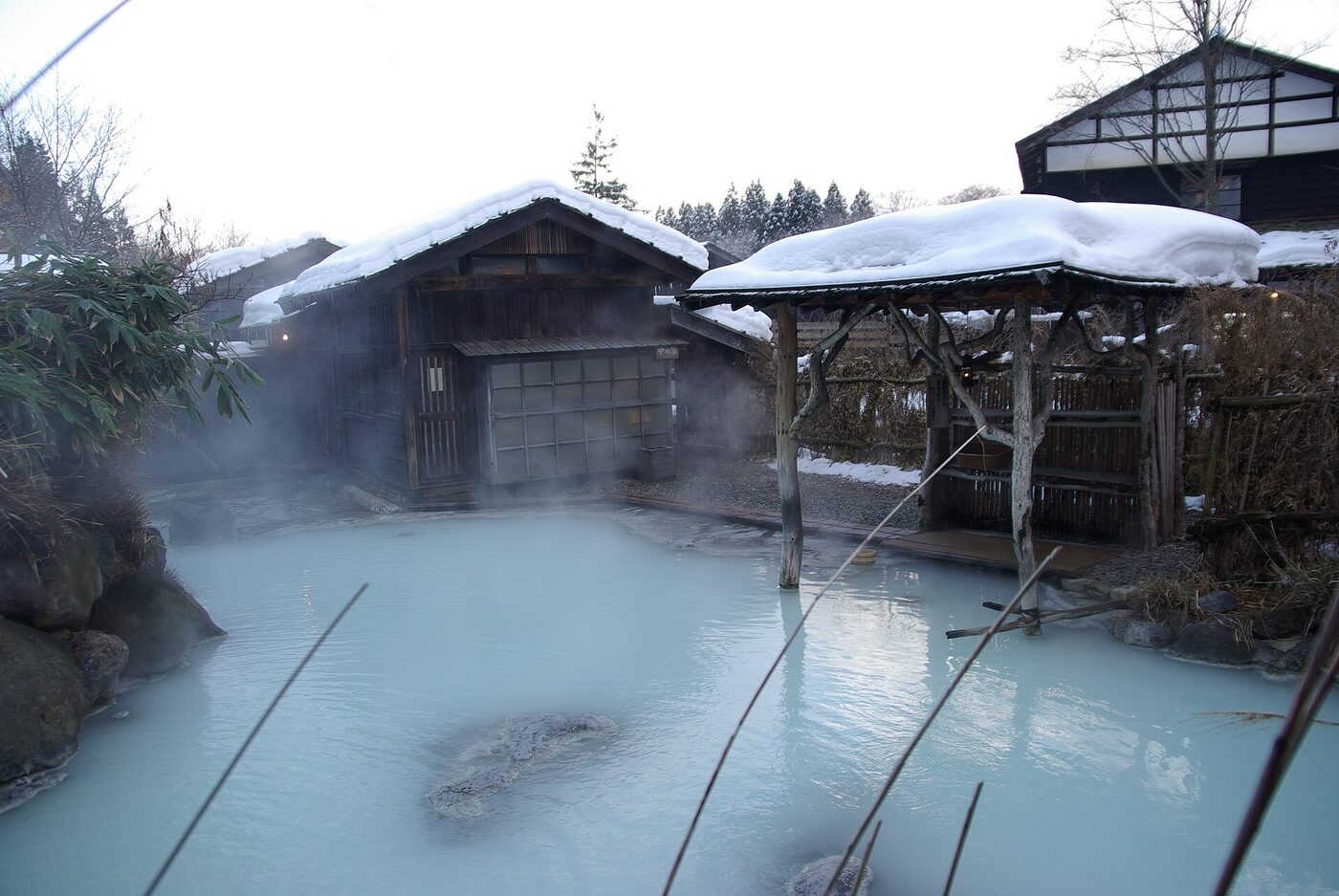
Mixed-gender onsen, known as konyoku, offer a unique and traditional Japanese bathing experience. While less common today, they are still found in rural and mountainous areas, often at historic ryokan. These baths are typically nude, but many facilities now provide special bathing garments or allow towels for modesty, especially for women. It's essential to check each location's specific rules before visiting [1, 2, 3].
What Exactly is Konyoku?
Konyoku represents an older, traditional form of Japanese bathing that is deeply rooted in communal village life and the therapeutic benefits of hot springs [5, 10]. Historically, these bathing areas were a natural part of daily life, allowing people to relax and socialize together in the mineral-rich waters. Today, konyoku are often found in scenic, natural settings, providing a peaceful escape and a connection to Japan's past [2, 5]. The Japanese government has even launched initiatives to help preserve this unique cultural practice, recognizing its historical significance and potential for wider accessibility [12].
Where Can I Find Konyoku?
Mixed-gender onsen are primarily located in rural, traditional, or mountainous regions of Japan, often associated with historic ryokan (traditional inns) [1, 3]. These locations offer a chance to experience onsen in a more natural and less crowded environment. While some are easily accessible, many konyoku are in remote areas, requiring travel by bus or car [7]. However, some facilities provide shuttle services from nearby train stations to assist visitors [7].
What Should I Expect in a Konyoku?
The most significant difference in a konyoku compared to a gender-separated onsen is the presence of both men and women bathing together. Traditionally, this was a nude experience [3]. However, to accommodate a wider range of comfort levels, many modern konyoku now offer or require special bathing garments, known as yuami-gi, which are often provided by the facility [2, 3]. In some cases, guests are permitted to wear a small modesty towel into the bath, though it should not be submerged [3, 4]. It is crucial to research the specific rules of the onsen you plan to visit, as policies can vary significantly [3].
Understanding Konyoku Etiquette
Respect and consideration are key in any onsen, and this is especially true for konyoku. Adhering to proper etiquette ensures a pleasant experience for everyone [4, 11, 18].
Here are some general rules to follow:
- Wash Thoroughly Before Entering: Before you even step into the hot spring bath, you must wash your body and hair thoroughly at the designated washing stations [4, 11, 21]. This is to keep the onsen water clean for everyone.
- Keep Towels Out of the Water: Small modesty towels are often used to walk to and from the bath or for privacy before entering. However, these towels should not be placed in the hot spring water itself [4, 11].
- Manage Your Hair: If you have long hair, it's customary to tie it up or cover it with a small towel to prevent it from falling into the bath water [4, 11].
- Be Mindful of Others: Avoid staring at other bathers. The Japanese term "wani" (crocodile) refers to someone who stares inappropriately. Speaking softly is also appreciated to maintain a peaceful atmosphere [4, 11].
- Respect Private Hours: Many mixed-gender onsen offer specific women-only hours [8]. These times are designed to provide extra comfort and ease for female bathers [7].
Are Tattoos Allowed in Konyoku?
Tattoo policies in Japanese onsen can be complex. Traditionally, many onsen prohibit visible tattoos due to historical associations with organized crime [6, 20]. However, the situation is gradually changing, and some konyoku, particularly those in outdoor, natural settings, are becoming more lenient [6, 23].
- Varied Policies: It's essential to check the specific tattoo policy of each onsen before your visit, as it can vary widely [6].
- Tattoo-Friendly Options: Some konyoku are explicitly tattoo-friendly. For example, Takaragawa Onsen is known to be tattoo-friendly [15, 16].
- Private Baths: If you have tattoos and are concerned about policies, private onsen baths (kashikiri buro) are always a guaranteed tattoo-friendly option, as you will be bathing in a private space [6, 23].
Popular Konyoku Destinations
While the number of konyoku is declining, several notable locations offer this unique experience. These places often combine the charm of traditional bathing with stunning natural scenery [2].
Takaragawa Onsen (Gunma Prefecture)
Takaragawa Onsen is famous for its expansive riverside open-air baths [14, 17]. These baths are mixed-gender, and guests are required to wear provided bathing garments (yuami-gi) [2, 14]. This facility is also known for being tattoo-friendly, making it a welcoming option for a wider range of visitors [15, 16]. The natural setting along the river provides a truly immersive onsen experience [17].
Sukayu Onsen (Aomori Prefecture)
Sukayu Onsen in Aomori Prefecture is home to the massive "Hiba Senninburo" (thousand-person bath) [19, 22]. This historic bath is mixed-gender and has specific women-only hours, typically from 8:00 AM to 9:00 AM, to ensure comfort [8, 19]. Modern regulations may also require women to wear a yuami-gi in this bath [8]. The bath is known for its milky white, acidic sulfate water [22].
Nyuto Onsen (Akita Prefecture)
Nyuto Onsen is a collection of rustic hot spring inns nestled in the mountains of Akita Prefecture [9, 26]. Many of the ryokan here offer mixed-gender baths, often characterized by their milky-white, opaque water [9]. For overnight guests, a "Yumeguri Pass" is available for ¥1,550, allowing access to all seven baths in the village, with shuttle bus service connecting them [9]. This offers a comprehensive way to experience the diverse onsen waters of the area [9].
Cost of Onsen Admission
Day-use admission fees for most onsen, including many konyoku, typically range from approximately ¥600 to ¥1,500 [25]. However, some facilities offer very affordable entry, with prices as low as ¥100, while others might charge over ¥2,000 for a premium experience [25]. The cost often depends on the facilities offered and the popularity of the onsen [25].
Preserving Konyoku Culture
The Japanese government recognizes the cultural importance of konyoku. In 2021, the Ministry of the Environment launched the "Mixed Bathing Project" with the aim of preserving konyoku culture and making it more accessible to a wider audience [12]. This project has included trials of bathing wraps (yuamigi) to help people feel more comfortable participating in mixed-gender bathing [12].
Choosing Your Konyoku Experience
When planning a visit to a konyoku, it's always best to do some research beforehand. Look for information on the specific facility's rules regarding bathing attire, tattoo policies, and any available women-only hours [3, 6, 8]. Many ryokan that offer konyoku also provide accommodation, allowing you to fully immerse yourself in the onsen experience [1, 9].
Browse onsen ryokan stays across Japan on Expedia → Find onsen experiences across Japan on Klook →
Popular onsen towns to stay in
One stay in each of three classic onsen towns, listed on Rakuten Travel, Japan's largest domestic booking site.
- 箱根湯本温泉 伊東園ホテル 箱根湯本 Hakone · ★ 4.0 (671 reviews) · from ¥7,898
- 草津温泉 5種貸切風呂の宿 湯宿 きんだい Kusatsu · ★ 4.4 (548 reviews) · from ¥13,000
- 城崎温泉 しののめ荘 Kinosaki · ★ 3.9 (134 reviews) · from ¥12,900
Links open Rakuten Travel, which is in Japanese — your browser's built-in translation handles the booking pages well. We may earn a commission at no extra cost to you.
Sources
[1] japanko-official.com — https://japanko-official.com/konyoku-onsen-mixed-onsen-in-japan/ [2] japannaturestays.com — https://japannaturestays.com/blog/mixed-bathing-onsen-japan/ [3] e2japan.com — https://e2japan.com/onsen/mixed-gender-onsen-japan [4] gofarther.blog — https://www.gofarther.blog/blog/mixed-onsen-konyoku-in-japan-where-they-still-exist-the-etiquette [5] bespoke-discovery.com — https://blog.bespoke-discovery.com/complete-guide-to-traditional-mixed-onsen-in-japan-konyokua-grown-up-hot-spring-journey-for-quiet-and-wellness [6] japan-atlas.com — https://www.japan-atlas.com/onsen-tattoos-japan/ [7] gaijinpot.com — https://blog.gaijinpot.com/how-does-mixed-gender-bathing-work-in-japan/ [8] thejapanguides.com — https://www.thejapanguides.com/practical/onsen-guide-japan/ [9] his-usa.com — https://www.his-usa.com/destination-japan/akita/nyuto_onsen.html [10] onsenoni.com — https://onsenoni.com/en/guides/konyoku [11] traveljapan-together.com — https://traveljapan-together.com/blog/travel-tips/onsen-etiquette-japan/ [12] newsonjapan.com — https://newsonjapan.com/article/133393.php [14] jeepe.jp — https://www.jeepe.jp/en/articles/takaragawa-onsen-bathing-guide-2444 [15] tattoofriendlyonsen.com — https://www.tattoofriendlyonsen.com/onsen/takaragawa-onsen-osenkaku [16] japanese-onsen.com — https://japanese-onsen.com/ryokans/takaragawa-onsen-osenkaku-japan/ [17] hotspringsguides.com — https://www.hotspringsguides.com/hot-springs/takaragawa-onsen-osenkaku-japan [18] nagano-trip.com — https://nagano-trip.com/etiquette-konyoku/ [19] whereandwander.com — https://whereandwander.com/sukayu-konyoku-mixed-gender-bathing-onsen/ [20] thejapanpro.com — https://www.thejapanpro.com/blog/onsen-etiquette-tattoos/ [21] japan.travel — https://www.japan.travel/en/guide/how-to-best-enjoy-onsen/ [22] aomori-tourism.com — https://aomori-tourism.com/en/spot/detail_16.html [23] japan-dev.com — https://japan-dev.com/blog/tattoo-friendly-onsen [25] alexrockinjapan.com — https://www.alexrockinjapan.com/how-much-is-an-onsen-in-japan-15-examples-from-100-yen/ [26] offbeatjapan.com — https://offbeatjapan.com/nyuto-onsen-tsurunoyu/
Ready to plan your visit?
Prices and slots for popular baths change with the season — check today's availability before you build your itinerary.
Check availability on Klook