Hokkaido Winter Onsen Adventures Without a Car
Planning a relaxing winter onsen trip in Hokkaido without the need to drive in the snow is entirely possible. Several popular onsen towns are easily accessible by direct bus or train from major transport hubs like New Chitose Airport and Sapporo, offering a stress-free way to experience Japan's famous hot springs during the snowy season.
Can I reach Hokkaido's famous onsen towns by public transport in winter?
Yes, you can. Hokkaido's well-developed public transportation network makes it convenient to visit popular onsen destinations even in winter. The key is to choose destinations with direct bus services or easy train connections. This allows you to enjoy the scenic winter landscapes from the comfort of a warm bus or train, avoiding the challenges of driving on snowy roads. For instance, Jozankei Onsen, known for its tranquil atmosphere, is directly accessible by bus from Sapporo [1]. Noboribetsu Onsen, famous for its volcanic hot springs, also offers direct bus routes from New Chitose Airport [6]. Lake Toya Onsen, with its stunning views of the caldera lake, can be reached by bus from Sapporo [13].
Which onsen towns are best for a car-free winter visit?
Three of Hokkaido's most renowned onsen towns are excellent choices for a winter trip without a car: Jozankei Onsen, Noboribetsu Onsen, and Lake Toya Onsen. Each offers unique attractions and is well-connected by public transport.
Jozankei Onsen: The "Backyard of Sapporo"
Jozankei Onsen is a popular hot spring resort nestled in a valley, often referred to as Sapporo's "backyard." It's particularly appealing for those seeking a convenient yet scenic escape. The primary mode of transport to Jozankei Onsen is the Kappa Liner, a direct bus service. This bus departs from Sapporo Station and takes approximately 60 to 75 minutes to reach the onsen town [1]. For those arriving at New Chitose Airport, a direct bus service, the Jozankei Onsen Liner, is also available, with a travel time of about 100 to 120 minutes [1]. This makes it a straightforward destination for both domestic and international travelers.
The waters at Jozankei Onsen are known for their mineral content, primarily sodium chloride springs, with additional sulfur and sodium bicarbonate [4]. These are traditionally believed to be beneficial for skin conditions, anemia, and fatigue. The onsen town itself offers a variety of ryokan (traditional inns) and hotels, many with their own onsen facilities.
Noboribetsu Onsen: A Volcanic Wonderland
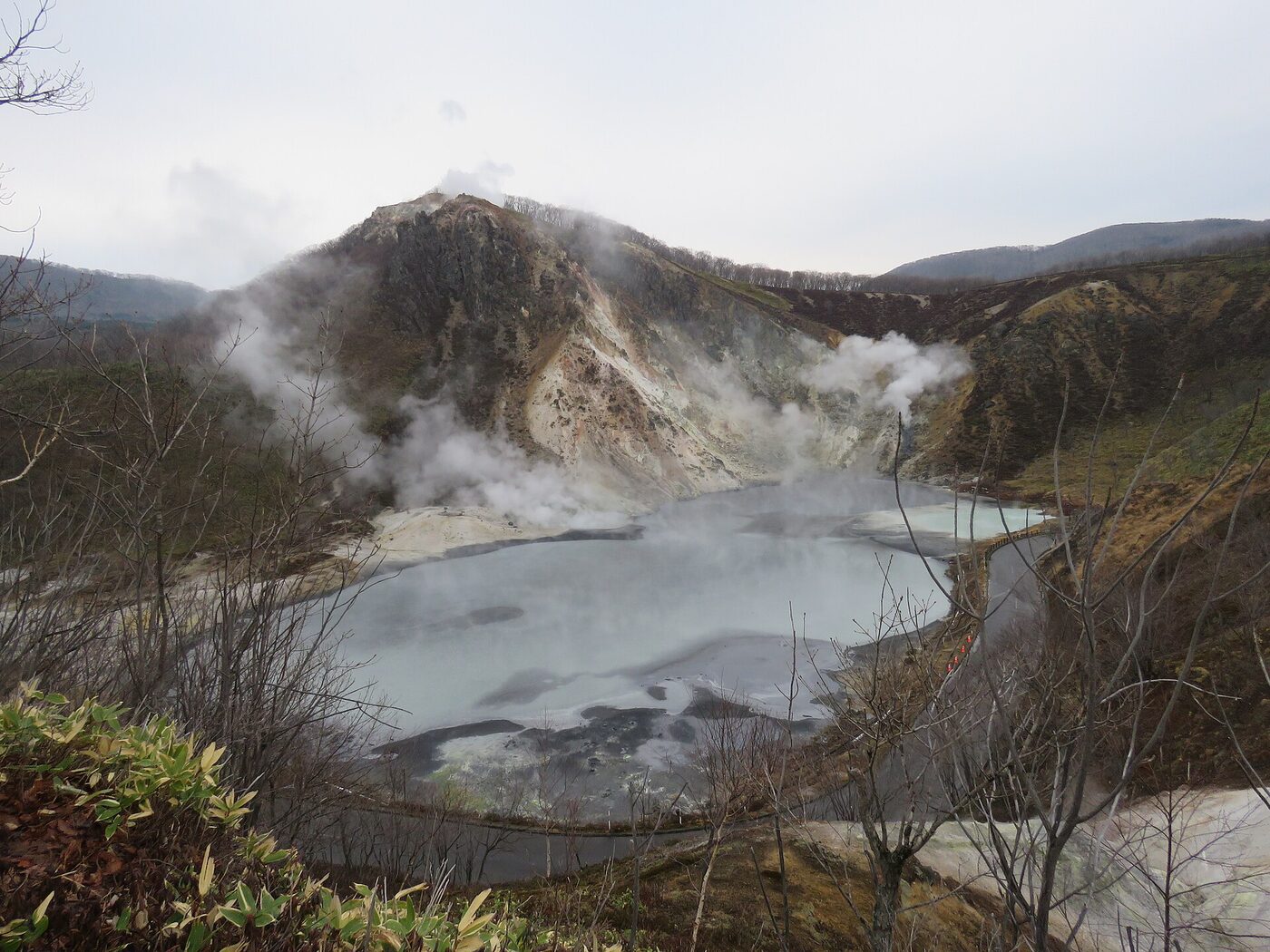
Noboribetsu Onsen is famous for its dramatic volcanic landscapes and an exceptional variety of hot spring waters. It's often called a "hot spring department store" because it boasts nine different types of mineral-rich waters, a rarity in Japan [9]. These waters, including sulfur, salt, and iron springs, originate from the nearby Jigokudani (Hell Valley), a visually striking volcanic hot spring area [9].
Getting to Noboribetsu Onsen from New Chitose Airport is efficient. A direct Donan Bus service takes about 60 to 80 minutes and costs around 2200 yen; reservations are required [6, 8]. Alternatively, you can take a JR train to Noboribetsu Station, which takes approximately 50 to 60 minutes and costs around 3500 yen, followed by a local Donan Bus or taxi to the onsen town (15-20 minutes, 450 yen) [7, 8]. From Sapporo, direct buses are also available.
While Jigokudani is a must-see, be aware that winter conditions might affect access to certain areas. The forest trail leading to the Oyunumagawa natural foot bath, for example, may be closed due to heavy snow [26]. However, the main attractions and the onsen facilities remain accessible.
Lake Toya Onsen: Lakeside Serenity
Lake Toya Onsen offers a picturesque setting on the shores of a beautiful caldera lake. The onsen town is a great place to relax and enjoy winter scenery. To reach Lake Toya Onsen from Sapporo, a direct Donan Bus is available, taking approximately 2 hours and 45 minutes with a one-way fare of 3700 yen; reservations are necessary [13, 14].
It's important to note that JR Toya Station is not directly in the onsen town. From the station, you will need to take a local Donan Bus or a taxi, which takes about 26 minutes to reach the Lake Toya Onsen area [12, 15].
During the winter months, from January 4 to February 25, the "I-PASS Toya Travel Winter Bus" operates, offering unlimited rides within a specific area around Lake Toya and providing discounts for local sightseeing attractions [27]. This can be a very convenient option for exploring the area without a car.
How do I travel between these onsen towns if I want to visit more than one?
While direct travel between all these onsen towns without returning to a major hub might be complex, it's generally feasible to visit them sequentially by using Sapporo or New Chitose Airport as a base. For example, you could spend a few days in Jozankei Onsen, then take a bus back to Sapporo and connect to a bus or train heading towards Noboribetsu Onsen. Similarly, you could travel from Noboribetsu to Lake Toya.
Here’s a comparison of access from Sapporo and New Chitose Airport:
| Onsen Town | Access from Sapporo Station | Access from New Chitose Airport |
|---|---|---|
| Jozankei Onsen | Kappa Liner direct bus (60-75 min, ~1000 yen, reservations required) [1] | Jozankei Onsen Liner direct bus (100-120 min) [1] |
| Noboribetsu Onsen | Direct bus (reservations required) [7] | Direct Donan Bus (60-80 min, ~2200 yen, reservations required) [6, 8] OR JR train to Noboribetsu Station (50-60 min, ~3500 yen) + local bus (15-20 min, 450 yen) [7, 8] |
| Lake Toya Onsen | Direct Donan Bus (2 hr 45 min, 3700 yen, reservations required) [13, 14] | JR train to Toya Station (approx. 1 hr 30 min) + local bus/taxi (26 min) [12, 16] OR direct bus services may be available depending on the season and operator. |
What are the essential onsen etiquette rules for a respectful experience?
Understanding and following onsen etiquette is crucial for a pleasant and respectful experience. In most public onsen in Japan, complete nudity is required in the gender-separated bathing areas [17, 18]. Before entering the main bath, it is essential to thoroughly wash your body at the provided shower stations. This ensures cleanliness for everyone using the hot spring water [17, 20].
Tattoos can be a point of concern for many visitors. Historically, tattoos have been associated with organized crime in Japan, leading to prohibitions in many public onsen [21]. However, policies are gradually changing, and some establishments are becoming more welcoming. If you have tattoos, it's advisable to check the specific policy of the onsen you plan to visit. Options for tattooed individuals include utilizing private onsen baths, which are available at many ryokan and hotels, or seeking out onsen that explicitly welcome tattooed guests. Hoheikyo Onsen in the Jozankei area and Dai-ichi Takimotokan in Noboribetsu are known to be more accommodating [22, 23].
What should I pack for a winter onsen trip in Hokkaido?
When packing for a winter onsen trip in Hokkaido, consider the cold weather and the onsen experience itself.
For the cold:
- Warm layers: Thermal base layers, sweaters, fleece jackets, and a warm, waterproof outer coat are essential.
- Waterproof pants: Crucial for staying dry and warm when walking around snowy outdoor areas.
- Warm hat, gloves, and scarf: Protect extremities from the cold.
- Waterproof, insulated boots: With good grip for walking on icy or snowy surfaces.
- Warm socks: Wool or thermal socks are recommended.
For the onsen:
- Swimsuit (optional): While most public onsen require nudity, some private baths or specific facilities might allow swimsuits. It's best to check beforehand.
- Small towel: Many onsen provide towels, but having a small personal one for washing or drying your face can be convenient. Larger towels are usually available for rent or included with accommodation.
- Toiletries: While most accommodations provide basic toiletries, you might prefer to bring your own shampoo, conditioner, and body wash.
- Moisturizer: The hot water and cold air can dry out your skin, so a good moisturizer is helpful.
- Plastic bag: For wet swimsuits or towels.
Other essentials:
- Portable charger: For keeping your devices powered, especially if you're using them for navigation or photos in the cold.
- Camera: To capture the beautiful winter scenery.
- Book or entertainment: For relaxing during travel or downtime.
Remember that most ryokan and hotels will provide yukata (light cotton kimonos) for use within the premises and for traveling between your room and the onsen.
Can I enjoy winter activities alongside my onsen visit?
Absolutely! Hokkaido in winter offers a wealth of activities that can perfectly complement your onsen experience. Since you're traveling without a car, focus on activities accessible from your chosen onsen town or via local transport.
Near Jozankei Onsen: While Jozankei itself is more focused on relaxation, its proximity to Sapporo means you can easily combine your trip with city activities. Sapporo offers attractions like the Sapporo Snow Festival (if your visit coincides with early February), museums, and shopping.
Near Noboribetsu Onsen: The main draw here is Jigokudani (Hell Valley), which is accessible on foot from the onsen town. Even in winter, the steaming vents and colorful landscape are a spectacular sight. Some hotels in Noboribetsu might offer shuttle services to local attractions.
Near Lake Toya Onsen: Lake Toya is stunning in winter. You can enjoy leisurely walks along the lakeside promenade, taking in the frozen scenery. The "I-PASS Toya Travel Winter Bus" [27] can help you explore the area, potentially visiting viewpoints or local craft shops. Some hotels may also offer winter activities like snowshoeing or guided walks.
By planning your transport carefully and choosing destinations with good public access, a magical winter onsen trip in Hokkaido without driving is well within reach.
Popular onsen towns to stay in
One stay in each of three classic onsen towns, listed on Rakuten Travel, Japan's largest domestic booking site.
- 箱根湯本温泉 伊東園ホテル 箱根湯本 Hakone · ★ 4.0 (648 reviews) · from ¥9,548
- 草津温泉 5種貸切風呂の宿 湯宿 きんだい Kusatsu · ★ 4.4 (542 reviews) · from ¥13,000
- 城崎温泉 しののめ荘 Kinosaki · ★ 3.9 (128 reviews) · from ¥12,900
Links open Rakuten Travel, which is in Japanese — your browser's built-in translation handles the booking pages well. We may earn a commission at no extra cost to you.
Sources
[1] kosokubus.com — https://www.kosokubus.com/en/special/jozankei.html [4] visit-hokkaido.jp — https://www.visit-hokkaido.jp/en/spa/spot/detail_10613.html [6] donanbus.co.jp — https://www.donanbus.co.jp/map/newchitose_airport/?hp_lang=en [7] selected-ryokan.com — https://selected-ryokan.com/guide/new-chitose-airport-sapporo-hakodate-to-noboribetsu-onsen-access.html [8] todolist-japan.com — https://todolist-japan.com/en/new-chitose-airport-to-noboribetsu/ [9] japan.travel — https://www.japan.travel/en/spot/1907/ [12] laketoya.com — https://www.laketoya.com/en/access/ [13] todolist-japan.com — https://todolist-japan.com/en/sapporo-to-lake-toya-transportation/ [14] donanbus.co.jp — https://www.donanbus.co.jp/map/sap_toyako/?hp_lang=en [15] nl-hokkaido.com — https://nl-hokkaido.com/guides/lake-toya-guide [16] selected-ryokan.com — https://selected-ryokan.com/guide/new-chitose-airport-sapporo-hakodate-to-lake-toya-onsen-access.html [17] hokkaido-adventures.com — https://hokkaido-adventures.com/onsen-etiquette-guide/ [18] casatours.com — https://casatours.com/gomezs-gaijin-guide-japan-onsen-etiquette/ [20] sapporo.travel — https://www.sapporo.travel/en/info/useful_information/how-to-bathe-at-an-onsen/ [21] haniseoul.com — https://www.haniseoul.com/travels/japan/tattoo-friendly-onsen-japan-list [22] campinjapan.com — https://www.campinjapan.com/blog/tattoo-friendly-onsen-hokkaido [23] shantitravel.com — https://www.shantitravel.com/en/guide-travel-japan/tattoo-friendly-onsen [26] selfguidejapan.com — https://selfguidejapan.com/blog/noboribetsu-onsen [27] laketoya.com — https://www.laketoya.com/en/event/winterbus/
Ready to plan your visit?
Prices and slots for popular baths change with the season — check today's availability before you build your itinerary.
Check availability on Klook