Obon Holiday Onsen Towns: Navigating August Crowds and Booking Tips
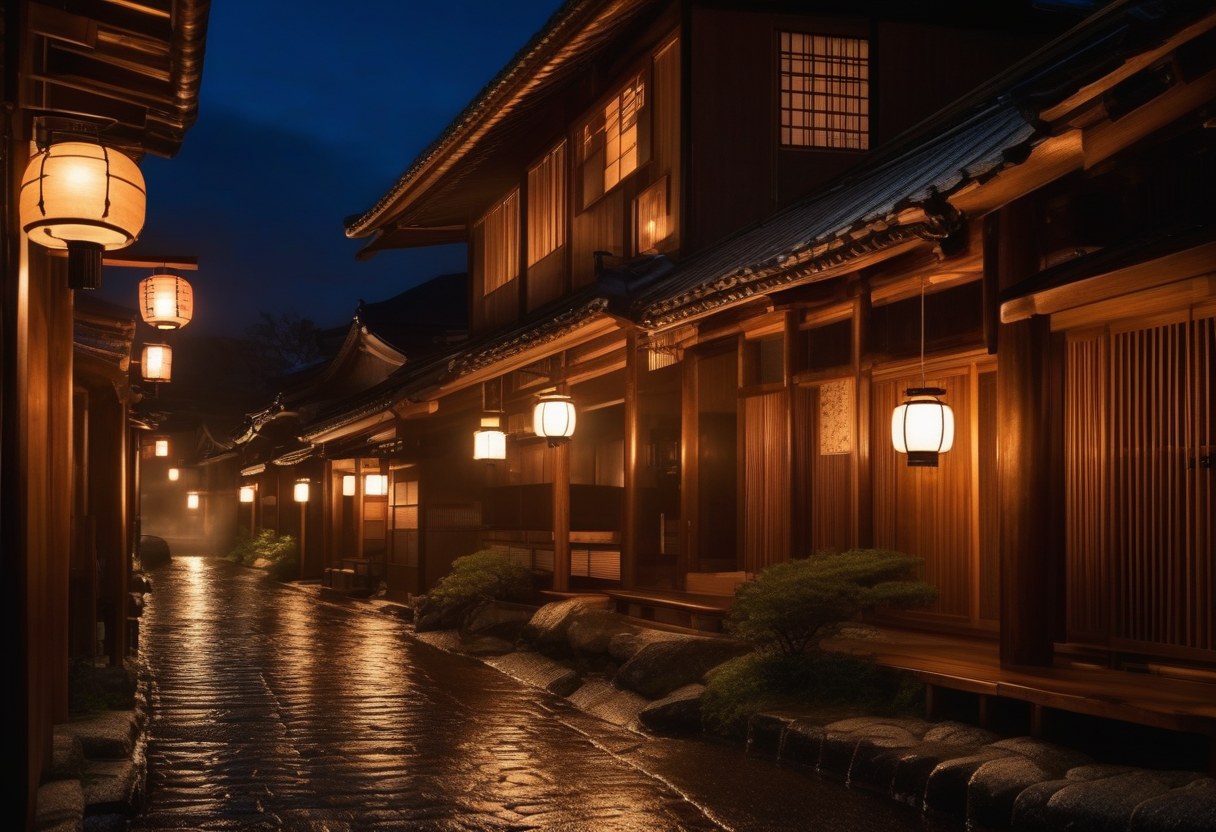
Planning a relaxing onsen getaway in Japan during the Obon holiday in August? Be prepared for significant crowds. Obon is one of Japan's busiest travel periods, with millions of people traveling to visit family and enjoy holidays. This means popular onsen towns will be exceptionally busy, and booking accommodation and transportation well in advance is crucial.
The core Obon holiday period in Japan typically falls between August 13th and 16th [1]. However, the travel rush often begins earlier and can extend beyond these dates, with many people taking extended leave from around August 8th to August 16th [3, 4]. This concentrated period of travel leads to a surge in demand across the country, impacting everything from train tickets to hotel rooms. During Obon, you can expect higher hotel demand, crowded stations and airports, limited availability on Shinkansen (bullet trains), longer waits at popular attractions, and increased prices for both accommodation and transport [2].
When Does Obon Travel Peak?
While the official Obon holiday is a specific few days in mid-August, the impact on travel and crowds is felt for a longer duration. The busiest period for domestic travel, which includes Obon, generally spans from the first week of August through to the middle of the month [3]. This means that even if you plan your trip just before or after the exact 13th-16th August dates, you are likely to encounter higher numbers of travelers. For instance, in 2026, the peak travel crunch for Obon is expected to run from August 7th to August 16th [5]. This extended period of high demand means that popular onsen destinations will experience a sustained influx of visitors.
How Crowded Are Popular Onsen Towns During Obon?
Popular onsen towns are particularly attractive destinations during summer holidays, and Obon is no exception. These charming towns, often nestled in scenic natural settings, become focal points for both domestic tourists seeking relaxation and international visitors experiencing Japanese culture.
Hakone, a well-known onsen resort area near Tokyo, experiences its peak tourist season and massive domestic crowds during Obon week in mid-August [10, 11]. The sheer volume of visitors means that daytime onsen sessions can be quite busy. For those seeking a more tranquil experience, opting for evening onsen sessions might offer a slightly less crowded atmosphere [11].
Kusatsu Onsen, located in a cooler highland area, is another popular choice, especially for those looking to escape the summer heat of cities like Tokyo. It draws its largest crowds in July and August, with a significant increase during the mid-August Obon holidays and on weekends [12, 13].
Kurokawa Onsen in Kyushu is also known to fill up considerably in August [14]. Travelers planning to visit this picturesque onsen town should be aware that August is a peak month. To avoid the heaviest crowds, it is advisable to book far in advance or aim for the fringes of the month, such as early August or the last week, or to plan visits for midweek days [14].
Kinosaki Onsen, famous for its seven public bathhouses, also sees a considerable increase in visitors during Obon. While the town's layout and the availability of multiple onsen can help distribute crowds, it is still a very popular destination during this holiday period.
Booking Your Onsen Stay: How Far in Advance?
Given the high demand during Obon, booking your accommodation well in advance is not just recommended; it's essential. For popular onsen towns like Hakone, Kinosaki, Yufuin, and Beppu, hotels and ryokans (traditional Japanese inns) can be fully booked by May for the August Obon period [9]. This means that by the time summer arrives, securing a room can be extremely difficult.
A general guideline for booking during peak seasons like Obon is to plan 2 to 4 months ahead [9]. For example, if you are planning a trip for mid-August, you should ideally be looking to book your accommodation by April or May at the latest. For particularly sought-after ryokans or hotels in very popular onsen towns, even earlier booking might be necessary.
Navigating Shinkansen Travel During Obon
Traveling by Shinkansen to reach your chosen onsen town can also be challenging during Obon due to the high volume of passengers. Many people use the bullet train to travel between major cities and then connect to local transport.
During the peak Obon period, all Nozomi trains on the Tokaido and Sanyo Shinkansen lines operate with 100% reserved seating [7]. This means that non-reserved seats are suspended, and you must have a reserved ticket to board these trains. For instance, in 2026, this policy is in effect from August 7th to August 16th [7]. It is crucial to book your Shinkansen tickets as early as possible, as they can sell out quickly, especially for popular routes and times.
Tattoo Policies in Onsen Towns
For travelers with tattoos, understanding onsen policies is important. Japan has no national law banning tattoos in onsen; however, individual facilities have their own rules [15]. These policies can range from being completely tattoo-friendly to prohibiting tattoos entirely, even if they are covered [15].
If you have tattoos, it is wise to research the specific onsen you plan to visit. Some onsen towns are known for being more accommodating. For example, the public baths in Kinosaki Onsen and the town baths in Kusatsu Onsen are generally considered more welcoming to tattooed individuals [16]. Many facilities in Hakone also have varying policies, so checking their individual websites or contacting them directly is recommended [11, 16].
If you encounter a facility with a strict no-tattoo policy, there are still options. For smaller tattoos, waterproof patches can be used to cover them [16]. Alternatively, many onsen ryokans offer private baths, known as kashikiriburo, which can be booked for personal use and are generally exempt from tattoo restrictions [16, 17].
Essential Onsen Etiquette for a Smooth Visit
Regardless of the crowd levels, understanding and practicing onsen etiquette is key to a respectful and enjoyable experience [18]. Here are some fundamental rules:
- Undress completely in the gender-separated changing rooms.
- Wash and rinse your body thoroughly at the shower stations before entering the communal bath. This is a crucial step to keep the bathwater clean [20, 21].
- Keep your small towel out of the bathwater. It can be placed on your head or on the side of the bath [18, 22].
- Ensure long hair is tied up and does not come into contact with the bathwater [21].
- Avoid splashing or swimming in the onsen baths; they are for soaking and relaxation [20, 23].
- Be mindful of noise levels and avoid disruptive behavior [22].
Onsen are natural hot spring baths that must meet specific criteria, including a minimum temperature of 25°C and the presence of dissolved minerals, which are believed to offer therapeutic benefits [24]. By adhering to etiquette, you contribute to a pleasant experience for everyone.
Mitigating Crowds: Alternative Strategies
If the thought of navigating peak Obon crowds in popular onsen towns feels overwhelming, consider these strategies:
- Visit less famous onsen towns: While Hakone and Kusatsu are popular, Japan has countless smaller, less-known onsen destinations that offer a more tranquil experience. Researching regional onsen guides can reveal hidden gems.
- Travel midweek: If your schedule allows, visiting onsen towns on weekdays, outside of the core Obon dates, can significantly reduce crowd levels.
- Book private baths: As mentioned, private onsen (kashikiriburo) offer an intimate and crowd-free experience, allowing you to enjoy the hot springs at your own pace [16, 17].
- Consider early morning or late evening visits: Even in busy areas, the very early morning or later evening hours can sometimes offer a more peaceful soak, especially if you are staying at a ryokan with onsen facilities [11].
Onsen Town Crowd Levels: A Comparison
To help visualize the potential crowd levels, here's a general comparison of how popular onsen towns might fare during Obon:
| Onsen Town | August Obon Crowd Level | Booking Recommendation | Notes |
|---|---|---|---|
| Hakone | Very High | Book 4-6 months in advance | Peak season, massive domestic crowds. Evening soaks may be more comfortable. [10, 11] |
| Kusatsu Onsen | Very High | Book 3-5 months in advance | Draws biggest crowds in July/August, especially during Obon. [12, 13] |
| Kurokawa Onsen | High | Book 3-5 months in advance, aim for weekdays/fringes | Genuinely fills up. Consider early Aug, late Aug, or midweek for fewer people. [14] |
| Kinosaki Onsen | High | Book 3-4 months in advance | Popular for its public baths. Can be busy, but multiple bathhouses help distribute visitors. [9] |
| Yufuin | High | Book 3-4 months in advance | A popular destination, especially for its scenic beauty and art galleries. [9] |
| Beppu | High | Book 3-4 months in advance | Known for its "Hells of Beppu" and diverse onsen experiences. [9] |
Note: Crowd levels are relative and can fluctuate based on specific dates and local events.
Planning your onsen trip during the Obon holiday requires foresight and flexibility. By understanding the peak travel times, booking well in advance, and being aware of potential crowd levels, you can still enjoy a wonderful and relaxing onsen experience in Japan.
Popular onsen towns to stay in
One stay in each of three classic onsen towns, listed on Rakuten Travel, Japan's largest domestic booking site.
- 箱根湯本温泉 伊東園ホテル 箱根湯本 Hakone · ★ 4.0 (671 reviews) · from ¥7,898
- 草津温泉 5種貸切風呂の宿 湯宿 きんだい Kusatsu · ★ 4.4 (548 reviews) · from ¥13,000
- 城崎温泉 しののめ荘 Kinosaki · ★ 3.9 (134 reviews) · from ¥12,900
Links open Rakuten Travel, which is in Japanese — your browser's built-in translation handles the booking pages well. We may earn a commission at no extra cost to you.
Sources
[1] belongingjapan.com — https://www.belongingjapan.com/culture/what-and-when-is-obon-holiday-in-japan/ [2] travelodgehotels.asia — https://travelodgehotels.asia/travel-guide/travel-tips-during-obon-season/ [3] roamjapan.com — https://roamjapan.com/blog/obon-festival-japan/ [4] japanflowai.com — https://www.japanflowai.com/japan-obon-guide [5] selfguidejapan.com — https://selfguidejapan.com/blog/japan-obon-2026 [7] selfguidejapan.com — https://selfguidejapan.com/blog/shinkansen-obon-2026 [9] japanryokanguide.com — https://www.japanryokanguide.com/en/blog/when-to-book-ryokan-japan [10] takeoff.to — https://www.takeoff.to/when-to-visit/hakone-in-august [11] hakonenavi.jp — https://www.hakonenavi.jp/international/en/crowd_forecast [12] sanpo.travel — https://www.sanpo.travel/en/kusatsu/faq/best-time-to-visit [13] japanactivity.com — https://japanactivity.com/best-time-to-visit-kusatsu-onsen [14] kurokawaonsen.com — https://kurokawaonsen.com/guides/kurokawa-in-summer [15] thejapanpro.com — https://www.thejapanpro.com/blog/onsen-etiquette-tattoos/ [16] shantitravel.com — https://www.shantitravel.com/en/guide-travel-japan/tattoo-friendly-onsen [17] thejapanode.com — https://thejapanode.com/guides/japan-onsen-etiquette-tattoo-guide [18] japan.travel — https://www.japan.travel/en/guide/how-to-best-enjoy-onsen/ [20] oita-tourism.com — https://oita-tourism.com/en/onsenStories/onsen-etiquette [21] islands.com — https://www.islands.com/2310457/japanese-onsen-etiquette-rules-first-time-visitors/ [22] selfguidejapan.com — https://selfguidejapan.com/blog/japan-onsen-etiquette [23] banyantree.com — https://www.banyantree.com/japan/kyoto/experiences/onsen-and-hot-spring-etiquette-in-japan [24] japan.travel — https://www.japan.travel/en/guide/onsen/
Ready to plan your visit?
Prices and slots for popular baths change with the season — check today's availability before you build your itinerary.
Check availability on Klook