Best Onsen Towns Near Tokyo for Car-Free Relaxation
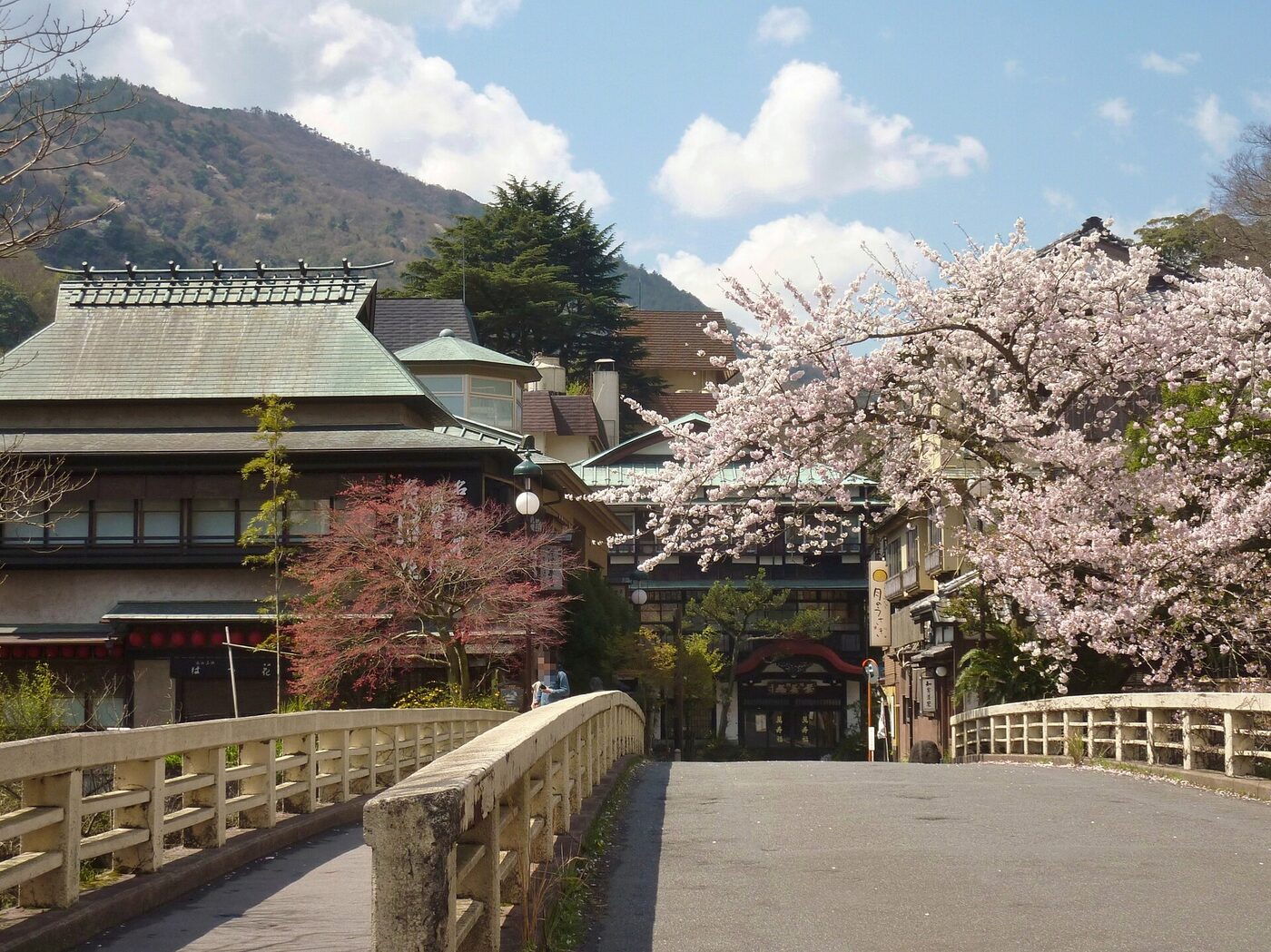
For travelers in Tokyo seeking a relaxing onsen experience without a car, Hakone and Atami are excellent choices. Both offer easy train access from the city and a variety of hot spring resorts and attractions.
Discovering Hakone: An Onsen Paradise Near Tokyo
Hakone is a popular mountain resort town easily reached from Tokyo, famous for its stunning natural beauty and abundant hot springs [1]. It's often described as an "onsen theme park" due to the variety of its hot spring waters and the numerous bathing facilities available [4].
Getting to Hakone from Tokyo
The most convenient way to reach Hakone from Tokyo without a car is by taking the Odakyu Romancecar. This comfortable limited express train departs from Shinjuku Station and arrives at Hakone-Yumoto Station in approximately 85 minutes [1]. For a more comfortable journey, an additional limited express ticket is required for the Romancecar, costing around 1,200 yen one-way [3].
The Hakone Free Pass: Your Key to Car-Free Exploration
To make exploring Hakone even easier and more affordable, the Hakone Free Pass is highly recommended [1]. This pass offers unlimited travel on eight different modes of transportation within the Hakone area, including trains, cable cars, ropeways, buses, and sightseeing cruises on Lake Ashi [5]. It also provides discounts at over 70 attractions, museums, restaurants, and onsen facilities [1]. A 2-day Hakone Free Pass purchased from Shinjuku costs 7,100 yen for adults [3].
Hakone's Diverse Onsen Experiences
Hakone's hot springs are known for their variety, with different types of water offering unique benefits. You can find alkaline simple hot springs, which are said to leave skin feeling smooth, as well as sulfur springs and chloride springs [4]. This diversity allows visitors to choose an onsen that best suits their preferences.
When visiting public onsen, it's important to follow standard etiquette. This includes completely undressing in the changing room, thoroughly washing and rinsing your body before entering the communal bath, keeping towels and hair out of the bathwater, maintaining a quiet atmosphere, and drying off before returning to the changing room [7].
Navigating Tattoo Policies in Hakone
Many onsen facilities in Hakone have varying policies regarding tattoos. While some public baths may prohibit visible tattoos, private hot spring baths are often available as an alternative [4]. It's advisable to check the specific policy of the onsen you plan to visit, as some locations are more tattoo-friendly than others [4].
Browse Hakone ryokan & hotel deals on Expedia →
Beyond the Baths: Hakone's Scenic Attractions
Hakone offers more than just hot springs. On clear days, you can enjoy picturesque views of Mt. Fuji [8]. Taking a cruise on Lake Ashi provides stunning scenery, and a ride on the Hakone Ropeway offers a unique perspective, including views of the volcanically active Owakudani, also known as the "Great Boiling Valley" [9].
Exploring Atami: A Coastal Onsen Town
Atami is another excellent onsen destination easily accessible from Tokyo, known for its beautiful coastline and relaxing hot springs [11]. It's a popular choice for both day trips and overnight stays.
Reaching Atami from Tokyo
Atami is remarkably easy to reach from Tokyo. The Tokaido Shinkansen (Kodama service) can take you from Tokyo Station to Atami Station in approximately 45 minutes [11]. This makes it a convenient option for a quick escape from the city.
The Healing Waters of Atami
Atami's hot springs are predominantly chloride springs [12]. These waters are known for their ability to retain heat well, leaving the skin feeling smooth and moisturized, which has earned them the nickname "beauty waters" [12]. The town's most famous hot spring, Hashiriyu, is an ancient spring that has been gushing from a cave for over 1300 years [13].
Atami's Ocean Views and Festivals
A significant draw of Atami is its stunning ocean views [13]. The town also hosts the Atami Marine Fireworks Festival throughout the year, which illuminates the night sky over the bay [13].
Find Atami onsen tickets & tours on Klook →
Tattoo Policies in Atami
Similar to Hakone, Atami's onsen facilities have varying tattoo policies. Traditional public baths might not permit visible tattoos. However, many private bath facilities are available and are more accommodating to tattooed guests [14]. Some establishments may allow small tattoos (postcard-sized or smaller) without covering, or if they are covered with designated stickers [14].
Browse Atami ryokan & hotel deals on Expedia →
Comparing Hakone and Atami for Your Onsen Trip
Both Hakone and Atami offer fantastic onsen experiences accessible without a car. Here's a quick comparison to help you decide:
| Feature | Hakone | Atami |
|---|---|---|
| Travel Time | Approx. 85 minutes by Odakyu Romancecar from Shinjuku [1] | Approx. 45 minutes by Shinkansen from Tokyo Station [11] |
| Primary Appeal | Mountain scenery, diverse onsen types, extensive transportation network (Hakone Free Pass), Mt. Fuji views [1, 4, 8] | Coastal scenery, ocean views, "beauty waters" (chloride springs), fireworks festivals [11, 12, 13] |
| Transportation | Hakone Free Pass covers trains, cable cars, ropeways, buses, and boats [5] | Primarily walking and local buses within Atami; Shinkansen for arrival/departure [11] |
| Tattoo Policies | Varies; private baths often available, some tattoo-friendly locations [4] | Varies; private baths common, some allow small or covered tattoos [14] |
| Activities | Lake Ashi cruise, Hakone Ropeway, Owakudani, museums, hiking [8, 9] | Beach, Atami Castle, MOA Museum of Art, coastal walks [13, 31] |
| Onsen Water Types | Alkaline simple, sulfur, chloride [4] | Primarily chloride springs [12] |
Planning Your Car-Free Onsen Getaway
When planning your trip, consider what kind of experience you're looking for. If you enjoy a variety of landscapes and activities beyond just soaking in hot springs, Hakone might be ideal. The comprehensive Hakone Free Pass makes it incredibly easy to explore the region without needing to worry about driving.
If a relaxing coastal atmosphere with beautiful ocean views and the allure of "beauty waters" appeals to you, Atami is a wonderful choice. Its shorter travel time from Tokyo also makes it perfect for a day trip or a shorter overnight stay.
Remember to check the specific onsen facilities for their policies on tattoos and to book accommodations and train tickets in advance, especially during peak travel seasons. Both Hakone and Atami offer a rejuvenating escape into Japan's cherished onsen culture, all easily accessible from the bustling heart of Tokyo.
Where to stay in Tokyo
Onsen hotels and ryokan in Tokyo listed on Rakuten Travel, Japan's largest domestic booking site.
- 亀島川温泉 新川の湯 ドーミーイン東京八丁堀 ★ 4.4 (6,828 reviews) · from ¥8,362
- 東京 奥多摩温泉 おくたま路 (2026年7月リニューアルオープン) ★ 4.5 (417 reviews) · from ¥20,700
- 東京・湯河原温泉 万葉の湯 ★ 4.3 (635 reviews) · from ¥9,975
Links open Rakuten Travel, which is in Japanese — your browser's built-in translation handles the booking pages well. We may earn a commission at no extra cost to you.
Sources
[1] modernlivingjapan.com — https://modernlivingjapan.com/en/blog/top-10-onsen-day-trips-within-2-hours-of-tokyo [3] japanrailpassnow.com — https://www.japanrailpassnow.com/regional-passes/hakone-free-pass/ [4] japan-experience.com — https://www.japan-experience.com/transportation/regional-passes/tokyo-mount-fuji/hakone-free-pass [5] hakone-japan.com — https://hakone-japan.com/plan-your-trip/getting-around/hakone-freepass/ [7] navitime.com — https://japantravel.navitime.com/en/area/jp/guide/NTJjtg2602009-en/ [8] hakone-japan.com — https://hakone-japan.com/things-to-do/onsen/ [9] hakone-japan.com — https://hakone-japan.com/things-to-do/onsen/an-onsen-guide/japanese-hot-springs-and-hakone-17-onsen/ [11] site-translation.com — https://en-1075.site-translation.com/hakone/specialcontents/spa/ [12] thegate12.com — https://thegate12.com/article/206 [13] princehotels.com — https://www.princehotels.com/the-prince-hakone/news/information-for-onsen/ [14] hakone-japan.com — https://hakone-japan.com/plan-your-trip/stories/helpful-info/onsen-and-tattoos/ [31] moaart.or.jp — https://www.moaart.or.jp/en/guide/atami/onsen/
Ready to plan your visit?
Prices and slots for popular baths change with the season — check today's availability before you build your itinerary.
Check availability on Klook