Hakone vs Kusatsu: Which Onsen Town Should You Visit?
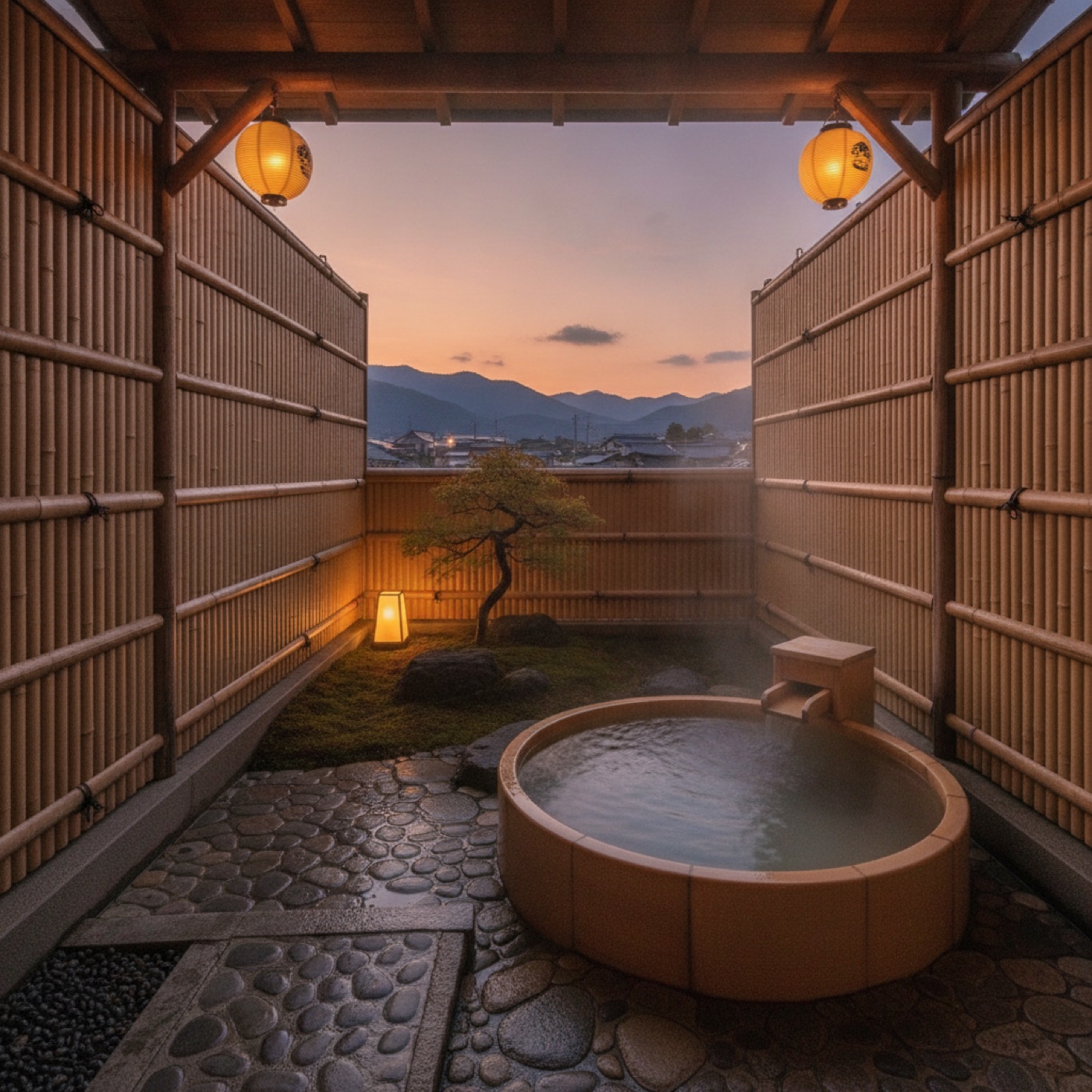
Deciding between Hakone and Kusatsu for your onsen experience can be a delightful dilemma, especially when time is a precious commodity. Both are celebrated onsen towns, each offering a distinct flavor of Japan's therapeutic bathing culture. To help you make the perfect choice for your itinerary, let's explore what sets them apart.
Why Are Hakone and Kusatsu the Top Onsen Contenders?
What Makes Hakone So Popular?
Hakone is a perennial favorite, and for good reason. Nestled within the Fuji-Hakone-Izu National Park, it's conveniently located less than 100 kilometers from Tokyo [1]. This proximity makes it an incredibly popular escape for both Japanese and international tourists seeking a refreshing break from the bustling capital [1]. Its status is further cemented by its ranking as the #10 most visited destination out of 209 in Japan, according to japan-guide [1].
What Makes Kusatsu Famous?
Kusatsu, situated at a higher altitude of 1,200 meters in the mountains of Gunma Prefecture, is renowned as one of Japan's most famous hot spring resorts [2]. While it ranks #55 among Japan's most visited destinations, it offers a less crowded experience compared to Hakone [2]. Its therapeutic waters gained international recognition in the late 1800s when a German imperial court physician promoted their healing properties [2].
How Easy Is It to Get There from Tokyo?
Hakone: The Quick and Convenient Choice
For travelers prioritizing ease and speed, Hakone is the clear winner. The Odakyu Limited Express Romancecar whisks you from Shinjuku Station in Tokyo directly to Hakone-Yumoto in approximately 80 minutes [3]. To maximize your exploration and minimize hassle, consider the Hakone Freepass. Starting at ¥7,100 for a 2-day pass, it covers your round-trip transport from Shinjuku to Odawara and offers unlimited use of various local transport options within Hakone, including trains, cable cars, ropeways, and even sightseeing cruises on Lake Ashi [4].
Get the Hakone Freepass on Klook →
Kusatsu: The Scenic Journey
The journey to Kusatsu is a bit more involved but rewards you with scenic views. You'll take the JR Limited Express Kusatsu-Shima from Ueno Station in Tokyo to Naganohara-Kusatsuguchi, a trip that takes about 2 hours and 20 minutes. From there, a 25-minute bus ride will bring you to the heart of Kusatsu Onsen. The total travel time is around 3 hours each way, so an early start is essential if you're planning a day trip [5]. The JR TOKYO Wide Pass, priced at ¥16,000 for 3 days, can cover the rail portion of your journey to Naganohara-Kusatsuguchi, offering good value if you plan to explore other JR East areas as well [6].
What Kind of Onsen Water Can You Expect?
Kusatsu: The Power of One Signature Water
Kusatsu is celebrated for its exceptionally potent and abundant hot spring waters. The town boasts the largest output of natural hot spring waters in Japan, with over 32,000 liters gushing out every minute, meaning the water is always fresh and never diluted or reheated [8]. Its waters are highly acidic, with pH values ranging from 1.7 to 2.1, and rich in sulfur, aluminum sulfate, and chloride [7]. This high acidity provides a powerful antibacterial effect [8].
The iconic Yubatake, or "hot water field," in the town center is a designated cultural property and a mesmerizing sight, yielding about 5,000 liters of water per minute [9]. Here, water emerges at over 70 degrees Celsius with a distinct sulfurous aroma [10]. The sulfuric sediment, known as yunohana, is collected and sold as a unique bath salt [10]. Kusatsu's municipal baths are fed by distinct sources; for instance, Otakinoyu utilizes the Nikawa source, offering 100% natural, free-flowing water [11]. A traditional practice you can witness is "Yumomi," where water is stirred with wooden paddles to cool it to bathing temperature without dilution, preserving its therapeutic qualities [12]. Otakinoyu also preserves the rare "awase-yu" tradition, featuring a series of baths with gradually increasing temperatures from 38 to 46 degrees Celsius, naturally cooled [13].
Hakone: A Symphony of Diverse Waters
Hakone offers a different kind of onsen experience, characterized by its sheer diversity. The area is supplied by 17 distinct hot springs, each contributing to the unique character of its various districts [14]. Hakone-Yumoto alone has 74 spring sources, Gora has 30, and Kowakudani has 22 [14]. This abundance results in roughly 20 different water-quality classifications, including simple alkaline, sodium-chloride, sulfate, and sulfur-containing springs [14]. In Hakone, you'll find that the water's character changes significantly from one neighborhood to another, offering a wide spectrum of bathing experiences rather than a single signature water type.
What's the Vibe and What Can You Do There?
Kusatsu: A Traditional Onsen Town Experience
Kusatsu exudes the charm of a classic onsen town. The Yubatake is the vibrant heart of the village, beautifully illuminated at night, creating a magical atmosphere. For a truly immersive experience, visit Sainokawara Park, where you can bathe in the vast open-air bath, Sainokawara Rotenburo, set amidst a valley where hot spring water flows naturally [16].
For a taste of tradition, the Netsu-no-yu theater offers daily "Yumomi" shows, where you can witness the water-stirring ritual and even try it yourself [15]. You can also experience the Meiji-era ambiance at Gozanoyu, a beautifully restored bathhouse near the Yubatake [17]. For those seeking the ultimate traditional soak, Otakinoyu offers the unique awase-yu experience with its graduated temperature baths [13].
Beyond bathing, Kusatsu offers outdoor activities. In winter, it transforms into a ski resort, while hiking trails abound year-round, with the majestic Mount Shirane nearby [18].
Day Bathing Options in Kusatsu:
- Sainokawara Rotenburo: Large open-air bath in a park setting. Adults: ¥800 [16].
- Gozanoyu: Traditional Meiji-era style building near the Yubatake. Adults: ¥900 [17].
- Otakinoyu: Preserves the rare awase-yu tradition with graduated temperature baths. Adults: ¥1,200 [13].
Browse Kusatsu ryokan & hotel deals on Expedia →
Hakone: Scenic Beauty and Cultural Attractions
Hakone's appeal lies in its stunning natural landscapes and diverse cultural offerings, all within the Fuji-Hakone-Izu National Park. A must-visit is the Hakone Open-Air Museum, where contemporary sculptures are set against a backdrop of mountains, and you can even enjoy a relaxing foot bath [20]. The iconic Hakone Shrine, with its vermilion torii gate famously standing in Lake Ashi, is another essential stop [21].
The Hakone Ropeway provides breathtaking views as it glides over the steaming volcanic Owakudani valley, offering glimpses of Lake Ashi and, on clear days, the majestic Mt. Fuji [23]. At Owakudani, you can try the local specialty, kuro-tamago (black eggs), boiled in the hot springs and said to add seven years to your life [24]. For a more direct onsen experience, Hakone Yuryo offers day-use facilities with a convenient shuttle from Hakone-Yumoto Station [19].
Day Bathing Options in Hakone:
- Hakone Yuryo: A popular day spa with various baths, accessible via free shuttle. Adults: ¥1,700–¥2,200 depending on the day [19].
Find Hakone onsen tickets & tours on Klook →
Browse Hakone ryokan & hotel deals on Expedia →
What About Tattoo Acceptance?
Kusatsu: Tattoo-Friendly Public Baths
For travelers with tattoos, Kusatsu offers a welcoming environment. Its three main municipal day baths – Otakinoyu, Gozanoyu, and Sainokawara Rotenburo – explicitly welcome tattooed guests without requiring them to cover up [25]. This policy allows you to fully relax and enjoy the onsen experience without any concerns.
Hakone: Private Baths as the Solution
In Hakone, the approach to tattoos is different. While many public baths and accommodations may have restrictions, the recommended solution for tattooed visitors is to opt for private or rentable baths, known as "kashikiri-buro" [26]. Many hotels and ryokan in Hakone offer these private onsen rooms for an additional fee, typically around ¥2,000 for an hour or two, providing a comfortable and private bathing experience [26].
When Is the Best Time to Visit?
Kusatsu: Year-Round Appeal with a Winter Charm
Kusatsu's high elevation of 1,200 meters means it experiences distinct seasons. In winter, it becomes a true snow-country onsen town, offering the perfect pairing of hot springs and skiing opportunities [27]. Throughout the rest of the year, it's an ideal destination for hiking.
Hakone: Best Fuji Views in Colder Months
If your primary goal is to catch a glimpse of the iconic Mt. Fuji, winter (December to February) is your best bet for visiting Hakone. The colder, drier air during these months significantly improves visibility, making it easier to see Fuji-san clearly from vantage points like the Hakone Ropeway and Lake Ashi [28].
How Do They Compare on Cost?
Transport Costs
Getting to Hakone from Tokyo is generally more economical. A round-trip journey via the Odakyu Romancecar costs approximately ¥4,840–¥4,940 [3]. Alternatively, the 2-day Hakone Freepass, which includes local transport, is ¥7,100 [4]. For Kusatsu, round-trip transport via limited express train and bus is around ¥12,380 [5]. The JR TOKYO Wide Pass, at ¥16,000 for 3 days, can cover the rail portion, but the bus to Kusatsu is an additional cost [6].
Day Bathing Costs
When it comes to day-use onsen facilities, Kusatsu offers more budget-friendly options. Its municipal baths typically range from ¥800 to ¥1,200 [16, 17, 13]. In contrast, Hakone's flagship day spa, Hakone Yuryo, charges between ¥1,700 and ¥2,200 depending on the day [19].
The Verdict: Which Onsen Town is Right for You?
Choose Hakone If...
- You prioritize easy access and a shorter travel time from Tokyo.
- You want a variety of onsen water types and a diverse range of attractions, including art and scenic views.
- You are traveling with someone who might not be comfortable with very strong, acidic waters.
- You are visiting in winter for the best chance of seeing Mt. Fuji.
- You are comfortable with the idea of renting a private bath if you have tattoos.
Choose Kusatsu If...
- You are seeking the quintessential, powerful onsen experience with a unique, highly therapeutic water.
- You want a town with a strong onsen identity and traditional activities like yumomi.
- You have tattoos and want to use public baths without restrictions.
- You are looking for a more budget-friendly day-use onsen experience.
- You enjoy winter sports or hiking and want an onsen town that offers them.
Decision Tree:
- Short on time / Easy access is key? -> Hakone
- Want a unique, potent onsen water experience? -> Kusatsu
- Tattooed and want public bath access? -> Kusatsu
- Seeking diverse scenery and attractions beyond onsen? -> Hakone
- Budget-conscious on day baths? -> Kusatsu
- Visiting in winter for Fuji views? -> Hakone
- Want to try traditional onsen practices like yumomi? -> Kusatsu
Where to stay in Hakone
Onsen hotels and ryokan in Hakone listed on Rakuten Travel, Japan's largest domestic booking site.
- 箱根湯本温泉 伊東園ホテル 箱根湯本 ★ 4.0 (625 reviews) · from ¥7,898
- 箱根湯本温泉 箱根パークス吉野 ★ 4.3 (1,505 reviews) · from ¥7,510
- 箱根湯本 温泉旅館「大和館」 ★ 4.8 (22 reviews) · from ¥9,900
Links open Rakuten Travel, which is in Japanese — your browser's built-in translation handles the booking pages well. We may earn a commission at no extra cost to you.
Sources
[1] https://www.japan-guide.com/e/e5200.html [2] https://www.japan-guide.com/e/e7400.html [3] https://odakyu-global.com/passes/romancecar/ [4] https://www.hakonenavi.jp/international/en/discount_passes/free_pass [5] https://www.japan-guide.com/e/e7403.html [6] https://www.japan-guide.com/e/e2361_06.html [7] https://onsen-kusatsu.com/gozanoyu/en/ [8] https://onsen-kusatsu.com/sainokawara/en/ [9] https://www.japan-guide.com/e/e7401.html [10] https://www.japan-guide.com/e/e7401.html [11] https://onsen-kusatsu.com/gozanoyu/en/ [12] https://www.japan-guide.com/e/e7405.html [13] https://onsen-kusatsu.com/ohtakinoyu/en/ [14] https://hakone-japan.com/things-to-do/onsen/an-onsen-guide/japanese-hot-springs-and-hakone-17-onsen/ [15] https://www.japan-guide.com/e/e7405.html [16] https://onsen-kusatsu.com/sainokawara/en/ [17] https://onsen-kusatsu.com/gozanoyu/en/ [18] https://www.japan-guide.com/e/e7400.html [19] https://www.hakoneyuryo.jp/english/spa/hotspring/ [20] https://www.hakone-oam.or.jp/en/ [21] https://www.japan-guide.com/e/e5204.html [23] https://www.japan-guide.com/e/e5223.html [24] https://www.owakudani.com/ [25] https://onsen-kusatsu.com/ohtakinoyu/faq/ [26] https://hakone-japan.com/plan-your-trip/stories/helpful-info/onsen-and-tattoos/ [27] https://www.japan-guide.com/e/e7400.html [28] https://livejapan.com/en/in-tokyo/in-pref-fuji_mountain/in-mount_fuji/article-a0002532/
Ready to plan your visit?
Prices and slots for popular baths change with the season — check today's availability before you build your itinerary.
Check availability on Klook