Atami vs Hakone: Which Onsen Day Trip from Tokyo Is Better?
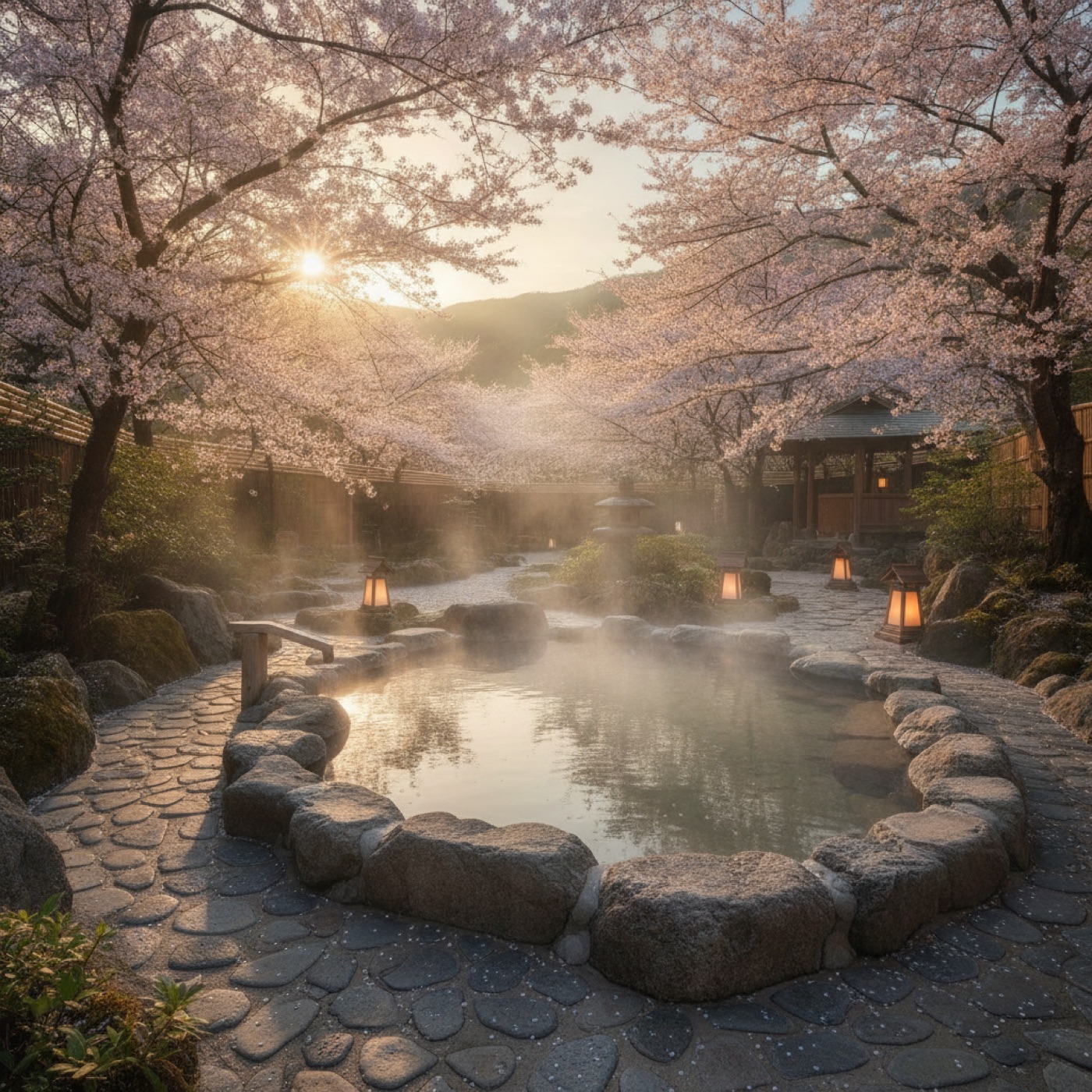
Deciding between Atami and Hakone for a rejuvenating day trip from Tokyo can be a delightful dilemma. Both offer the soothing embrace of Japan's famous hot springs, but they cater to distinctly different desires. If you have just one precious day to escape the city, which destination will provide the most satisfying experience? Let's break down the key differences to help you choose.
Atami vs. Hakone: What's the Core Difference?
At its heart, the choice between Atami and Hakone boils down to the kind of scenery and atmosphere you're seeking.
What kind of onsen experience are you looking for?
- Atami: This is a vibrant, popular seaside resort town nestled at the base of the Izu Peninsula. It's known for its abundant hot springs, a lively atmosphere, and a blend of cultural attractions.
- Hakone: Situated within a national park, Hakone offers a quintessential mountain onsen experience. Here, you'll find dramatic volcanic landscapes, serene lake views, and a more spread-out, nature-focused environment.
Access: Which is Easier to Reach from Tokyo?
Your precious day trip time is best spent enjoying your destination, not just traveling. Understanding the access routes will help you maximize your escape.
How quickly can you get to your onsen destination?
-
Atami: For sheer speed and simplicity, Atami is the winner.
- Access: A direct ride on the JR Tokaido Shinkansen from Tokyo Station will whisk you to Atami in approximately 40–50 minutes [1]. The fare is around ¥4,000 one way [1]. Alternatively, the JR Tokaido Line offers a slower but more economical option, taking about 100–120 minutes and costing ¥2,090 one way [1].
- Logistics: Upon arrival at Atami Station, the town center is conveniently walkable [1]. This means you can start exploring and relaxing with minimal fuss.
-
Hakone: Reaching Hakone requires a bit more planning and often involves multiple modes of transport.
- Access: The most popular route is the Odakyu Limited Express Romancecar from Shinjuku Station to Hakone-Yumoto, which takes about 80 minutes [2]. A one-way ticket costs approximately ¥2,420 (digital) to ¥2,470 (paper), as it includes a base fare plus a reserved limited express fee [2].
- Logistics: Hakone's attractions are spread across a wider area, necessitating the use of various local transport options such as the Hakone Tozan Railway, cable car, ropeway, buses, and even a sightseeing cruise on Lake Ashi [3]. To make navigating these efficiently, the Hakone Freepass is highly recommended [3].
Scenery: Sea Breeze or Mountain Majesty?
The visual landscape of your day trip can significantly impact your overall experience. Do you dream of the ocean's expanse or the grandeur of mountains?
What kind of views do you dream of for your day trip?
- Atami: Embrace the coast. Atami’s identity as a seaside resort town means its charm lies in its coastal vistas and the refreshing sea air [4].
-
Hakone: Dramatic mountain and volcanic landscapes await. Hakone offers breathtaking views of Lake Ashinoko and, on clear days, Mt. Fuji visible between Owakudani and Togendai [5]. The iconic scene often features Lake Ashi with Hakone Shrine's distinctive red torii gate standing in the water, framed by the majestic presence of Mt. Fuji behind it [5].
Mt. Fuji Visibility: For the best chance of spotting Mt. Fuji, aim for a visit during the winter months (roughly December to February) when the cold, dry air tends to reduce atmospheric haze [6]. Clear views are most common in the morning. Conversely, summer months generally offer the fewest clear-view days [6].
Things to Do: Beyond the Bath
While onsen are the main draw, both destinations offer a variety of attractions to enrich your day trip.
What attractions will fill your day trip?
Atami's Cultural and Artistic Offerings
Atami provides a blend of art, history, and unique structures that are easily accessible within its compact town center.
- MOA Museum of Art: This museum boasts an impressive collection of Japanese and East Asian art, set within a striking modern building with beautiful gardens.
- FEE: ¥2,000
- HOURS: 9:30–16:30 (last entry 16:00); closed Thursdays (unless a national holiday) and between exhibitions.
- Atami Castle: A picturesque reconstruction offering panoramic views of the bay from its observation deck, and also houses a trick art museum.
- FEE: ¥1,200 (castle) / ¥1,200 (trick art museum) / ¥2,000 (both)
- HOURS: 9:00–17:00 (last entry 16:30); no closing days.
- Kiunkaku: This elegant former ryokan, now a cultural property, showcases traditional Japanese architecture and gardens.
- FEE: ¥610
- HOURS: 9:00–17:00 (last entry 16:30); closed Wednesdays (unless a national holiday) and December 26–30.
Hakone's Natural Wonders and Art
Hakone's attractions are more spread out, encouraging exploration via its unique transport network and immersing you in its natural beauty.
- Hakone Yuryo (Day-Use Onsen): A popular choice for experiencing Hakone's hot springs without an overnight stay. It offers a variety of private and public baths. A free shuttle bus runs from Hakone-Yumoto Station.
- FEE: Adults ¥1,700–1,800 (weekdays) / ¥2,000–2,200 (weekends & holidays); Children (6–12) ¥1,000 flat. (Under 6 not admitted.)
- HOURS: Weekdays 10:00–20:00 (last entry 19:00), Weekends/Holidays 10:00–21:00 (last entry 20:00).
- The Hakone Open-Air Museum: This unique museum features a vast outdoor sculpture park with works by renowned artists, set against the stunning backdrop of the Hakone mountains. It even includes a hot-spring foot bath for a relaxing break.
- FEE: Adults ¥2,000, University & High School Students ¥1,600, Middle & Elementary Students ¥800.
- HOURS: 9:00–17:00 (last admission 30 min before closing); open 365 days a year.
- Owakudani Black Eggs: Visit the volcanic valley of Owakudani, where you can try the famous black eggs, traditionally said to add seven years to your life. These eggs are boiled in the hot springs, turning their shells black.
- FEE: ¥500 (tax incl.) per pack of 4.
- HOURS: 9:00–16:15 (egg sales may end slightly later; may sell out).
- Hakone Shrine: Located on the shores of Lake Ashi, this serene shrine is famous for its iconic red torii gate that appears to float on the water.
- FEE: Free (grounds always open).
Cost and Logistics: Budgeting Your Day Trip
Understanding the financial and logistical commitments will help you plan the most suitable trip for your budget and travel style.
How do the costs and travel arrangements compare?
| Feature | Atami (Shinkansen) | Atami (Local Train) | Hakone (Romancecar) | Hakone Freepass (2-day) |
|---|---|---|---|---|
| Round Trip Transport | ~¥8,000 | ~¥4,180 | ~¥4,840–4,940 | ¥7,100 (incl. local) |
| Local Transport | Walkable town | Walkable town | Extra cost | Included |
| Potential Entry Fees | Varies by attraction | Varies by attraction | Varies by attraction | Varies by attraction |
- Atami: Offers a straightforward and potentially more budget-friendly option if you opt for the local train and focus on a few key attractions. The simplicity of a single train ride and a walkable town center reduces logistical complexities [1].
- Hakone: While the initial transport cost to Hakone might seem higher, the Hakone Freepass provides excellent value for exploring its numerous sights spread across the region [3]. However, its cost and logistics are designed for those who plan to utilize multiple modes of transport to see various points of interest [3].
The Verdict: Which Day Trip is Better for YOU?
Ultimately, the "better" day trip depends entirely on your personal preferences and priorities. Use this framework to make your decision.
Your Ideal Day Trip Decision Framework:
-
Choose Atami if:
- You prioritize speed and ease of access from Tokyo, with a direct and quick journey.
- You prefer a seaside resort atmosphere with coastal views and a lively town feel.
- You want a walkable town center where you can easily move between cultural attractions and enjoy the local ambiance.
- You are looking for a simpler, potentially more budget-friendly day out with fewer transport connections to manage.
-
Choose Hakone if:
- You are seeking dramatic mountain and volcanic scenery, with the exciting possibility of seeing Mt. Fuji.
- You enjoy exploring a national park with diverse natural landscapes and a variety of transport options like ropeways and boats.
- You want to experience a wider variety of attractions spread across a larger, more geographically diverse area.
- You are willing to invest in a transport pass (like the Hakone Freepass) to facilitate comprehensive exploration and enjoy the scenic journey between sights.
Planning Your Onsen Escape:
-
For Atami:
- Consider booking a traditional ryokan experience for an even more immersive stay. Browse Atami ryokan & hotel deals on Expedia →
- Explore curated day tours and activities to make the most of your visit. Find Atami onsen tickets & tours on Klook →
-
For Hakone:
- Purchase your Hakone Freepass in advance for seamless travel. Get the Hakone Freepass on Klook →
- Discover the best day-use onsen options to relax and rejuvenate. Find Hakone onsen tickets & tours on Klook →
Where to stay in Hakone
Onsen hotels and ryokan in Hakone listed on Rakuten Travel, Japan's largest domestic booking site.
- 箱根湯本温泉 伊東園ホテル 箱根湯本 ★ 4.0 (625 reviews) · from ¥7,898
- 箱根湯本温泉 箱根パークス吉野 ★ 4.3 (1,505 reviews) · from ¥7,510
- 箱根湯本 温泉旅館「大和館」 ★ 4.8 (22 reviews) · from ¥9,900
Links open Rakuten Travel, which is in Japanese — your browser's built-in translation handles the booking pages well. We may earn a commission at no extra cost to you.
Sources
[1] https://www.japan-guide.com/e/e6317.html [2] https://odakyu-global.com/passes/romancecar/ [3] https://www.hakonenavi.jp/international/en/discount_passes/free_pass [4] https://www.japan-guide.com/e/e6317.html [5] https://www.japan-guide.com/e/e5223.html [6] https://livejapan.com/en/in-tokyo/in-pref-fuji_mountain/in-mount_fuji/article-a0002532/
Ready to plan your visit?
Prices and slots for popular baths change with the season — check today's availability before you build your itinerary.
Check availability on Klook