A Perfect Day: Beppu Hells Tour and Onsen Experience
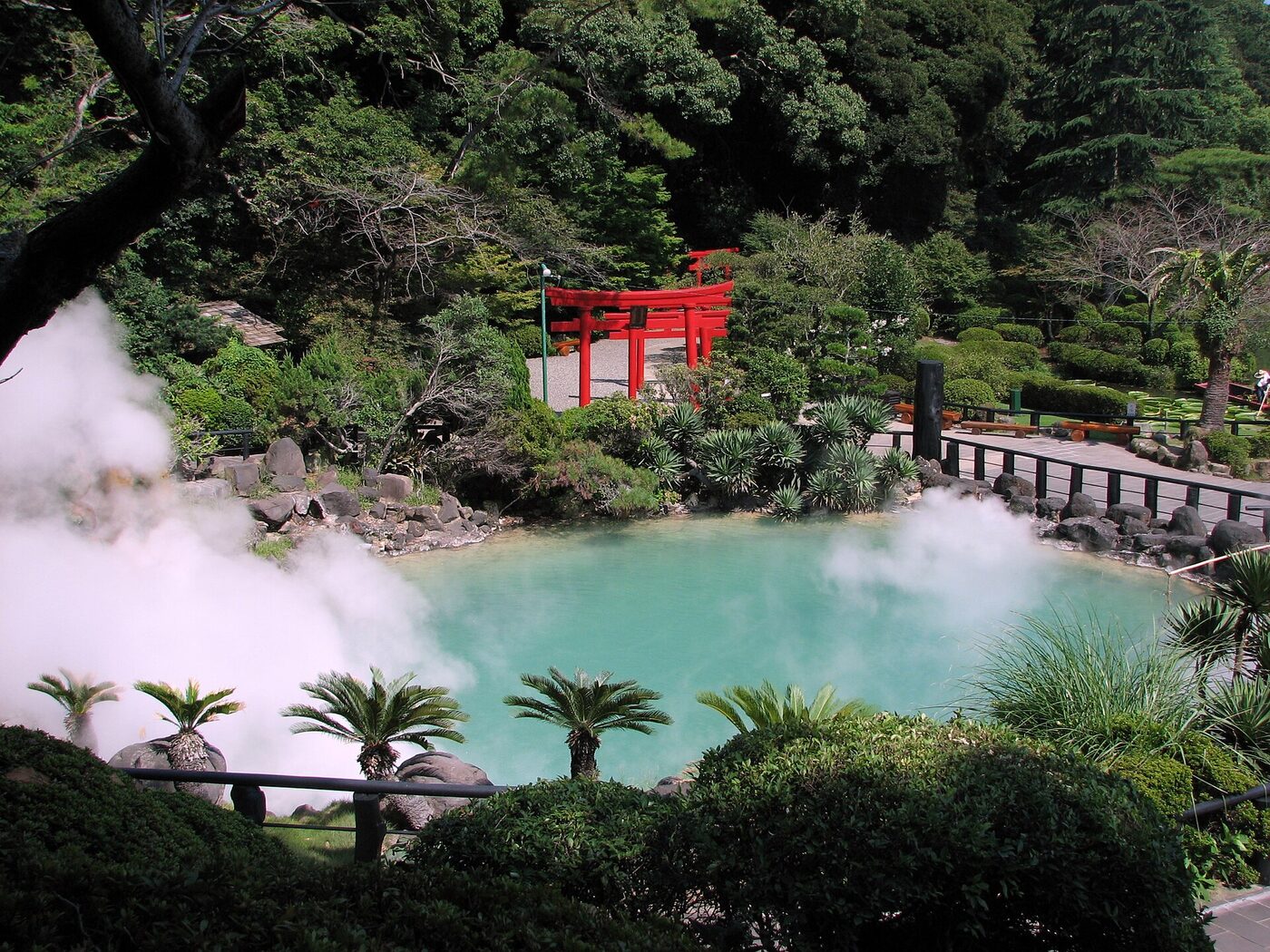
Embark on a fascinating one-day journey through Beppu's unique "Hells" and relax in a soothing onsen. This itinerary guides you through the visually stunning geothermal wonders and offers a chance to experience Japan's famous hot springs.
Beppu, known as the "department store of hot springs" [25], offers a unique combination of dramatic natural sights and rejuvenating bathing experiences. This itinerary is designed for inbound tourists looking to make the most of their time in this vibrant city. You can explore the famous "Hells of Beppu" and enjoy a relaxing onsen bath all within a single day. The Hells are for observation only due to their extreme temperatures, which can be near boiling point [24].
Planning Your Beppu Hells Tour
The seven Hells of Beppu are a collection of natural hot springs, each with its own distinct color and features. They are divided into two main areas: five in the Kannawa district and two in the Shibaseki district [6]. To see all seven, you'll need to travel between these areas, as they are about 3 km apart [6].
All seven Hells are open daily from 8:00 AM to 5:00 PM, with the last entry at 4:30 PM. They operate year-round, so you don't need to worry about closing days [1]. A common pass allows entry to all seven Hells and costs ¥2,400 for adults (high school students and older) and ¥1,200 for elementary and junior high students. This pass is valid for one entry per Hell and can be used over two consecutive days [4, 5].
A self-guided tour of all seven Hells typically takes about 3 to 4 hours if you move efficiently between them, including travel time. If you prefer a more relaxed pace, allowing for lunch and enjoying the free footbaths, you can expect it to take 4 to 5 hours [2].
Getting to the Hells
From Beppu Station, local Kamenoi buses are a convenient way to reach the Kannawa area. The bus ride usually takes around 20-25 minutes [6]. For visitors planning to use buses extensively, the Kamenoi Bus "My Beppu Free" one-day pass is a good option. It costs ¥1,100 for adults and covers travel within the Beppu city area and to the Kannawa Hells. This pass also offers discounts on admission tickets to the Hells [6].
Exploring the Beppu Hells
The Hells of Beppu are renowned for their striking geothermal activity and unique appearances. Each Hell offers a different spectacle, from boiling mud pools to geysers.
The Kannawa District Hells
This cluster contains five of the Hells and is generally walkable within the district.
- Umi Jigoku (Sea Hell): Famous for its stunning, almost surreal, cobalt-blue water [11]. The vibrant color is due to the high concentration of minerals.
- Kamado Jigoku (Cooking Pot Hell): This Hell features several small ponds, with steam rising from them. It's named because the steam was historically used to cook rice and other foods [12].
- Oniishibozu Jigoku (Ogre Monk Hell): Characterized by its bubbling mud pools that resemble the shaved heads of Buddhist monks [11].
- Yama Jigoku (Mountain Hell): This Hell is known for its hot springs that gush steam from the mountainside, resembling a steaming mountain. You can also see various animals here [10].
- Kameno-i Jigoku (Turtle Hell): This Hell has a pond where hot water bubbles up, and it is said to have been named after a legend involving a turtle [10].
The Shibaseki District Hells
These two Hells are located about 3 km from the Kannawa cluster and require a bus or car to reach.
- Chinoike Jigoku (Blood Pond Hell): This Hell is famous for its striking crimson-red water, caused by iron oxide in the mud [11]. It is one of Japan's oldest natural Hells [10].
- Tatsumaki Jigoku (Tornado Hell): This Hell features a powerful geyser that erupts at regular intervals, shooting hot water high into the air [11]. The eruptions typically occur every 30-40 minutes [6].
Experiencing "Jigoku Mushi" and Footbaths
While you cannot bathe in the Hells themselves due to their extreme temperatures [24], you can still enjoy their unique benefits. Many of the Hells offer opportunities to try "jigoku mushi," which means "hell steaming." Local specialties like soft-boiled eggs and puddings are cooked using the natural steam and heat from the hot springs [12]. This traditional cooking method imparts a unique flavor and texture to the food.
Several Hells also provide free footbaths, allowing you to dip your feet into the warm, mineral-rich waters. This is a wonderful way to relax and experience the onsen's therapeutic qualities without needing to visit a separate onsen facility.
Onsen Relaxation: A Perfect End to Your Day
After a morning or afternoon exploring the visually stunning Hells, a visit to a Beppu onsen is the ideal way to unwind. Beppu boasts Japan's highest hot spring output, with over 2,200 registered sources and more than ten different types of spring water [25]. This abundance means there are numerous options for onsen experiences, from large public baths to private rooms.
Choosing Your Onsen
When selecting an onsen, consider what kind of experience you are looking for. Many hotels in Beppu have their own onsen facilities, offering a convenient option if you are staying locally. There are also public bathhouses and private onsen rooms (kashikiri-buro) available.
For those concerned about tattoos, Beppu is considered a tattoo-friendly city. Many public onsen, such as Horita Onsen and Kaimonji Onsen, explicitly welcome guests with tattoos in their communal bathing areas without requiring them to be covered [16, 17]. Private onsen rooms are always tattoo-friendly as you will be bathing alone or with your companions [18].
Onsen Etiquette
To ensure a pleasant experience for everyone, it's important to follow onsen etiquette. Before entering the bath, you must wash your body thoroughly at the washing stations provided [21]. This is to keep the bathwater clean. Bring a small towel with you, but remember to keep it out of the bathwater; you can place it on your head or the side of the bath [21]. If you have long hair, tie it up to prevent it from falling into the water [22]. It's also polite to ask others before adjusting the water temperature if you find it too hot or too cold [21].
Sample One-Day Itinerary
This itinerary assumes you are starting your day from Beppu Station.
Morning (9:00 AM - 12:30 PM): Beppu Hells Tour
- 9:00 AM: Depart from Beppu Station via Kamenoi Bus towards the Kannawa district. Consider purchasing the "My Beppu Free" one-day pass for convenient travel and discounts [6].
- 9:30 AM - 11:30 AM: Explore the five Hells in the Kannawa district: Umi Jigoku, Kamado Jigoku, Oniishibozu Jigoku, Yama Jigoku, and Kameno-i Jigoku. Take your time to admire the unique scenery and perhaps try some "jigoku mushi" snacks [12].
- 11:30 AM - 12:00 PM: Take a bus or taxi from Kannawa to the Shibaseki district to visit Chinoike Jigoku and Tatsumaki Jigoku.
- 12:00 PM - 12:30 PM: Visit Chinoike Jigoku and Tatsumaki Jigoku. Witness the striking red waters and the erupting geyser [11].
Lunch (12:30 PM - 1:30 PM)
- Find a local restaurant in the Kannawa or Shibaseki area for lunch. Many places offer regional specialties. You can also find simple eateries near the Hells.
Afternoon (1:30 PM - 4:00 PM): Onsen Relaxation
- 1:30 PM: Return to the Kannawa area or head towards a chosen onsen facility.
- 2:00 PM - 4:00 PM: Enjoy a relaxing soak in an onsen. You could opt for a public bathhouse, a private room at a facility, or the onsen at your accommodation if you are staying nearby. Consider a facility known for being tattoo-friendly if that is a concern [16, 17, 18].
Late Afternoon (4:00 PM onwards)
- After your onsen experience, you can explore more of Beppu city, do some souvenir shopping, or head back to Beppu Station.
Comparison of Key Hells
| Hell Name | District | Key Feature | Notes |
|---|---|---|---|
| Umi Jigoku | Kannawa | Striking cobalt-blue water | Very popular, often crowded. |
| Chinoike Jigoku | Shibaseki | Crimson-red water | One of Japan's oldest natural Hells. |
| Tatsumaki Jigoku | Shibaseki | Erupting geyser | Eruptions occur approximately every 30-40 minutes. |
| Oniishibozu Jigoku | Kannawa | Bubbling mud pools resembling monk's heads | Unique visual. |
| Kamado Jigoku | Kannawa | Multiple hot springs and steam vents | Steam historically used for cooking. |
| Yama Jigoku | Kannawa | Steam gushing from mountainside, animal enclosures | Offers a slightly different landscape. |
| Kameno-i Jigoku | Kannawa | Bubbling hot water pond | Less dramatic than others, but part of the full circuit. |
Frequently Asked Questions
Q: How much time do I need for a Beppu Hells tour? A: A self-guided tour of all seven Hells typically takes 3 to 4 hours, or 4 to 5 hours if you include lunch and footbaths [2].
Q: Can I bathe in the Beppu Hells? A: No, the Beppu Hells are for observation only due to their extremely high temperatures, which are often near boiling point. They are not safe for bathing or swimming [24].
Q: Is Beppu tattoo-friendly for onsen? A: Yes, Beppu is generally considered tattoo-friendly, with many public onsen explicitly welcoming tattooed guests. Private onsen rooms are always tattoo-friendly [16, 17, 18].
Q: What is the best way to travel between the Hells? A: The Hells are divided into two clusters. The Kannawa cluster is walkable. For the Shibaseki cluster, you can use local Kamenoi buses or a taxi. The "My Beppu Free" bus pass can be useful for getting around [6].
Q: What is "jigoku mushi"? A: "Jigoku mushi" refers to food, such as eggs and pudding, that is steamed using the natural hot spring heat and steam from the Hells [12].
Where to stay in Beppu
Onsen hotels and ryokan in Beppu listed on Rakuten Travel, Japan's largest domestic booking site.
- 別府温泉 ホテル好楽 ★ 3.9 (765 reviews) · from ¥5,400
- リブマックスリゾート別府温泉 ANNEX from ¥5,900
- 別府温泉 美湯の宿 両築別邸 ★ 4.3 (1,830 reviews) · from ¥7,650
Links open Rakuten Travel, which is in Japanese — your browser's built-in translation handles the booking pages well. We may earn a commission at no extra cost to you.
Sources
[1] japan-guide.com — https://www.japan-guide.com/e/e4702.html [2] todolist-japan.com — https://todolist-japan.com/en/beppu-jigoku-hell-tour-guide/ [4] japanactivity.com — https://japanactivity.com/beppu-jigoku-meguri-ticket-costs [5] kkday.com — https://www.kkday.com/en/product/122902-beppu-hell-tour-common-admission-ticket-advance-ticket-japan [6] williamlion.tw — https://jp-travel.williamlion.tw/en/japan/beppu-jigoku-meguri-guide-2026-en/ [10] japan.travel — https://www.japan.travel/en/spot/713/ [11] visit-kyushu.com — https://www.visit-kyushu.com/en/see-and-do/spots/hells-beppu/ [12] oita-tourism.com — https://oita-tourism.com/en/onsenStories/jigokumeguri [16] tattoofriendlyonsen.com — https://www.tattoofriendlyonsen.com/onsen/horita-onsen [17] tattoofriendlyonsen.com — https://www.tattoofriendlyonsen.com/onsen/kaimonji-onsen [18] beppu-jp.com — https://enjoyonsen.city.beppu-jp.com/onsen/100tattoo-friendly_beppuonsen_japan/ [21] beppu-jp.com — https://enjoyonsen.city.beppu-jp.com/onsen/what-are-the-etiquette-and-bathing-manners-for-japanese-hot-springs-essential-tips-for-enjoying-your-onsen-experience/ [22] oita-tourism.com — https://oita-tourism.com/en/onsenStories/onsen-etiquette [24] glidejapan.co.jp — https://en.glidejapan.co.jp/article/what-visitors-to-beppu-sometimes-get-wrong-ideas-on-how-to-improve-your-trip/ [25] beppu-jp.com — https://enjoyonsen.city.beppu-jp.com/
Ready to plan your visit?
Prices and slots for popular baths change with the season — check today's availability before you build your itinerary.
Check availability on Klook