Experience Japan's Winter Wonderland: A 10-Day Onsen and Snow Itinerary
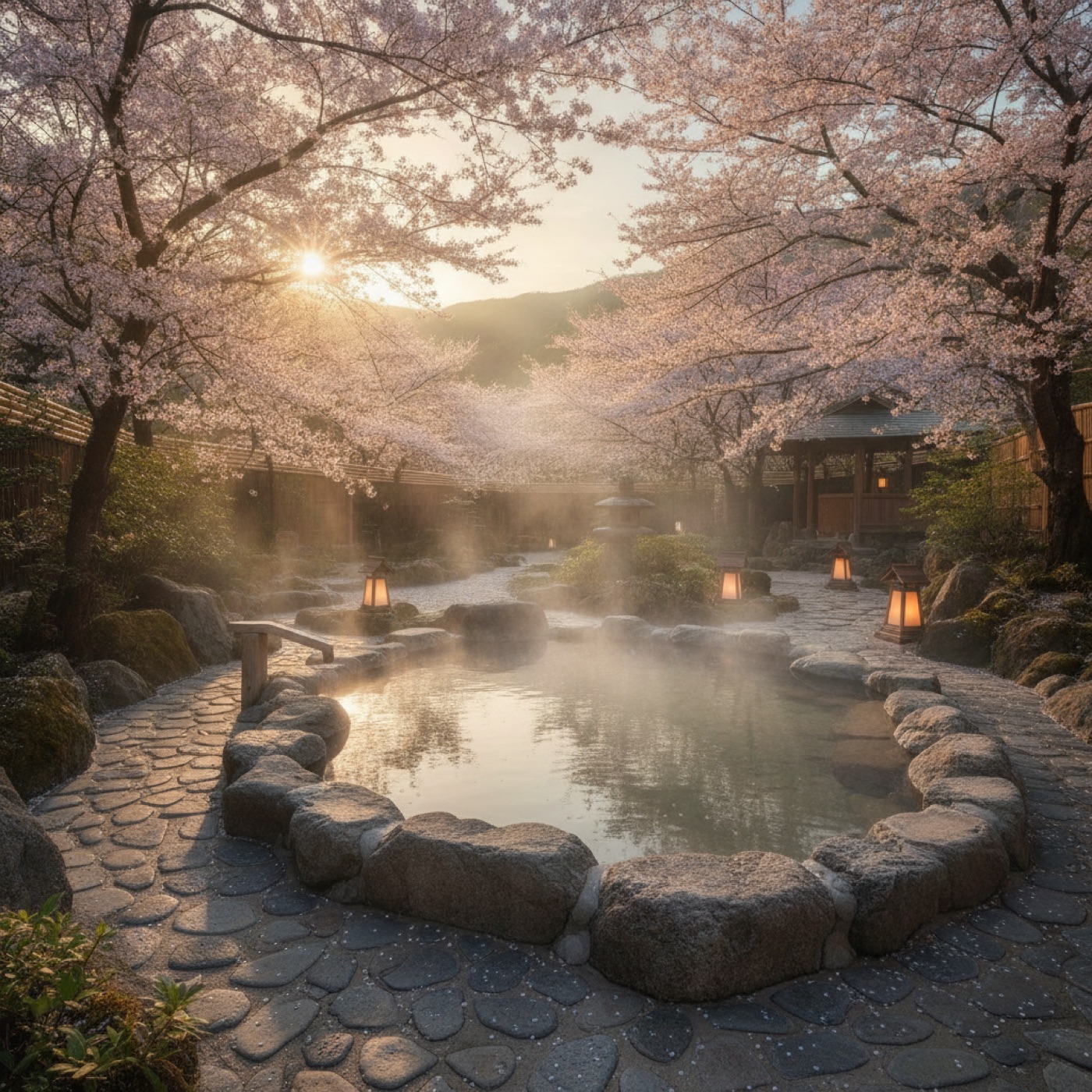
This 10-day itinerary focuses on experiencing Japan's serene winter landscapes, highlighted by relaxing onsen hot springs and picturesque snow-covered scenery. It balances iconic destinations with opportunities for deep relaxation, offering a perfect blend of natural beauty and cultural immersion for inbound tourists.
Planning Your Winter Journey: What to Expect
A 10-day winter itinerary in Japan can beautifully combine the soothing warmth of onsen with the breathtaking beauty of snow. This journey is designed to offer a balanced experience, allowing you to witness Japan's winter charm while indulging in the country's renowned hot spring culture. Expect to travel between different regions, each offering unique snowscapes and onsen experiences. For instance, the northern regions are known for their heavy snowfall, making them ideal for winter activities, while other areas offer a more tranquil, snow-dusted ambiance.
Understanding Onsen Etiquette: A Guide for Visitors
Before you immerse yourself in the relaxing waters of a Japanese onsen, it's helpful to understand the basic etiquette. Onsens are traditionally enjoyed without clothing; swimsuits are generally not worn unless the facility specifies otherwise [1, 9]. This practice is rooted in the belief that clothing can contaminate the pure spring water. A fundamental rule is to always shower and rinse your body thoroughly at the provided stations before entering the main onsen bath [1, 8]. This ensures hygiene for all bathers and is a sign of respect for the onsen and its users.
The topic of tattoos and onsen entry is a common concern for many visitors. While tattoos are not legally banned in Japan, individual onsen facilities set their own entry policies, which can vary significantly [10]. Some onsens are fully tattoo-friendly, while others have strict no-tattoo rules. For those with small tattoos, some facilities may permit entry if the tattoo is covered with a flesh-colored waterproof sticker [7, 10]. However, for larger tattoos, seeking out onsens that are explicitly tattoo-friendly or reserving a private onsen bath is the most reliable option to avoid any disappointment [7]. Researching the specific policies of each onsen you plan to visit is highly recommended.
Day 1-3: Arrival in Tokyo and a Snow Escape to Hakone
Begin your journey in Tokyo, a city that offers a vibrant contrast to the tranquility of winter landscapes. Spend your first day acclimatizing and perhaps exploring some of Tokyo's winter illuminations, which often light up the city from late November through February.
From Tokyo, take a scenic train ride to Hakone, a mountain resort town renowned for its natural beauty and hot springs. Hakone is easily accessible from Tokyo, making it a perfect first stop for a snow and onsen experience. The journey itself offers glimpses of winter scenery.
In Hakone, you can enjoy views of Mount Fuji, especially on clear winter days. The area boasts numerous onsen resorts nestled amidst the mountains. Consider visiting the Hakone Open-Air Museum, which offers a unique artistic experience against a winter backdrop. The hot springs in Hakone range from large public baths to more intimate private onsen experiences.
Day 4-6: The Enchanting Snowscapes of the Japanese Alps (e.g., Nagano/Gifu)
Next, venture into the Japanese Alps, a region famous for its heavy snowfall and stunning winter vistas. Destinations like Nagano or Gifu Prefecture offer a quintessential Japanese winter experience.
Nagano: Snow Monkeys and Serene Onsen
Nagano is particularly famous for the Jigokudani Monkey Park, where you can witness Japanese macaques bathing in natural hot springs surrounded by snow. This is a truly unique winter spectacle. The park is accessible via public transport, with a walk through a snowy path to reach the monkeys.
Beyond the monkeys, Nagano Prefecture is dotted with numerous onsen towns. Consider staying in areas like Shibu Onsen or Yudanaka Onsen, which are near the monkey park and offer traditional ryokan (Japanese inns) with excellent onsen facilities. These inns often provide multi-course kaiseki dinners, a perfect way to warm up after a day in the snow. The ryokan experience often includes access to both indoor and outdoor onsen baths, allowing you to soak in the hot water while gazing at the snowy surroundings.
Gifu: Shirakawa-go and Traditional Charm
Another option in the Alps is Gifu Prefecture, home to the UNESCO World Heritage site of Shirakawa-go. This historic village is famous for its Gassho-zukuri farmhouses, with steep thatched roofs designed to withstand heavy snow. In winter, the village is transformed into a fairytale landscape, especially when illuminated during specific winter events.
While Shirakawa-go itself is a village to be admired, nearby areas offer onsen facilities. For example, Okuhida Onsenkyo is a collection of five hot spring villages in the mountainous region of Gifu. Here, you can find a variety of onsen, from large public baths to private rotenburo (outdoor baths) with spectacular mountain views. The journey to these areas often involves scenic train and bus rides, showcasing the winter beauty of the Japanese countryside.
Day 7-8: The Historic Charm of Ginzan Onsen, Yamagata
For a truly iconic winter onsen experience, head to Ginzan Onsen in Yamagata Prefecture. This picturesque hot spring town is famous for its nostalgic, Taisho-era (1912-1926) architecture, with charming wooden inns lining the river. In winter, the gas lamps that illuminate the streets and the snow create an incredibly romantic and atmospheric setting.
Ginzan Onsen implements winter visitor restrictions from late December to late March, requiring advance planning for day trips [4, 6]. During winter, private cars are banned in Ginzan Onsen from 8 PM to 9 AM; day visitors must use a park-and-ride shuttle service from the Taisho Romankan visitor center [4]. This restriction helps preserve the peaceful ambiance of the town. Staying overnight in one of the traditional ryokan here is highly recommended to fully experience its magic after the day visitors depart. The ryokan in Ginzan Onsen are known for their exquisite hospitality and their onsen facilities, often featuring beautiful outdoor baths that allow you to soak under the stars and falling snow.
Browse Ginzan Onsen ryokan & hotel deals on Expedia →
Day 9: Return to Tokyo and Last-Minute Exploration
After soaking in the beauty of Ginzan Onsen, begin your journey back towards Tokyo. Depending on your travel pace and interests, you might choose to break up the journey with a stop in another city or head directly back to the capital.
Once back in Tokyo, you can use your remaining time for last-minute souvenir shopping, revisiting favorite spots, or exploring areas you may have missed. Consider visiting a themed cafe, exploring the trendy Shibuya district, or enjoying a final delicious Japanese meal. If you haven't had enough of onsen, Tokyo also has some urban onsen facilities that offer a convenient way to relax before your departure.
Day 10: Departure
On your final day, enjoy a leisurely breakfast and make your way to the airport for your departure, filled with memories of Japan's serene winter landscapes and rejuvenating onsen experiences.
Comparing Onsen Experiences
| Feature | Hakone Onsen | Nagano Onsen (e.g., Yudanaka) | Ginzan Onsen |
|---|---|---|---|
| Scenery | Lake Ashi, Mount Fuji views, forested mountains | Snow-covered mountains, Japanese macaques | Historic townscape, snow-laden streets, river |
| Atmosphere | Resort town, accessible, diverse facilities | Traditional, rural, natural beauty | Nostalgic, romantic, charming, historic |
| Key Attractions | Hakone Open-Air Museum, Lake Ashi cruise | Jigokudani Monkey Park, snow activities | Taisho-era architecture, winter illuminations |
| Onsen Style | Wide range, including modern resorts and ryokan | Traditional ryokan, public baths, private options | Primarily traditional ryokan, historic baths |
| Winter Access | Generally good, accessible from Tokyo | Good, with potential for road closures in heavy snow | Requires planning due to visitor restrictions |
Essential Packing for a Winter Onsen Trip
When packing for a 10-day winter itinerary in Japan that includes onsen and snow, consider the following:
- Warm Clothing: Layers are key. Pack thermal underwear, sweaters, fleece jackets, and a waterproof and windproof outer coat. Don't forget warm hats, gloves, and scarves.
- Waterproof Footwear: Essential for walking in snow and on potentially icy paths. Comfortable, waterproof boots with good grip are a must.
- Swimsuit (Optional but Recommended): While most onsen do not allow swimsuits, some modern facilities or private baths might, or you might want one for hotel pools. It's always good to check the specific policy of your chosen accommodations.
- Small Towel: Many onsen provide towels, but having a small, quick-drying towel can be convenient for wiping hands or face.
- Toiletries: While onsen facilities provide soap and shampoo, you might prefer to bring your own favorite brands.
- Skincare: The cold, dry winter air and the heat of the onsen can be drying. Pack moisturizer and lip balm.
- Small Bag: A small, waterproof bag is useful for carrying your essentials to the onsen area.
- Portable Charger: For keeping your devices charged, especially if you're using them for navigation or photos in the cold.
- Cash: While credit cards are widely accepted in cities, smaller towns and some onsen facilities may prefer cash.
- Tattoo Cover-Up Stickers: If you have tattoos and are concerned about onsen policies, bring flesh-colored waterproof stickers.
Remember to pack light enough to manage your luggage easily, especially when using Japan's excellent public transportation system.
Navigating Japan in Winter: Transportation Tips
Japan's public transportation system is highly efficient and a great way to travel during winter.
- Trains: The Shinkansen (bullet train) is the fastest way to travel between major cities. For regional travel, local trains and buses are reliable. Japan Rail Pass can be a cost-effective option for extensive train travel, but check if it covers all your planned routes and if it's cost-effective for your specific itinerary.
- Buses: Buses are essential for reaching more remote onsen towns and attractions like Shirakawa-go and Ginzan Onsen. Bus schedules can be affected by heavy snowfall, so it's wise to check for any disruptions.
- Local Transport: Within cities and towns, subways, local buses, and taxis are available. In snowy areas, walking can be a pleasant way to explore, but be prepared for the conditions.
When traveling to areas known for heavy snowfall, such as the Japanese Alps or Ginzan Onsen, it's advisable to check weather forecasts and transportation updates regularly. Some mountain roads might experience temporary closures during severe weather.
Conclusion
This 10-day winter itinerary offers a balanced immersion into Japan's serene snowy landscapes and the deeply relaxing tradition of onsen. From the iconic charm of Ginzan Onsen to the natural wonders of Nagano and the scenic beauty of Hakone, this journey promises a memorable winter escape. By understanding onsen etiquette and preparing for the winter weather, you can fully embrace the unique beauty and tranquility that Japan offers during its coldest months.
Popular onsen towns to stay in
One stay in each of three classic onsen towns, listed on Rakuten Travel, Japan's largest domestic booking site.
- 箱根湯本温泉 伊東園ホテル 箱根湯本 Hakone · ★ 4.0 (625 reviews) · from ¥7,898
- 草津温泉 5種貸切風呂の宿 湯宿 きんだい Kusatsu · ★ 4.4 (532 reviews) · from ¥13,000
- 城崎温泉 しののめ荘 Kinosaki · ★ 3.8 (122 reviews) · from ¥11,900
Links open Rakuten Travel, which is in Japanese — your browser's built-in translation handles the booking pages well. We may earn a commission at no extra cost to you.
Sources
[1] banyantree.com — https://www.banyantree.com/japan/kyoto/experiences/onsen-and-hot-spring-etiquette-in-japan [4] motokyo.com — https://www.motokyo.com/blog/2026/9/16/japanese-onsen-etiquette-what-to-know-before-you-go [6] thejapanode.com — https://thejapanode.com/guides/japan-onsen-etiquette-tattoo-guide [7] tattoofriendlyonsen.com — https://www.tattoofriendlyonsen.com/guides/can-you-visit-onsen-in-japan-with-tattoos [8] kashiwaya.org — https://www.kashiwaya.org/e/magazine/onsen/tattoos.html [9] japanmanners.com — https://japanmanners.com/rules/tattoos-onsen/ [10] kanpai-japan.com — https://www.kanpai-japan.com/ginzan-onsen
Ready to plan your visit?
Prices and slots for popular baths change with the season — check today's availability before you build your itinerary.
Check availability on Klook