A Serene 7-Day Japanese Journey: Onsen and Breathtaking Views
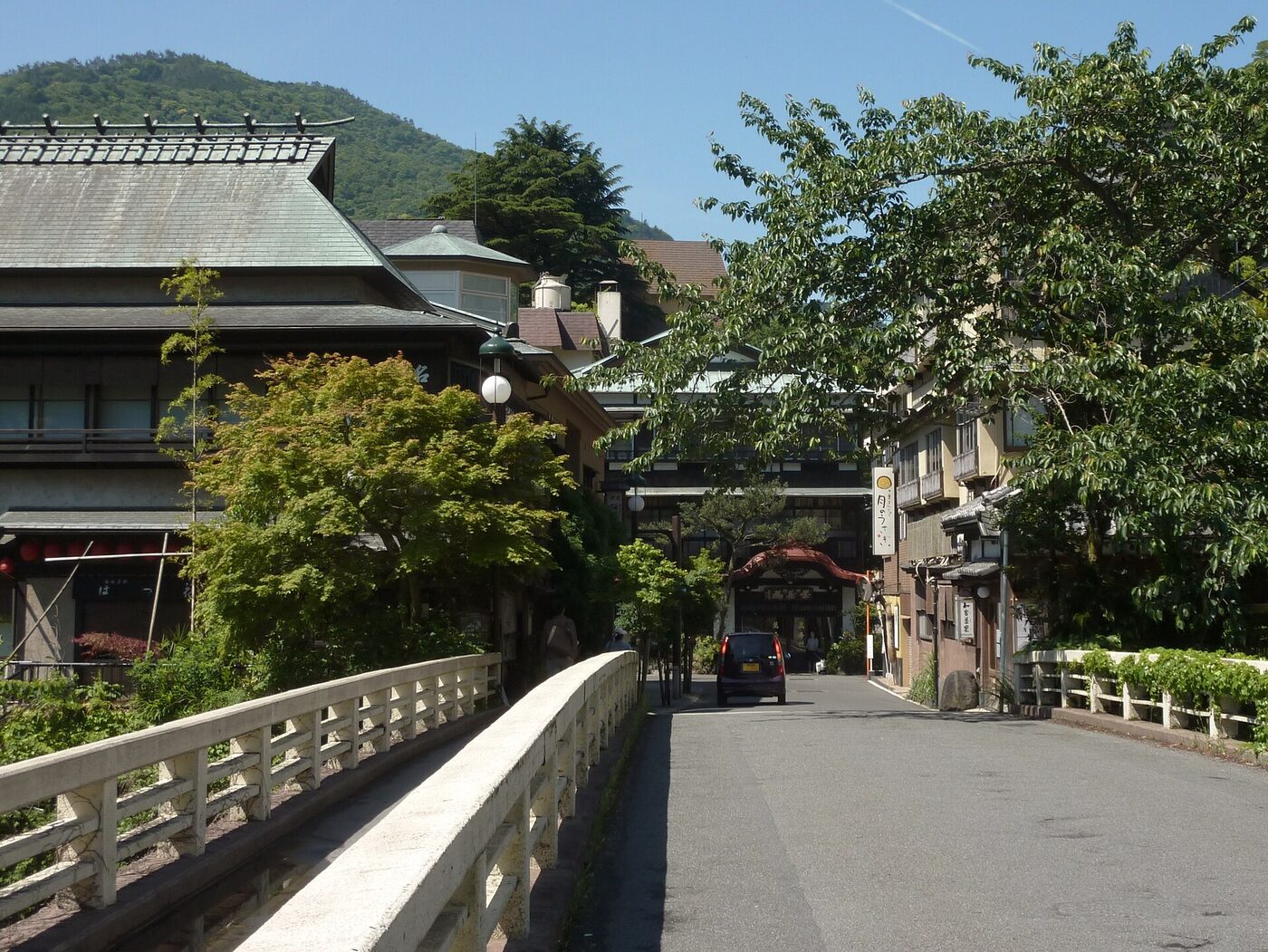
This 7-day itinerary offers a delightful blend of Japan's most cherished experiences: relaxing onsen (hot springs) and stunning natural scenery, with a focus on iconic Mount Fuji and the historic beauty of Nikko.
This itinerary is designed for inbound tourists seeking a balance of relaxation and exploration, focusing on areas easily accessible from Tokyo. You will experience the therapeutic waters of onsen and witness some of Japan's most iconic natural and cultural landscapes. The journey begins with the volcanic wonders and artistic charm of Hakone, followed by the majestic presence of Mount Fuji viewed from Lake Kawaguchiko, and concludes with the spiritual and natural splendor of Nikko.
Day 1-2: Hakone - Art, Nature, and Volcanic Onsen
Your journey begins in Hakone, a mountain resort town renowned for its natural beauty and hot springs, easily reached from Tokyo. The Odakyu Romancecar from Shinjuku offers a comfortable journey of about 85 minutes [7]. For convenient travel within the area, consider the Hakone Freepass, which provides unlimited rides on local transport and discounts on attractions for 2 or 3 days [10, 13].
Hakone offers a variety of onsen experiences, with waters ranging from clear and mild in Hakone Yumoto to milky, acidic sulfur water from the volcanic Owakudani region [8]. Remember that most onsen require full nudity and prohibit swimwear; thorough washing before entering is essential [1, 2]. It's also important to keep towels out of the bath water to maintain purity [3]. Some onsen facilities may still have policies against tattoos, so checking in advance is advisable [5].
The scenic highlights of Hakone are plentiful. Lake Ashinoko is a popular spot, offering sightseeing cruises that provide beautiful views [8]. The Hakone Ropeway is another must-do, granting panoramic vistas of Mount Fuji and the steaming Owakudani valley [8]. Exploring these areas allows you to appreciate both the volcanic activity and the serene landscapes that define Hakone.
Day 3-4: Lake Kawaguchiko - The Iconic Mount Fuji
From Hakone, your path leads to Lake Kawaguchiko, one of the Fuji Five Lakes, offering arguably the most iconic views of Mount Fuji. Reaching this area from Tokyo is convenient, with direct highway buses from Shinjuku taking approximately 2 hours, or you can opt for the Fuji Excursion limited express train [22, 21].
The northern shores of Lake Kawaguchiko are particularly famous for their breathtaking perspectives of Mount Fuji [25]. For the best photographic opportunities and clearest views, aim for early mornings and late afternoons. The scenery is especially captivating during cherry blossom season in mid-April and the vibrant autumn foliage in early November [9, 26].
Staying overnight in the Kawaguchiko area is highly recommended to fully immerse yourself in the onsen culture and to have the chance to witness Mount Fuji at sunrise [25]. The region boasts numerous hot spring facilities, providing a perfect way to relax after a day of sightseeing and to soak in the magnificent natural surroundings.
Day 5-6: Nikko - UNESCO Heritage and Emerald Waters
Your final destination for this itinerary is Nikko, a place steeped in history and natural beauty, located about two hours from Tokyo by limited express train from Asakusa or Shinjuku [30, 33]. For seamless travel and access to local buses, consider purchasing a Nikko Pass. The World Heritage Area Pass is valid for 2 days, while the All Area Pass covers 4 days [29, 40].
Nikko is home to the "Shrines and Temples of Nikko," a UNESCO World Heritage Site [34]. This includes magnificent structures like Nikko Toshogu Shrine, Rinnoji Temple, and Futarasan-jinja Shrine, all set amidst stunning natural landscapes [34, 35]. The intricate carvings and vibrant colors of these historic buildings are a testament to Japan's rich cultural heritage.
The Nikko region also offers diverse onsen experiences. Kinugawa Onsen is known for its relaxing properties, while Okunikko Yumoto Onsen features unique sulfur-rich, emerald-green water that transforms into a milky white and is said to be beneficial for the skin [38, 6]. Experiencing these different onsen waters provides a unique therapeutic element to your trip.
Day 7: Return to Tokyo
After soaking in the serene atmosphere and natural beauty of Nikko, it's time to return to Tokyo. The train journey back will allow you to reflect on the incredible sights and relaxing experiences of your week.
Onsen Etiquette: A Quick Guide
Understanding onsen etiquette is key to a respectful and enjoyable experience. Here are some fundamental rules:
- Nudity is Standard: Most onsen require guests to be completely nude. Swimwear is generally not permitted [1, 5].
- Wash Thoroughly: Before entering any bath, it is crucial to wash your body thoroughly with soap and rinse off all lather. This is to maintain the cleanliness of the onsen water [1, 2].
- Keep Towels Out: Small towels provided by the onsen should not be placed in the bath water. They can be used to dry off afterwards or placed on your head while you bathe [3].
- Tattoo Policies: While some facilities are becoming more accommodating, many onsen still prohibit tattoos due to historical associations. It is always best to check the specific policy of the onsen you plan to visit beforehand [5].
Comparing Onsen Regions
| Feature | Hakone | Lake Kawaguchiko | Nikko |
|---|---|---|---|
| Primary Appeal | Volcanic landscapes, art museums, diverse onsen | Iconic Mount Fuji views, lakeside relaxation | UNESCO World Heritage shrines, natural beauty |
| Key Scenic Spot | Lake Ashinoko, Owakudani valley | Northern shores of Lake Kawaguchiko | Nikko National Park, Lake Chuzenji |
| Onsen Water Type | Clear, mild to milky, acidic sulfur water | Various, often mineral-rich | Relaxing, sulfur-rich (emerald to milky white) |
| Access from Tokyo | Approx. 85 mins by train to Hakone Yumoto | Approx. 2 hours by bus or train | Approx. 2 hours by train |
Frequently Asked Questions
What is the best way to travel between these locations?
For this itinerary, a combination of trains and local transport passes is recommended. The Japan Rail Pass might be useful if you plan to travel extensively by Shinkansen, but for these specific regions, regional passes like the Hakone Freepass and Nikko Pass offer excellent value and convenience for local travel [10, 12, 40].
Are there onsen facilities suitable for families?
Many onsen resorts offer private family baths (kashikiri-buro) that can be booked for a fee. These private baths allow families to enjoy the onsen experience together without concerns about nudity policies or tattoos [5]. It is advisable to inquire directly with the onsen facility about their family-friendly options.
When is the best time of year to visit for scenic views?
For Mount Fuji views, early mornings and late afternoons are ideal throughout the year, with clearer skies often in cooler months. Spring (mid-April) offers cherry blossoms around Lake Kawaguchiko, while autumn (early November) brings stunning foliage to both Kawaguchiko and Nikko [9, 26].
Popular onsen towns to stay in
One stay in each of three classic onsen towns, listed on Rakuten Travel, Japan's largest domestic booking site.
- 箱根湯本温泉 伊東園ホテル 箱根湯本 Hakone · ★ 4.0 (671 reviews) · from ¥7,898
- 草津温泉 5種貸切風呂の宿 湯宿 きんだい Kusatsu · ★ 4.4 (548 reviews) · from ¥13,000
- 城崎温泉 しののめ荘 Kinosaki · ★ 3.9 (134 reviews) · from ¥12,900
Links open Rakuten Travel, which is in Japanese — your browser's built-in translation handles the booking pages well. We may earn a commission at no extra cost to you.
Sources
[1] japan.travel — https://www.japan.travel/en/guide/how-to-best-enjoy-onsen/ [2] oita-tourism.com — https://oita-tourism.com/en/onsenStories/onsen-etiquette [3] japan.travel — https://www.japan.travel/en/ph/story/onsen-etiquette/ [5] jal.co.jp — https://www.jal.co.jp/br/en/guide-to-japan/plan-your-trip/tips/things-to-know-before-onsen-visit.html [6] visitnikko.jp — https://www.visitnikko.jp/en/stories/unwind-with-a-hot-spring-getaway-to-nikko/ [7] hakone-japan.com — https://hakone-japan.com/plan-your-trip/access/ [8] japan.travel — https://www.japan.travel/en/itineraries/outdoor-art-hot-spring-resorts-and-fuji-views-in-hakone/ [9] japan-guide.com — https://www.japan-guide.com/e/e2358_008.html [10] jrailpass.com — https://www.jrailpass.com/blog/hakone-travel-guide [12] japan-experience.com — https://www.japan-experience.com/transportation/regional-passes/tokyo-mount-fuji/hakone-free-pass [13] hakone-japan.com — https://hakone-japan.com/plan-your-trip/getting-around/hakone-freepass/ [21] yamanashi-activity.com — https://en.yamanashi-activity.com/ultimate-guide-to-mount-fuji-from-tokyo-via-kawaguchiko/ [22] fujikyu.co.jp — https://bus.fujikyu.co.jp/en/column/j7t7a500000000c2.html [25] kawaguchiko.net — https://en.kawaguchiko.net/mt-fuji-view-en/ [26] japan.travel — https://www.japan.travel/en/fuji-guide/views-of-fuji/ [29] visitnikko.jp — https://www.visitnikko.jp/plan-your-trip/getting-to-and-around-nikko/ [30] gotokyo.org — https://www.gotokyo.org/en/destinations/beyond-tokyo/nikko.html [33] selfguidejapan.com — https://selfguidejapan.com/blog/nikko-day-trip [34] japan.travel — https://www.japan.travel/en/world-heritage/the-shrines-and-temples-of-nikko/ [35] greatertokyo.jp — https://greatertokyo.jp/see-and-do/6940/ [38] visitnikko.jp — https://www.visitnikko.jp/discover/hot-springs/ [40] tobu.co.jp — https://www.tobu.co.jp/en/sightseeing/news/707.html
Ready to plan your visit?
Prices and slots for popular baths change with the season — check today's availability before you build your itinerary.
Check availability on Klook