Experience the Magic of Yunishigawa Onsen's Kamakura Snow Hut Festival
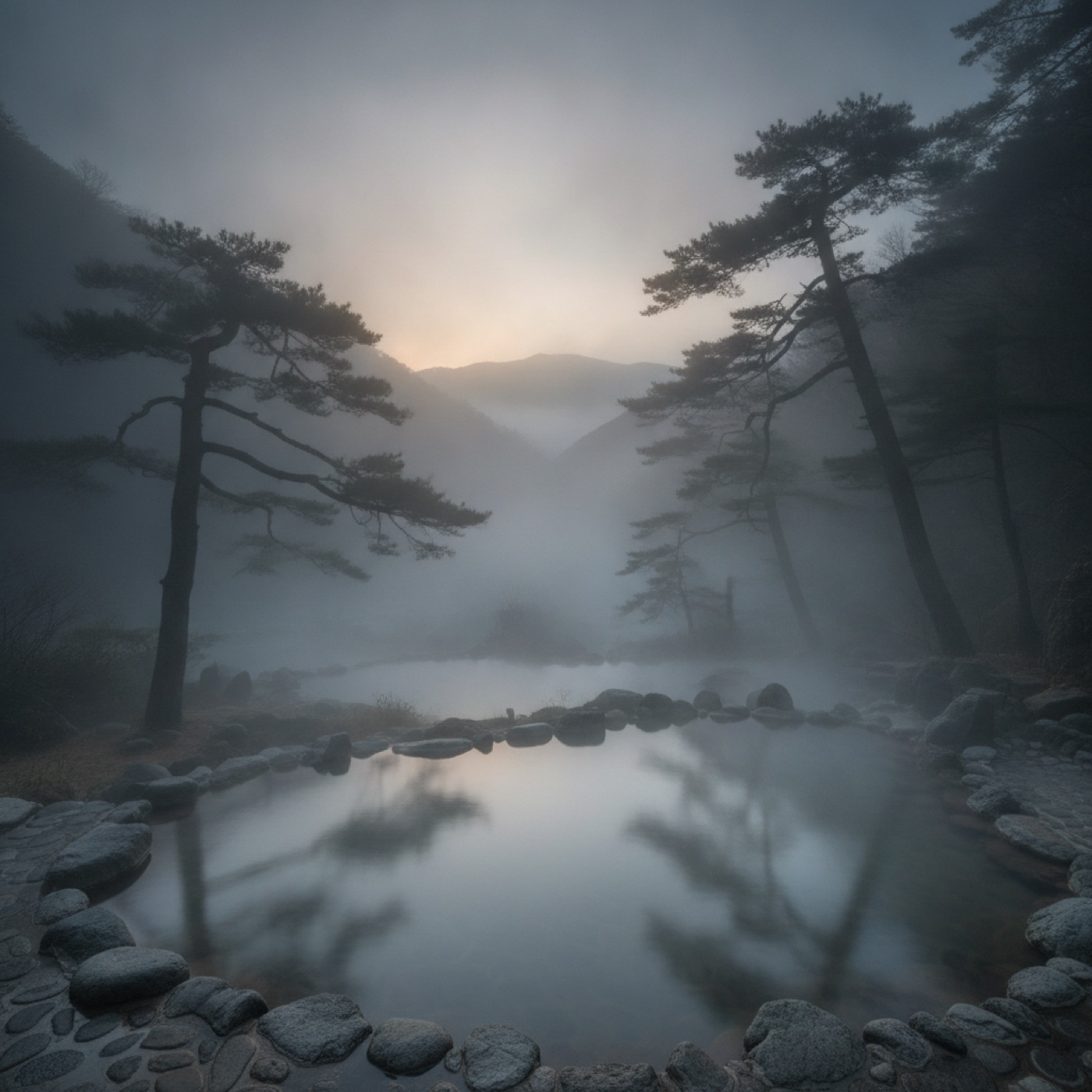
If you're dreaming of a unique winter wonderland experience in Japan, the Yunishigawa Onsen Kamakura Snow Hut Festival offers a captivating blend of natural beauty, traditional charm, and cozy warmth. This annual event transforms the snowy landscape into a magical realm of illuminated snow huts, inviting visitors to immerse themselves in a truly unforgettable winter spectacle. The festival typically runs from late January to early March, with specific dates varying each year, allowing ample time to plan your visit to this enchanting destination. For 2026, the festival is scheduled to take place from January 30 to March 1 [1, 11].
What is the Yunishigawa Onsen Kamakura Snow Hut Festival?
At its heart, the Yunishigawa Onsen Kamakura Snow Hut Festival is a celebration of winter, showcasing the traditional Japanese snow hut, known as kamakura. These charming structures, built entirely from snow, are illuminated by the soft glow of candles, creating a breathtakingly beautiful atmosphere. The festival is spread across several key locations, each offering a distinct experience of this snowy spectacle. It's a chance to witness a unique cultural event that highlights the beauty of winter in a traditional Japanese setting. The festival is recognized for its stunning nighttime illuminations, with the Sawaguchi Riverbed venue being designated as a "Japan Night View Heritage" [1, 4]. This prestigious recognition underscores the exceptional beauty and atmosphere of the illuminated snow huts.
Where Can You Experience the Festival?
The Yunishigawa Onsen Kamakura Snow Hut Festival is celebrated across three main venues, each offering a different facet of the winter experience:
Sawaguchi Riverbed: A Sea of Candlelit Kamakura
The Sawaguchi Riverbed is perhaps the most iconic location of the festival. Here, hundreds of miniature kamakura are meticulously crafted and illuminated with countless candles. As dusk settles, the riverbed transforms into a breathtaking spectacle of soft, flickering lights against the snowy backdrop. This area is particularly famous for its romantic and serene ambiance, making it a highlight for many visitors [1, 4]. The illumination at this venue is a special event, occurring only on Fridays, Saturdays, and Sundays from 5:30 p.m. to 9:00 p.m. [1]. The best part for many is that admission to this stunning display is completely free [1].
Heike no Sato Village: A Historic Village in Snow
Heike no Sato Village offers a more immersive cultural experience. This preserved historical village, with its traditional thatched-roof houses, becomes even more enchanting when blanketed in snow. During the festival, the village also features kamakura illuminations, adding a magical glow to its historic architecture. It serves as a main festival site, providing a glimpse into rural Japanese life during winter [1, 2, 5]. The village is open daily from 9:00 a.m. to 9:00 p.m., with the last entry at 8:45 p.m. [1]. The evening illuminations here also run from 5:30 p.m. to 9:00 p.m. [1]. To explore the village and enjoy its festive atmosphere, there is an admission fee: 510 JPY for adults and 250 JPY for elementary and junior high school students for a one-day ticket [1].
Yunishigawa Mizu-no-Sato Snow Park: Snow Play and Hot Springs
For those seeking active winter fun, the Yunishigawa Mizu-no-Sato Snow Park is the ideal destination. This park provides a range of snow play activities, including sledding, allowing visitors of all ages to enjoy the snow. Complementing the outdoor fun, the park also offers access to a relaxing hot spring bath, providing a perfect way to warm up after a day of play [1, 3]. Admission to the snow park is 1,200 JPY for adults and 600 JPY for children, and this fee includes both sledding and access to the hot spring bath [1]. The hot spring facility is open from 10:00 a.m. to 7:00 p.m., with the last entry at 6:00 p.m. [1]. Please note that the snow park is typically closed on Wednesdays [1].
Dining in a Kamakura: A Unique Culinary Experience
One of the most unique aspects of the Yunishigawa Onsen Kamakura Snow Hut Festival is the opportunity to dine inside a larger kamakura. Imagine enjoying a warm meal, such as a hearty BBQ or a comforting hot pot, while nestled within your own private snow house. This offers an unparalleled dining experience, combining the coziness of the kamakura with delicious local cuisine. These special dining experiences typically require advance reservations, so it's advisable to plan ahead to secure your spot [6, 14].
The Soothing Waters of Yunishigawa Onsen
Yunishigawa Onsen itself is renowned for its therapeutic hot springs. The water is a gentle, clear, colorless alkaline simple hot spring, often described as having a smooth feel on the skin [18, 19]. It's affectionately known as a "hot spring for beautiful skin" due to its reputed skin-softening properties [18]. After a day exploring the snow huts and enjoying winter activities, soaking in these mineral-rich waters is the perfect way to relax and rejuvenate. The onsen experience is an integral part of visiting Yunishigawa, offering a warm embrace against the winter chill [18, 19].
Understanding Onsen Etiquette: Tattoos and Other Considerations
When visiting Japanese onsen, it's important to be aware of common etiquette. Traditionally, many onsen have policies that prohibit visible tattoos due to historical associations [20, 23]. However, policies can vary significantly between establishments [21]. If you have tattoos, it's always best to check the specific rules of the onsen you plan to visit. A common and often tattoo-friendly alternative is to book a private bath, known as kashikiri buro [21, 22]. These private rooms offer a more intimate onsen experience and are generally more accommodating for guests with tattoos.
Planning Your Trip to Yunishigawa Onsen
Reaching Yunishigawa Onsen requires a bit of planning, but it's a journey well worth the effort to experience the Kamakura Snow Hut Festival.
Getting There from Tokyo
The most common route from Tokyo involves taking a train to Kinugawa-Onsen Station. This journey typically takes around 2 hours [7, 8]. From Kinugawa-Onsen Station, you will then need to catch a bus to Yunishigawa Onsen. This bus ride takes approximately 1 hour and costs around 2,050 JPY one way [7, 8].
An alternative route is to take a train directly to Yunishigawa Onsen Station. From this station, you can then take a bus to your final destination within Yunishigawa Onsen. This bus journey is shorter, taking about 25-30 minutes, and costs approximately 1,050 JPY one way [7, 8].
Important Notes on Transportation
When using the buses to Yunishigawa Onsen, please be aware that IC cards, such as Suica or Pasmo, are generally not accepted for payment [7]. It is essential to have cash on hand for bus fares, or you can purchase free pass tickets if available [7].
What to Pack for the Festival
Winter in Yunishigawa can be very cold, with significant snowfall. It is crucial to dress warmly and appropriately for the conditions.
Essential Clothing and Footwear
Visitors should wear warm layers, including thermal underwear, sweaters, and a heavy, waterproof outer coat. Thermal trousers are also highly recommended. For footwear, waterproof boots with good grip are essential due to the snowy and potentially icy terrain [1, 12]. Good traction will help prevent slips and falls.
Prohibited Items
For the safety and enjoyment of all visitors, certain items are not permitted at the festival venues. This includes pets, so please leave your furry friends at home [1, 10]. Additionally, the use of drones is prohibited [1, 10].
Comparing Festival Venues
To help you decide which venues best suit your interests, here's a quick comparison:
| Feature | Sawaguchi Riverbed | Heike no Sato Village | Yunishigawa Mizu-no-Sato Snow Park |
|---|---|---|---|
| Primary Attraction | Illuminated miniature kamakura, night view | Historic village, kamakura illuminations, culture | Snow play (sledding), hot springs |
| Illumination Hours | Fri, Sat, Sun: 5:30 PM - 9:00 PM | Daily: 5:30 PM - 9:00 PM | N/A (daytime activities) |
| Daytime Activities | None | Village exploration | Sledding, snow activities |
| Admission Fee | Free | 510 JPY (Adult), 250 JPY (Child) | 1,200 JPY (Adult), 600 JPY (Child) (incl. sledding & hot spring) |
| Atmosphere | Romantic, serene, breathtaking | Cultural, historical, enchanting | Fun, active, relaxing |
| Food Options | None | Limited village food stalls | Hot spring cafe |
| Reservation Needed | N/A | N/A | N/A |
When to Visit for the Best Experience
The festival runs for an extended period, typically from late January to early March [1]. For the most magical experience, consider visiting on a clear evening during the weekend when the illuminations at the Sawaguchi Riverbed are active [1]. The snow conditions are usually at their best during this period, offering a pristine winter landscape.
Frequently Asked Questions
Are there any dining options inside the kamakura?
Yes, larger kamakura are available for unique dining experiences like BBQ or hot pot, but these usually require advance reservations [6, 14].
Can I use my IC card on the buses?
No, IC cards are generally not accepted on buses to Yunishigawa Onsen. You will need to pay with cash or use free pass tickets [7].
Is the festival suitable for families with children?
Absolutely. The snow park offers plenty of activities for children, and the illuminated kamakura create a magical atmosphere that children will find enchanting.
What is the best way to get to Yunishigawa Onsen from Tokyo?
Take a train to Kinugawa-Onsen Station (approx. 2 hours) and then a bus (approx. 1 hour), or take a train directly to Yunishigawa Onsen Station and then a bus (25-30 minutes) [7, 8].
What should I wear to the festival?
Dress in warm layers, including thermal wear, a heavy waterproof coat, and waterproof boots with good grip. The weather can be very cold with heavy snowfall [1, 12].
Conclusion
The Yunishigawa Onsen Kamakura Snow Hut Festival is a truly special event that offers a unique glimpse into Japanese winter culture and natural beauty. From the mesmerizing candlelit snow huts along the river to the historical charm of Heike no Sato Village and the active fun at the snow park, there's something for everyone to enjoy. The soothing onsen waters provide the perfect way to conclude your winter adventure. Planning your trip in advance, especially regarding transportation and any desired dining experiences, will ensure a smooth and memorable visit to this enchanting snowy paradise.
Popular onsen towns to stay in
One stay in each of three classic onsen towns, listed on Rakuten Travel, Japan's largest domestic booking site.
- 箱根湯本温泉 伊東園ホテル 箱根湯本 Hakone · ★ 4.0 (625 reviews) · from ¥7,898
- 草津温泉 5種貸切風呂の宿 湯宿 きんだい Kusatsu · ★ 4.4 (532 reviews) · from ¥13,000
- 城崎温泉 しののめ荘 Kinosaki · ★ 3.8 (122 reviews) · from ¥11,900
Links open Rakuten Travel, which is in Japanese — your browser's built-in translation handles the booking pages well. We may earn a commission at no extra cost to you.
Sources
[1] japan-guide.com — https://www.japan-guide.com/e/e3882.html [2] visit-tochigi.com — https://www.visit-tochigi.com/suggested-itineraries/19388/ [3] visit-tochigi.com — https://www.visit-tochigi.com/plan-your-trip/things-to-do/798/ [4] jasumo.com — https://jasumo.com/listing/yunishigawa-kamakura-festival/ [5] nearbytokyo.com — https://nearbytokyo.com/events/yunishigawa-igloo-festival/ [6] rakuten.com — https://travel.rakuten.com/contents/usa/en-us/guide/yunishigawa-onsen-kamakura-festival/ [7] tobu.co.jp — https://www.tobu.co.jp/en/sightseeing/news/1791.html [8] ana.co.jp — https://www.ana.co.jp/en/us/japan-travel-planner/tochigi/0000009.html [10] visitnikko.jp — https://api.visitnikko.jp/api/media/file/Yunishigawa%20Onsen%20Kamakura%20Snow%20House%20Festival.pdf [11] kshouse.jp — https://kshouse.jp/articles/en/visiting-yunishikawa-onsen-the-2026-kamakura-festival/ [12] veltra.com — https://www.veltra.com/en/travelguide/tokyo/nikko-kamakura-snow-house/ [14] festinjapan.jp — https://festinjapan.jp/festivals/yunishigawa-kamakura [18] kamenoi-hotels.com — https://kamenoi-hotels.com/en/nikkoyunishigawa/onsen/ [19] yukujapan.com — https://yukujapan.com/places/yunishigawa-onsen-kanto [20] thejapanode.com — https://thejapanode.com/guides/japan-onsen-etiquette-tattoo-guide [21] ryokanretreat.com — https://ryokanretreat.com/onsen-with-tattoos-japan/ [22] kashiwaya.org — https://www.kashiwaya.org/e/magazine/onsen/tattoos.html [23] danielefromrome.com — https://www.danielefromrome.com/why-japanese-tattoos-are-not-admitted-in-onsen/
Ready to plan your visit?
Prices and slots for popular baths change with the season — check today's availability before you build your itinerary.
Check availability on Klook