Experience Akita's Winter Magic: Yokote Kamakura Festival and Serene Onsen Retreat
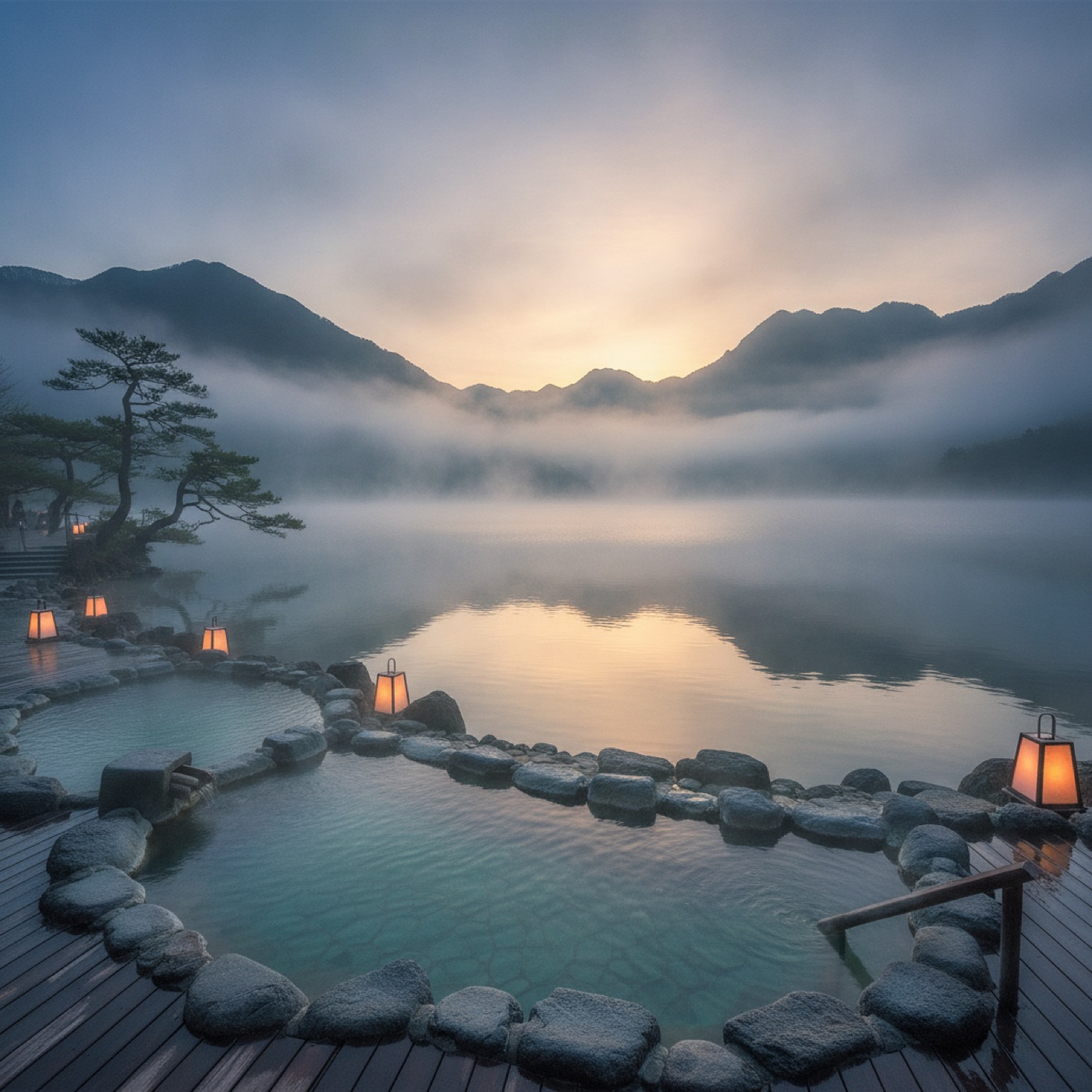
Combine the enchanting snow huts of the Yokote Kamakura Festival with a relaxing overnight stay in Akita's famous hot springs. This guide helps you plan a memorable winter trip, blending cultural immersion with natural rejuvenation. The festival offers a unique glimpse into a 450-year-old tradition, while Akita's onsen provide a perfect way to unwind.
What is the Yokote Kamakura Festival?
The Yokote Kamakura Festival is a cherished winter event in Akita Prefecture, celebrating a tradition that is over 450 years old [3]. Held annually on February 15 and 16, it transforms the city of Yokote into a wonderland of snow [3]. For the years 2026 through 2029, the festival dates have been adjusted to the second Friday and Saturday of February, offering a consistent planning window for visitors [3]. The heart of the festival lies in the "kamakura," which are igloo-like snow huts built throughout the city [3, 7]. These structures are not just for show; they are integral to a local custom involving the worship of the water deity [3].
From 6 PM to 9 PM each festival evening, these kamakura are beautifully illuminated, creating a magical atmosphere [3, 8]. Inside the huts, children, often dressed in traditional attire, extend invitations to visitors [3]. They offer guests amazake, a sweet, non-alcoholic rice wine, and mochi, traditional rice cakes [3, 8]. This act of sharing is a symbolic offering to the water deity, a practice deeply rooted in the festival's history [3]. The festival venues are conveniently located, with Yokote City Hall Honchoshamae Doro Park and Yokote Park being approximately a 10-minute walk from JR Yokote Station [7]. To make navigating between these sites easier, a free shuttle bus service operates from around 5:40 PM to 9:00 PM during the festival [7].
When visiting the Yokote Kamakura Festival, it is crucial to be prepared for the winter conditions. Temperatures in Yokote during February can drop significantly, often falling below -10°C [7]. Therefore, visitors are strongly advised to wear heavy winter gear [7]. This includes warm, waterproof clothing, thermal layers, thick socks, gloves, hats, and most importantly, sturdy snow boots that provide good traction on icy surfaces [7].
Discovering Nyuto Onsenkyo: Akita's Hidden Hot Spring Gem
After experiencing the vibrant atmosphere of the Yokote Kamakura Festival, a visit to Nyuto Onsenkyo offers a perfect contrast of tranquility and natural beauty [10]. Located in the stunning Towada-Hachimantai National Park, at the foot of Mt. Nyuto, this is not a single hot spring town but rather a collection of seven distinct onsen resorts [10, 11]. Each of these resorts boasts its own unique spring source, resulting in a diverse range of water qualities and therapeutic properties [10, 12].
The variety of springs in Nyuto Onsenkyo is one of its most appealing features [10]. Some inns, like Tsurunoyu and Kuroyu Onsen, are known for their milky white sulfur springs, which are often associated with a relaxing and restorative experience [10]. Others, such as Ganiba Onsen, offer clear, colorless bicarbonate springs [10]. These different water types are believed to offer various benefits, traditionally said to help with ailments like neuralgia and muscle pain [10]. The natural setting of Nyuto Onsenkyo, surrounded by forests and mountains, enhances the sense of peace and escape [11].
Reaching this secluded onsen paradise is straightforward for travelers [13]. From JR Tazawako Station, you can catch the "Nyuto Line" bus, which will take you directly to the onsen village [13]. The bus journey itself is scenic and takes approximately 40 to 45 minutes, allowing you to gradually immerse yourself in the natural surroundings [13].
Planning Your Overnight Stay in Nyuto Onsenkyo
An overnight stay is highly recommended to fully appreciate the charm and relaxation offered by Nyuto Onsenkyo [10]. The traditional Japanese inns, known as ryokan, provide an authentic experience of Japanese hospitality [12]. Accommodation costs can vary depending on the specific ryokan and the type of plan you choose [14]. For example, a basic room at Kuroyu Onsen without meals might be around 5,000 JPY per person per night, while more comprehensive packages with meals at other ryokan can exceed 9,800 JPY per person per night [14]. These prices typically include the use of the onsen facilities [14].
To make exploring the different onsen within Nyuto Onsenkyo easier, a convenient shuttle bus service called "Yumeguri-go" connects the seven inns [15]. For a small fee, you can enhance your onsen hopping experience. A "Yumeguri Map" costs 1,000 JPY and allows for unlimited bus rides for one day [15]. If you are staying overnight, consider purchasing an "Onsen Pass" (Yumeguri-cho) for 2,500 JPY [15]. This pass not only covers bus usage but also grants you entry to all seven hot springs, allowing you to sample the unique waters of each resort [15].
When visiting any Japanese onsen, it's important to be aware of and respect traditional etiquette [16]. Onsen bathing is typically done in complete nudity; swimwear is not permitted [16]. Before entering the bathing pools, it is essential to thoroughly wash your body at the designated washing stations [16]. This ensures cleanliness for all bathers [16]. You will usually be provided with small towels, which are meant for washing and drying yourself, not for bringing into the hot spring water itself [16]. It's common practice to either place the towel on your head or to the side of the bath while you soak [16]. If you have long hair, it should be tied up to prevent it from falling into the water [16]. Maintaining a quiet and respectful atmosphere in the bathing area is also appreciated by other guests [16].
Browse Nyuto Onsen ryokan & hotel deals on Expedia → Find onsen experiences across Japan on Klook →
Comparing Your Winter Akita Experience
To help you visualize your trip, here's a comparison of the key aspects of the Yokote Kamakura Festival and a Nyuto Onsenkyo stay:
| Feature | Yokote Kamakura Festival | Nyuto Onsenkyo |
|---|---|---|
| Primary Focus | Cultural winter festival, snow architecture, community | Natural hot springs, relaxation, scenic beauty |
| Location | Yokote City, Akita Prefecture | Towada-Hachimantai National Park, Akita Prefecture |
| Key Activities | Viewing illuminated kamakura, enjoying amazake & mochi | Soaking in diverse hot springs, enjoying ryokan meals |
| Atmosphere | Lively, communal, festive | Peaceful, serene, natural |
| Best Time to Visit | February 15-16 (or 2nd Fri/Sat of Feb for 2026-2029) | Year-round, but especially scenic in winter |
| Typical Duration | Evening event (6 PM - 9 PM) | Overnight stay recommended |
| Accessibility | Approx. 10 min walk from JR Yokote Station | Approx. 40-45 min bus from JR Tazawako Station |
| Clothing Needs | Heavy winter gear, snow boots | Comfortable clothing for travel, swimwear not needed |
Getting to Akita and Between Locations
Akita Prefecture is accessible by air and rail. The nearest major airport is Akita Airport (AXT), which receives domestic flights from cities like Tokyo and Osaka [1]. From Akita Airport, you can take a limousine bus to Akita Station [1]. For those traveling by Shinkansen (bullet train), Akita Station is the main hub, with direct routes from Tokyo [1].
To reach Yokote City from Akita Station, you can take the JR Ou Main Line, which takes approximately 40-50 minutes [7]. For the Yokote Kamakura Festival, JR Yokote Station is your primary arrival point [7].
If your itinerary includes both the festival and Nyuto Onsenkyo, you will likely travel from Yokote to JR Tazawako Station. You can do this by taking a train back to Akita Station and then transferring to the JR Tazawako Line, or by checking for direct train connections if available. From JR Tazawako Station, the "Nyuto Line" bus will take you to Nyuto Onsenkyo [13]. The journey from JR Tazawako Station to Nyuto Onsenkyo is about 40-45 minutes [13]. Planning your train and bus connections in advance is recommended, especially during peak travel times.
Frequently Asked Questions
When is the best time to visit the Yokote Kamakura Festival? The festival is held on February 15 and 16 each year. For the years 2026-2029, the dates are the second Friday and Saturday of February [3].
What should I wear to the festival? You will need heavy winter clothing, including warm layers, waterproof outerwear, a hat, gloves, and sturdy snow boots, as temperatures can be very cold, below -10°C [7].
How do I get to Nyuto Onsenkyo? From JR Tazawako Station, take the "Nyuto Line" bus. The ride takes about 40-45 minutes [13].
Can I visit multiple onsen in Nyuto Onsenkyo in one day? Yes, the "Yumeguri-go" shuttle bus connects the seven inns. An "Onsen Pass" (Yumeguri-cho) allows for unlimited bus use and entry to all seven hot springs for overnight guests [15].
Is there an entrance fee for the Yokote Kamakura Festival? The festival itself is a public event, and there is no general entrance fee to view the kamakura [3, 7]. However, you may be offered amazake and mochi inside the kamakura as part of the tradition [3].
Are there any English-speaking staff at Nyuto Onsenkyo ryokan? While not guaranteed at all inns, many popular ryokan in tourist areas like Nyuto Onsenkyo are increasingly accommodating international visitors and may have some English-speaking staff or information available [12, 14]. It is advisable to check with the specific ryokan in advance if this is a concern.
Conclusion
A winter trip to Akita Prefecture offers a delightful combination of cultural immersion and natural relaxation. The Yokote Kamakura Festival provides a unique, heartwarming experience with its ancient traditions and glowing snow huts [3]. Following this festive engagement, the tranquil embrace of Nyuto Onsenkyo's hot springs offers a perfect counterpoint, allowing you to unwind amidst stunning natural scenery [10, 11]. By understanding the festival dates, onsen access, and accommodation options, you can craft an unforgettable Japanese winter adventure.
Popular onsen towns to stay in
One stay in each of three classic onsen towns, listed on Rakuten Travel, Japan's largest domestic booking site.
- 箱根湯本温泉 伊東園ホテル 箱根湯本 Hakone · ★ 4.0 (625 reviews) · from ¥7,898
- 草津温泉 5種貸切風呂の宿 湯宿 きんだい Kusatsu · ★ 4.4 (532 reviews) · from ¥13,000
- 城崎温泉 しののめ荘 Kinosaki · ★ 3.8 (122 reviews) · from ¥11,900
Links open Rakuten Travel, which is in Japanese — your browser's built-in translation handles the booking pages well. We may earn a commission at no extra cost to you.
Sources
[1] ana.co.jp — https://www.ana.co.jp/en/us/japan-travel-planner/akita/0000013.html [3] festinjapan.jp — https://festinjapan.jp/festivals/yokote-kamakura [7] japan-guide.com — https://www.japan-guide.com/e/e3690.html [8] rakuten.com — https://travel.rakuten.com/contents/usa/en-us/guide/yokote-kamakura-snow-festival-guide/ [10] onsenista.com — https://onsenista.com/onsen-area/nyutoonsenkyo/ [11] japan.travel — https://www.japan.travel/en/spot/1817/ [12] luxuryjapantravel.com — https://luxuryjapantravel.com/japan/nyuto-onsen [13] tohokukanko.jp — https://www.tohokukanko.jp/en/attractions/detail_1651.html [14] stayakita.com — https://stayakita.com/discover/onsen [15] gltjp.com — https://www.gltjp.com/en/article/item/20574/ [16] navitime.com — https://japantravel.navitime.com/en/area/jp/feature/onsen/area/A0105?page=1
Ready to plan your visit?
Prices and slots for popular baths change with the season — check today's availability before you build your itinerary.
Check availability on Klook