Experiencing Vegetarian & Vegan Kaiseki at Japanese Onsen Ryokan
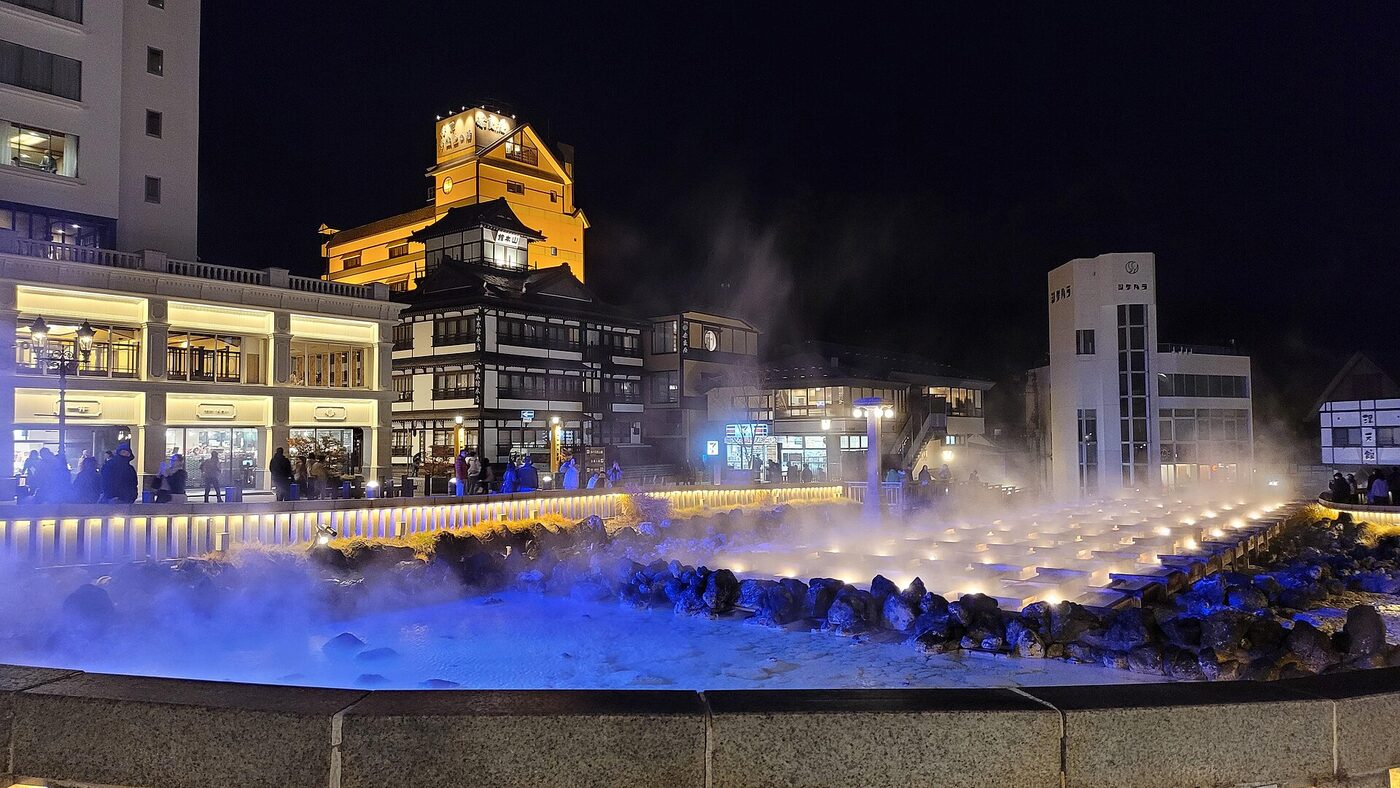
Enjoying a traditional Japanese onsen ryokan is a highlight of any trip to Japan, offering serene hot springs and exquisite multi-course dinners known as kaiseki. For vegetarians and vegans, the question of experiencing this culinary art form can be daunting, but with careful planning, it is entirely possible. The key is understanding common Japanese culinary practices and communicating your needs clearly and well in advance.
Navigating the "Dashi Problem" for Plant-Based Dining
The most significant challenge for vegetarians and vegans when dining at Japanese establishments is "dashi," the fundamental stock used in many dishes. Traditionally, dashi is made with bonito flakes (katsuobushi), which are dried, smoked, and fermented skipjack tuna [3, 4, 5, 6, 7, 8, 16, 17, 22]. This means that even dishes described as "vegetable" or "vegetarian" may not be truly plant-based if they use this fish-based stock. To ensure your kaiseki meal is genuinely vegetarian or vegan, you must explicitly request that dashi be prepared using only kombu (kelp) or shiitake mushrooms [3, 4, 5, 6, 7, 8, 16, 17, 22].
Why Advance Notice is Crucial for Dietary Needs
When planning your ryokan stay, remember that dietary restrictions, particularly for vegetarian or vegan kaiseki, require significant preparation from the kitchen. It is essential to communicate these needs at the time of booking, ideally in writing, and at least 7 to 14 days in advance [3, 4, 6, 7, 8, 13, 16, 17, 22, 23, 26]. Ryokan chefs need time to source appropriate ingredients and adjust their menus accordingly. Last-minute changes are very difficult to accommodate, as kaiseki menus are often planned days ahead [4, 7, 13, 16, 26].
Understanding "Vegetarian" in a Japanese Context
The interpretation of "vegetarian" (ベジタリアン) in Japan can differ from Western understanding. It is frequently understood as pescatarian, meaning fish is permitted [3, 8]. This is why specifying your needs regarding fish-based dashi is so important for those seeking a truly plant-based experience. For those who are strictly vegan, excluding not only meat and fish but also eggs, dairy, and honey, the challenge is even greater [3, 4, 6, 17, 22]. Dedicated preparation is required, including separate stocks and sauces, so confirming this level of commitment from the ryokan is vital [3, 4, 6, 17, 22].
Koyasan: A Reliable Haven for Strict Vegans and Vegetarians
For travelers seeking a guaranteed vegan or vegetarian experience, the temple lodgings (shukubo) in Koyasan offer a unique and reliable solution. These accommodations serve shojin ryori, traditional Buddhist cuisine that is inherently plant-based by religious rule [3, 4, 7, 8]. Shojin ryori excludes meat, fish, eggs, dairy, and even pungent vegetables like garlic and onions, focusing on seasonal produce and simple, elegant preparations. Stays at Koyasan shukubo, including two meals, typically range from ¥10,000 to ¥25,000 per person [3, 4, 7, 8].
What to Expect in a Typical Ryokan Stay
A standard ryokan stay usually includes both a kaiseki dinner and a Japanese breakfast. The cost for such a package typically ranges from ¥25,000 to ¥50,000 per person [4, 20, 21, 28, 29, 30]. For more luxurious experiences, prices can exceed ¥100,000 per person [4, 20, 21, 28, 29, 30]. While the cost is higher than a standard hotel, it encompasses the accommodation, the onsen experience, and the elaborate kaiseki meal, making it a comprehensive cultural immersion.
Tattoo Policies and Onsen Etiquette
Tattoos are a common concern for visitors planning to use onsen. While there is no law prohibiting tattoos in Japanese hot springs, many facilities still refuse entry. A survey in 2015 indicated that 56% of facilities had such policies [1, 9, 32]. However, some areas and individual ryokans are becoming more tattoo-friendly. For instance, some establishments in Kinosaki Onsen are known to be welcoming [1, 9, 32]. It is always best to confirm the specific ryokan's policy directly before booking.
Private Onsen: An Alternative for Privacy and Inclusivity
If you have tattoos or simply prefer more privacy, many ryokans offer rooms with private open-air baths attached. Alternatively, some ryokans have reservable family baths that can be booked for a private bathing session [1, 9, 13, 25, 27]. These options provide a wonderful way to enjoy the onsen experience without concerns about facility policies or sharing the bath with others [1, 9, 13, 25, 27].
The Best Approach to Booking and Confirmation
To ensure a smooth experience, it is highly recommended to book directly with the ryokan after researching them on booking sites. Check the ryokan's official website for the most up-to-date information and details [4, 7, 15, 26]. After making your reservation, re-confirm your dietary requests via email or phone. Relying solely on notes within online travel agency (OTA) bookings can sometimes lead to miscommunication [4, 7, 15, 26].
Crafting Your Dietary Request
When communicating your dietary needs, using specific phrasing is crucial. A clear and polite request can make all the difference. Consider sending a message like this: "I am vegetarian/vegan. Please prepare all dishes without meat, fish, or bonito dashi (katsuobushi). Kombu or shiitake dashi is fine. Could you confirm you can do this for every course?" [4]. This leaves no room for ambiguity and prompts the ryokan to confirm their ability to meet your specific requirements.
Understanding Additional Charges: The Onsen Tax
Be aware that in addition to the room and meal charges, there is often an onsen tax (nyuyo-zei) [cite]. This is a local tax collected by the accommodation on behalf of the municipality. The amount varies depending on the location, typically ranging from ¥50 for a day visit to ¥500 per night for overnight stays [cite]. This is usually collected at the property upon check-out.
Comparing Options: Ryokan vs. Koyasan Shukubo
| Feature | Traditional Onsen Ryokan (with Vegetarian/Vegan Kaiseki) | Koyasan Shukubo (Temple Lodging) |
|---|---|---|
| Dietary Focus | Can accommodate with advance notice and specific requests. "Vegetarian" may include fish; strict vegan requires careful confirmation. | Naturally vegan (Shojin Ryori) by religious rule. Excludes meat, fish, dairy, eggs, pungent vegetables. |
| Dashi Preparation | Must explicitly request kombu or shiitake dashi. Bonito dashi is common. | N/A (no dashi used in the traditional sense; plant-based ingredients are the focus). |
| Advance Notice Required | 7-14 days minimum, in writing, at booking. | Generally not required for dietary needs as the cuisine is inherently vegan. |
| Typical Cost (per person, per night, incl. 2 meals) | ¥25,000 – ¥50,000+ | ¥10,000 – ¥25,000 |
| Onsen Access | Varies; some have private baths, others communal. Tattoo policies differ. | Varies; may have communal baths. Dietary is the primary focus. |
| Atmosphere | Traditional Japanese hospitality, relaxation, onsen focus. | Spiritual, serene, Buddhist culture immersion. |
| Booking Recommendation | Book directly, re-confirm dietary needs. | Book directly or via temple lodging association websites. |
Finding Vegetarian-Friendly Ryokan
While many ryokans are making efforts to cater to diverse dietary needs, some are more experienced than others. Researching ryokans known for their flexibility or those that explicitly mention vegetarian or vegan options on their websites can be a good starting point [1, 2, 7, 10, 18, 19]. Always remember that the most crucial step is direct communication and confirmation of your specific requirements.
Browse onsen ryokan stays across Japan on Expedia → Browse onsen ryokan stays across Japan on Expedia → Find onsen experiences across Japan on Klook →
Final Thoughts on Your Culinary Onsen Journey
Experiencing a kaiseki dinner at a Japanese onsen ryokan is a deeply rewarding cultural immersion. By understanding the nuances of Japanese cuisine, particularly the role of dashi, and by communicating your vegetarian or vegan needs clearly and well in advance, you can ensure a delicious and authentic dining experience. Whether you opt for a ryokan that can expertly adapt its menu or choose the naturally plant-based shojin ryori of Koyasan, your journey into Japan's culinary and bathing traditions will be unforgettable.
Popular onsen towns to stay in
One stay in each of three classic onsen towns, listed on Rakuten Travel, Japan's largest domestic booking site.
- 箱根湯本温泉 伊東園ホテル 箱根湯本 Hakone · ★ 4.0 (625 reviews) · from ¥7,898
- 草津温泉 5種貸切風呂の宿 湯宿 きんだい Kusatsu · ★ 4.4 (532 reviews) · from ¥13,000
- 城崎温泉 しののめ荘 Kinosaki · ★ 3.8 (122 reviews) · from ¥11,900
Links open Rakuten Travel, which is in Japanese — your browser's built-in translation handles the booking pages well. We may earn a commission at no extra cost to you.
Sources
[1] japanryokanguide.com — https://www.japanryokanguide.com/en/blog/vegetarian-friendly-ryokans-japan [2] japanprep.com — https://www.japanprep.com/where-to-stay/vegetarian-ryokan-japan/ [3] kashiwaya.org — https://www.kashiwaya.org/e/magazine/ryokan/vegetarians.html [4] japaneseinnstay.com — https://www.japaneseinnstay.com/dietary-restrictions-at-a-ryokan-what-you-can-request-and-what-you-cannot [5] japanryokanguide.com — https://www.japanryokanguide.com/en/blog/ryokan-dietary-restrictions-japan [6] japan.travel — https://www.japan.travel/en/guide/vegetarian-guide/ [7] urokorou.com — https://urokorou.com/en/stay/vegan-vegetarian/ [8] ryokan-stay.com — https://www.ryokan-stay.com/dietary-needs-at-the-kaiseki-table-what-the-kitchen-will-adjust-and-what-it-will-not [9] hiddenjapan-gems.com — https://hiddenjapan-gems.com/japanese-ryokan-stay-guide/ [10] go-nagano.net — https://www.go-nagano.net/en/trip-idea/id20060 [13] japan-atlas.com — https://www.japan-atlas.com/blog/ryokan-guide/ [15] ryokanfinder.com — https://ryokanfinder.com/blog/ryokan-cost-guide-2026 [16] ryokanretreat.com — https://ryokanretreat.com/how-much-does-a-ryokan-cost/ [17] japan.travel — https://www.japan.travel/en/guide/japanese-ryokan/ [18] japanryokanguide.com — https://www.japanryokanguide.com/en/collections/japan-vegetarian-private-onsen [19] isitveganjapan.com — https://isitveganjapan.com/food-on-the-go/vegan-friendly-accommodation/ [20] breezejapan.com — https://breezejapan.com/japan-onsen-ryokan-guide/ [21] ryokanwanderings.com — https://www.ryokanwanderings.com/japan-travel-tips/onsen-ryokan-travel-tips [22] mlit.go.jp — https://www.mlit.go.jp/kankocho/ryokan/list_en.html [23] samurai-sauna-magazine.com — https://samurai-sauna-magazine.com/en/guides/onsen-booking-sites-guide [25] (No URL provided for this citation in the FACT PACK) [26] (No URL provided for this citation in the FACT PACK) [27] (No URL provided for this citation in the FACT PACK) [28] (No URL provided for this citation in the FACT PACK) [29] (No URL provided for this citation in the FACT PACK) [30] (No URL provided for this citation in the FACT PACK) [32] (No URL provided for this citation in the FACT PACK)
Ready to plan your visit?
Prices and slots for popular baths change with the season — check today's availability before you build your itinerary.
Check availability on Klook