Finding Wheelchair Accessible Onsen Ryokans in Japan: Your Guide to Accessible Hot Springs
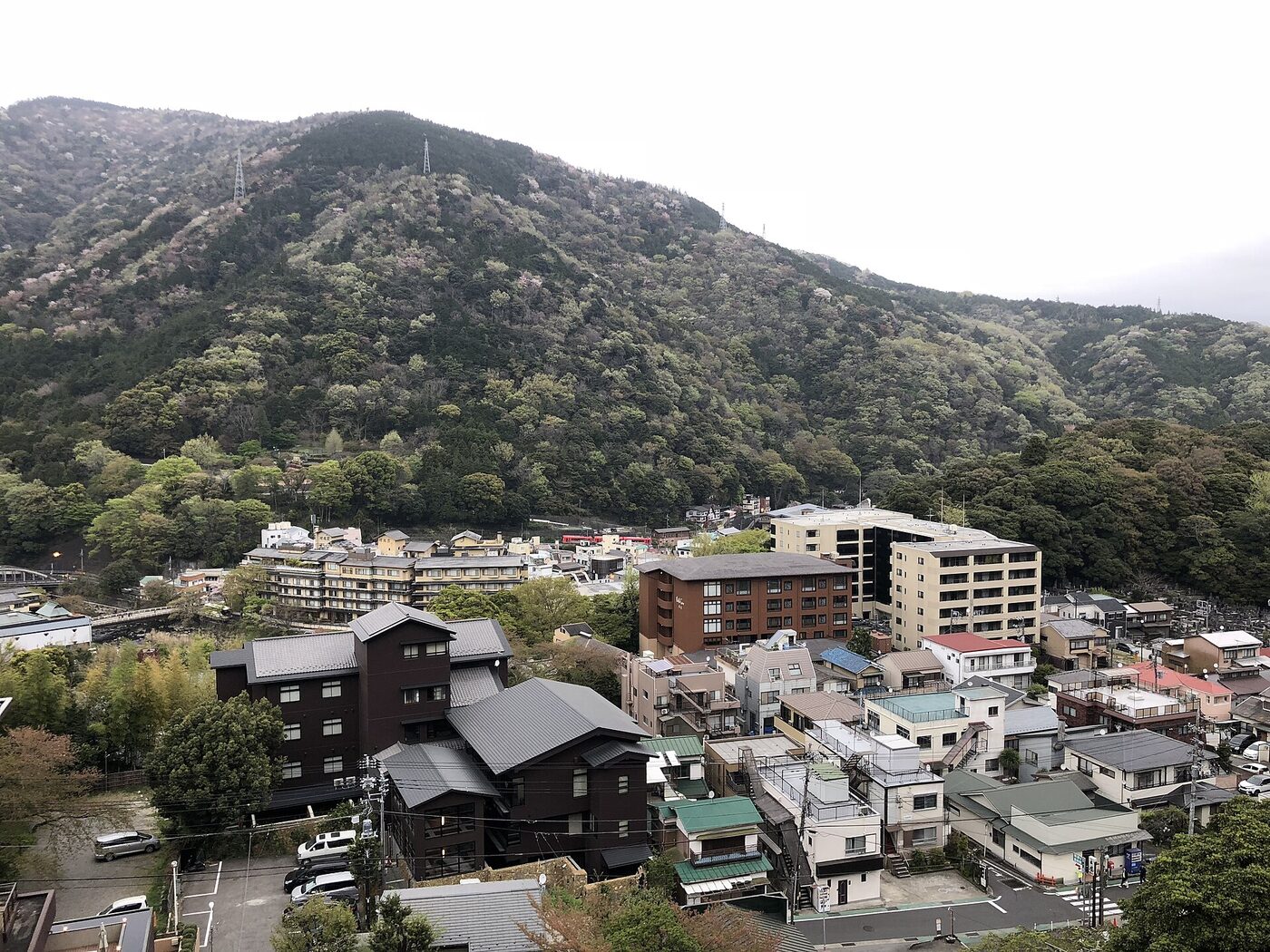
Finding a truly wheelchair-accessible onsen ryokan in Japan can be a rewarding experience, offering a unique cultural immersion. While many traditional ryokans present challenges due to their age and design, a growing number are adapting to welcome guests with mobility needs, often through private baths and thoughtful amenities.
What Does "Accessible" Mean for Japanese Onsen?
When searching for accessible onsen facilities in Japan, the term "barrier-free" (バリアフリー新法, Barrier-Free Shinpō) is key. This refers to designs that accommodate people with disabilities and the elderly. The Barrier-Free Law in Japan mandates accessible features in new public buildings above a certain size [2]. For onsen ryokans, this can translate to several helpful features.
Key Accessibility Features to Look For
Accessible ryokans and onsens often go beyond basic compliance to ensure a comfortable stay. These facilities may include:
- Elevators and Ramps: To navigate different levels of the building and access facilities.
- Handrails: Strategically placed along corridors, in changing rooms, and in bathing areas for support.
- Spacious Changing Rooms: Providing ample space for maneuvering wheelchairs and assistants.
- Accessible Restrooms: Equipped with support handles and slip-resistant flooring, designed for ease of use.
- Specialized Bathing Equipment: Some onsens offer waterproof wheelchairs designed for entering bathing areas, shower chairs, and even electric lifts to assist guests into the hot spring water [3]. These can be invaluable for enjoying the onsen experience safely.
Private Onsen Baths: The Most Accessible Option
Traditional Japanese ryokans often feature communal onsen baths, which can be challenging for wheelchair users due to steps, changing room layouts, and the need to bathe nude with others. For guests with mobility needs, private onsen baths (known as kazoku-buro or kashikiri-buro) or in-room private baths (rotenburo) are often the most practical and enjoyable solution [1].
These private baths offer several advantages:
- Privacy: You can relax without the pressure of communal bathing.
- Control: You can control the temperature and duration of your soak.
- Accessibility: They are often designed with more straightforward access, sometimes featuring walk-in entrances or fewer steps.
- Tattoo-Friendly: Many private baths are also tattoo-friendly, which is a significant advantage as traditional communal onsens often prohibit tattoos due to historical associations [4]. A 2015 survey indicated that 56% of facilities refused tattooed guests [6].
Reservations and Costs for Private Baths
Private onsen baths usually require advance reservations, either when booking your ryokan stay or upon arrival [8]. The cost for these private experiences can vary. While public day-use onsens can be very affordable, with prices as low as ¥250-¥300 (approximately $1.70-$2.00 USD) [8], private family or reserved baths typically cost more. Expect to pay around ¥1100 to ¥2000 (approximately $7.50-$14.00 USD) for an hour-long reservation [8].
Browse onsen ryokan stays across Japan on Expedia →
Are There Specific Accessible Onsen Towns?
Yes, some areas in Japan have made significant efforts to become more accessible for onsen visitors.
Kinosaki Onsen: A Barrier-Free Town
Kinosaki Onsen is frequently cited as one of the most systematically barrier-free onsen towns in Japan [11]. This charming town has worked to improve accessibility throughout its public baths and offers services like wheelchair rentals, making it easier for visitors with mobility challenges to explore and enjoy the hot springs [11].
Beppu: A City of Hot Springs with Accessible Options
Beppu, in Oita Prefecture, is another major onsen destination. The city is actively working to provide accessible facilities. For example, the Yumeru General Purpose Facility in Beppu offers accessible onsen experiences and even provides discounts for disabled guests [13].
Find onsen experiences across Japan on Klook →
Considerations for Bathing Assistance
While many facilities are becoming more accessible, it's important to be aware of specific needs.
Companion and Equipment Limitations
Some accessible onsen baths, particularly those with specialized lifting equipment, may require a companion to be present for safety reasons [12]. It's also worth noting that the special waterproof wheelchairs provided may not allow for full submersion of the shoulders, so guests should be aware of these potential limitations [12].
Tattoo Policies: Navigating Communal Baths
As mentioned, communal onsen baths often have strict no-tattoo policies [4]. While private baths are generally more accommodating, if you plan to use a communal bath, it's essential to check the specific facility's rules. Some places may allow tattoos if they are completely covered with waterproof bandages, but this is not universal [6].
Browse onsen ryokan stays across Japan on Expedia →
General Onsen Etiquette for All Guests
Regardless of accessibility needs, understanding basic onsen etiquette ensures a pleasant experience for everyone.
- Shower First: Always wash your body thoroughly before entering the onsen bath. This keeps the water clean for everyone.
- No Soap in Bath: Do not bring soap, shampoo, or other cleansing products into the bathing water. Use the designated washing areas.
- Nude Bathing: Onsen bathing is traditionally done nude. A small modesty towel is acceptable for covering yourself when walking around, but it should not be brought into the bath water.
- Enter Slowly: Test the water temperature by dipping in a hand or foot before entering fully. Onsen waters can be very hot.
- Quiet Atmosphere: Maintain a quiet and respectful atmosphere in the bathing area.
Potential Therapeutic Benefits of Onsen Waters
While this article focuses on accessibility, it's worth noting that Japanese onsen waters are often renowned for their mineral content and potential therapeutic benefits. For instance, Shibaseki Onsen's mineral-rich waters are traditionally said to help with muscle pain, joint stiffness, and fatigue [10]. Similarly, Horita Onsen's sulfur-rich waters are believed to aid those with chronic pain and poor circulation [10]. These benefits add another layer to the appeal of experiencing an onsen.
Planning Your Accessible Onsen Trip
When planning your trip, it's highly recommended to:
- Contact Ryokans Directly: Before booking, contact your chosen ryokan or onsen facility directly to discuss your specific accessibility needs. Inquire about the availability of accessible rooms, private baths, and any special equipment.
- Check Websites: Look for sections on their websites detailing "barrier-free" facilities or accessibility information.
- Utilize Specialized Travel Agencies: Some travel agencies specialize in accessible travel in Japan and can provide tailored recommendations.
By doing thorough research and communicating your needs, you can find wonderful onsen experiences that are both culturally enriching and comfortably accessible.
Popular onsen towns to stay in
One stay in each of three classic onsen towns, listed on Rakuten Travel, Japan's largest domestic booking site.
- 箱根湯本温泉 伊東園ホテル 箱根湯本 Hakone · ★ 4.0 (625 reviews) · from ¥7,898
- 草津温泉 5種貸切風呂の宿 湯宿 きんだい Kusatsu · ★ 4.4 (532 reviews) · from ¥13,000
- 城崎温泉 しののめ荘 Kinosaki · ★ 3.8 (122 reviews) · from ¥11,900
Links open Rakuten Travel, which is in Japanese — your browser's built-in translation handles the booking pages well. We may earn a commission at no extra cost to you.
Sources
[1] japanryokanguide.com — https://www.japanryokanguide.com/en/blog/wheelchair-accessible-ryokans-japan [2] japan-accessible.com — https://www.japan-accessible.com/enjoy.htm [3] roll2explore.com — https://roll2explore.com/accessible-onsen-in-japan-enjoying-hot-springs-with-ease/ [4] japanryokanguide.com — https://www.japanryokanguide.com/en/blog/tattoo-friendly-ryokans [6] tattoofriendlyonsen.com — https://www.tattoofriendlyonsen.com/guides/can-you-visit-onsen-in-japan-with-tattoos [8] samurai-sauna-magazine.com — https://samurai-sauna-magazine.com/en/guides/accessible-onsen-guide-mobility-needs [10] kamisuwa-shinyu.com — https://www.kamisuwa-shinyu.com/en/universal/ [11] visitkinosaki.com — https://visitkinosaki.com/trip-ideas/barrier-free-in-kinosaki-onsen/ [12] mlit.go.jp — https://www.mlit.go.jp/kankocho/ryokan/list_en.html [13] beppu-jp.com — https://enjoyonsen.city.beppu-jp.com/onsen/accessible-for-all/
Ready to plan your visit?
Prices and slots for popular baths change with the season — check today's availability before you build your itinerary.
Check availability on Klook