Navigating Japanese Onsen: How to Politely Ask About Tattoo Policies at Ryokans
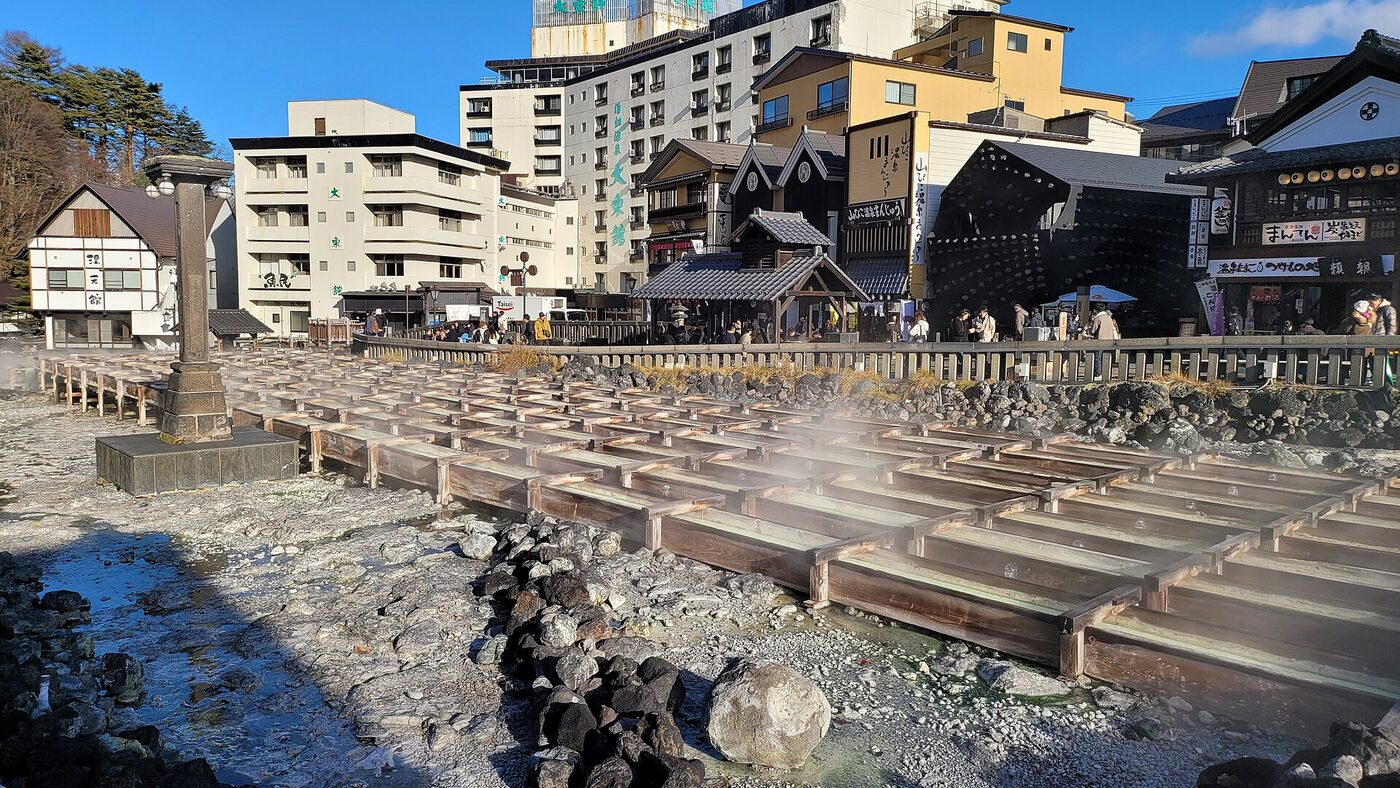
Planning a stay at a traditional Japanese ryokan with onsen (hot springs) is a dream for many travelers. However, if you have tattoos, you might be wondering about their policies. Many onsen still prohibit tattoos due to historical associations with organized crime (Yakuza) [cite: 8, 12, 17]. This article will guide you on how to inquire about these policies politely and effectively in Japanese, ensuring a smooth and enjoyable experience.
Why Do Some Onsen Have Tattoo Policies?
The historical reason behind tattoo bans in many Japanese onsen facilities is the lingering association of tattoos with the Yakuza, Japan's organized crime syndicates [cite: 8, 12, 17]. For a long time, tattoos were predominantly seen on Yakuza members, leading to a widespread perception that anyone with tattoos might be involved in criminal activity. This has unfortunately resulted in blanket bans at many establishments, even for those with tattoos unrelated to any criminal background.
However, the landscape is slowly changing. The Japan Tourism Agency has recognized this issue and published guidelines encouraging onsen facilities to reconsider their strict tattoo bans [cite: 2]. This initiative aims to make onsen more accessible to international tourists who often have tattoos as a form of personal expression. Despite these efforts, it's crucial to remember that tattoo policies vary significantly from one ryokan to another [cite: 5, 9]. Some may be fully accepting, while others might require you to cover your tattoos or maintain a complete prohibition.
Understanding Different Tattoo Policies
Before you even think about booking, it's helpful to understand the spectrum of tattoo policies you might encounter. These can be broadly categorized as follows:
- Strict Ban: These ryokans do not allow any visible tattoos in their public onsen areas.
- Cover-Up Required: You might be permitted to bathe if you can completely cover your tattoos with waterproof bandages or special stickers. The size and placement of your tattoo will determine if this is feasible.
- Tattoo-Friendly: A growing number of ryokans are becoming more accommodating, either allowing tattoos openly or having specific policies that welcome tattooed guests.
It's important to research the specific ryokan you are interested in. Many ryokans that are more welcoming to tattooed guests often advertise this fact on their websites or through dedicated platforms [cite: 4].
How to Inquire About Tattoo Policies in Japanese
The key to a successful inquiry is politeness and clarity. Japanese culture highly values politeness, especially when interacting with service providers. Here's a breakdown of how to ask, along with useful phrases.
1. Before You Contact: Do Your Research
Before reaching out directly, check the ryokan's official website. Look for sections on "よくある質問" (Yoku aru shitsumon - Frequently Asked Questions) or "ご利用案内" (Goriyō annai - Usage Guide). Sometimes, tattoo policies are mentioned here. If you find information on a tattoo-friendly website [cite: 4], it's a good starting point, but always try to confirm with the ryokan itself.
2. Choosing the Right Method of Communication
- Email: This is often the most convenient method for international travelers. It allows you to compose your message carefully and provides a written record.
- Phone: If you are comfortable speaking some Japanese or have a Japanese speaker with you, a phone call can sometimes yield a quicker answer.
- Contact Form: Many ryokan websites have a dedicated contact form.
3. Key Japanese Phrases for Inquiring
Here are some phrases you can adapt. Remember to be respectful and use polite language.
General Polite Inquiry:
- "すみません、お伺いしたいことがあります。" (Sumimasen, oukagai shitai koto ga arimasu.) - Excuse me, I have something I'd like to ask.
- "タトゥー(入れ墨)があるのですが、利用は可能でしょうか?" (Tatuu (irezumi) ga aru no desu ga, riyou wa kanou deshou ka?) - I have a tattoo (or tattoos), is it possible to use the onsen?
More Specific Inquiry (if you know they might have restrictions):
- "公共のお風呂にタトゥーは入れますか?" (Koukyou no ofuro ni tatuu wa hairemasu ka?) - Can I enter the public baths with a tattoo?
- "タトゥーを隠すことはできますか?" (Tatuu o kakusu koto wa dekimasu ka?) - Is it possible to cover my tattoo?
- "もし隠す必要がある場合、どのような方法がありますか?" (Moshi kakusu hitsuyou ga aru baai, dono you na houhou ga arimasu ka?) - If I need to cover it, what methods are available?
Explaining Your Tattoo (if necessary):
- "タトゥーは小さいです。" (Tatuu wa chiisai desu.) - My tattoo is small.
- "タトゥーは腕にあります。" (Tatuu wa ude ni arimasu.) - My tattoo is on my arm.
- "タトゥーは芸術的なものです。" (Tatuu wa geijutsu-teki na mono desu.) - My tattoo is artistic. (Use this cautiously, as it's subjective, but can sometimes help convey it's not Yakuza-related).
Asking about Private Baths:
- "貸切風呂はありますか?" (Kashikiri-buro wa arimasu ka?) - Do you have private baths?
- "貸切風呂であれば、タトゥーがあっても利用できますか?" (Kashikiri-buro de areba, tatuu ga atte mo riyou dekimasu ka?) - If I use a private bath, can I use it even with a tattoo?
4. What to Expect in Their Response
The ryokan staff will likely respond with one of the following:
- "はい、大丈夫です。" (Hai, daijoubu desu.) - Yes, it's okay. (This means tattoos are allowed).
- "申し訳ありませんが、タトゥーのある方はご遠慮いただいております。" (Moushiwake arimasen ga, tatuu no aru kata wa go-enryo itadaite orimasu.) - We apologize, but individuals with tattoos are not permitted. (This is a polite refusal).
- "タトゥーを隠していただければ大丈夫です。" (Tatuu o kakushite itadakereba daijoubu desu.) - It's okay if you can cover your tattoo. They might then ask about the size and location, or suggest specific cover-up methods.
- "貸切風呂でしたら、問題ありません。" (Kashikiri-buro deshitara, mondai arimasen.) - If it's a private bath, there is no problem.
5. If You Need to Cover Your Tattoo
If the ryokan allows tattoos but requires them to be covered, you have a few options:
- Waterproof Bandages: These are readily available at most drugstores in Japan. Bring a good supply if you anticipate needing them.
- Tattoo Cover-Up Stickers/Sleeves: Specialized products designed to conceal tattoos are also available.
It's always best to be prepared. If you know you have a large tattoo that might be difficult to conceal, it's even more important to inquire well in advance.
The Advantage of Private Baths (Kashikiri-buro)
For travelers with tattoos, private baths, often called kashikiri-buro (貸切風呂) or kazoku-buro (家族風呂 - family bath), are a fantastic solution [cite: 5]. These baths are rented out for a specific period, allowing exclusive use for you and your travel companions. Since you are not sharing the bath with other guests, the strict tattoo policies of public onsen often do not apply [cite: 5].
Inquiring about private baths is a great strategy. Even if public onsen are off-limits, a private bath can provide the onsen experience you're looking for without any worries about your tattoos. The cost for a private bath is usually an additional fee on top of your room rate, and they can be booked in advance or upon arrival, depending on the ryokan's policy.
When to Ask About Tattoo Policies
The best time to ask about tattoo policies is before you make your reservation. This allows you to:
- Avoid disappointment: If tattoos are not allowed, you can choose a different ryokan that is more accommodating.
- Plan accordingly: If cover-ups are required, you can prepare the necessary materials.
- Secure private bath bookings: If private baths are your preferred option, you can inquire about their availability and book them in advance, especially during peak seasons.
If you are booking through a travel agency or a third-party website, you can ask them to inquire on your behalf. However, it's always a good idea to get direct confirmation from the ryokan if possible.
Cultural Sensitivity and Etiquette
When asking about tattoos, maintain a respectful and humble demeanor. Avoid being demanding or confrontational. Remember that these policies, while sometimes inconvenient for travelers, are often rooted in historical context and the ryokan's desire to maintain a comfortable environment for all guests.
If you are granted permission to use the onsen with a tattoo, it's essential to adhere to all other onsen etiquette rules. This includes washing thoroughly before entering the bath, not wearing swimwear in the onsen, and keeping noise levels down.
Conclusion
While the prospect of visiting a Japanese onsen with tattoos might seem daunting, it is increasingly achievable. By doing your research, using polite Japanese phrases, and understanding the options available, you can navigate these policies successfully. Private baths offer a wonderful alternative, and with the ongoing shift towards greater inclusivity, more ryokans are becoming tattoo-friendly. A little preparation and respectful inquiry will go a long way in ensuring you have a relaxing and authentic onsen experience.
Browse onsen ryokan stays across Japan on Expedia → Browse onsen ryokan stays across Japan on Expedia → Find onsen experiences across Japan on Klook → Find onsen experiences across Japan on Klook →
Popular onsen towns to stay in
One stay in each of three classic onsen towns, listed on Rakuten Travel, Japan's largest domestic booking site.
- 箱根湯本温泉 伊東園ホテル 箱根湯本 Hakone · ★ 4.0 (625 reviews) · from ¥7,898
- 草津温泉 5種貸切風呂の宿 湯宿 きんだい Kusatsu · ★ 4.4 (532 reviews) · from ¥13,000
- 城崎温泉 しののめ荘 Kinosaki · ★ 3.8 (122 reviews) · from ¥11,900
Links open Rakuten Travel, which is in Japanese — your browser's built-in translation handles the booking pages well. We may earn a commission at no extra cost to you.
Sources
[2] jal.co.jp — https://www.jal.co.jp/br/en/guide-to-japan/plan-your-trip/tips/things-to-know-before-onsen-visit.html [5] tattooonsenguide.com — https://tattooonsenguide.com/faq/are-tattoos-allowed-in-japanese-onsen/ [8] tattoofriendlyonsen.com — https://www.tattoofriendlyonsen.com/guides/can-you-visit-onsen-in-japan-with-tattoos [9] tattoofriendlyonsen.com — https://www.tattoofriendlyonsen.com/guides/can-you-visit-onsen-in-japan-with-tattoos [12] tattoofriendlyonsen.com — https://www.tattoofriendlyonsen.com/guides/can-you-visit-onsen-in-japan-with-tattoos [17] tattoofriendlyonsen.com — https://www.tattoofriendlyonsen.com/guides/can-you-visit-onsen-in-japan-with-tattoos
Ready to plan your visit?
Prices and slots for popular baths change with the season — check today's availability before you build your itinerary.
Check availability on Klook