Understanding Ryokan Cancellation Policies: How Strict Are They for Tourists?
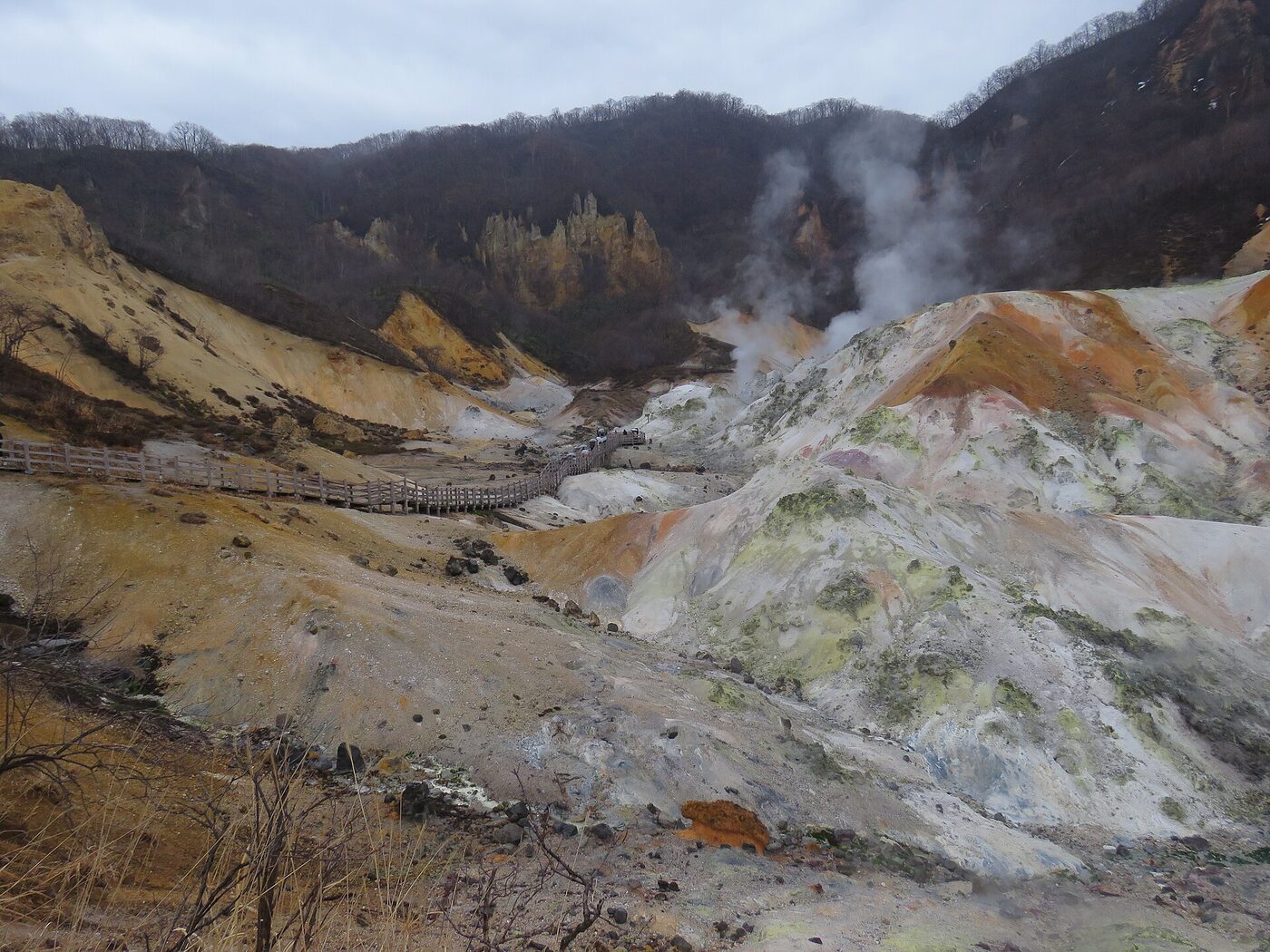
Planning a trip to Japan and dreaming of a traditional ryokan stay? It's essential to understand their cancellation policies. Ryokan cancellation fees can be quite strict, often increasing sharply as your reservation date approaches. While some bookings offer flexibility, many ryokans have clear rules about charges for cancellations, especially for last-minute changes or no-shows.
What is a Ryokan and Why Do They Have Strict Policies?
A ryokan is a traditional Japanese inn that offers a unique cultural experience, often featuring tatami mat rooms, futon bedding, communal onsen (hot springs), and elaborate multi-course meals called kaiseki. These inns are deeply rooted in Japanese hospitality, known as omotenashi. Because ryokans often prepare meals and allocate staff specifically for each guest, they rely on confirmed bookings. This is why their cancellation policies are typically more rigid than those of standard hotels.
Ryokan prices are usually calculated per person, not per room, and this price often includes both dinner and breakfast [7]. This per-person pricing model, combined with the personalized service and meal preparation, means that a last-minute cancellation represents a significant loss of income and resources for the ryokan.
How Do Ryokan Cancellation Policies Work?
The core of ryokan cancellation policies revolves around the timing of your cancellation relative to your check-in date. Generally, the closer you are to your reserved date, the higher the cancellation fee will be. This tiered system is designed to give the ryokan some time to rebook the room if a cancellation occurs well in advance.
A common cancellation fee structure, as seen with many ryokans, is as follows:
- 2-3 days before arrival: Typically, a fee of around 30% of the total booking cost is charged.
- The day before arrival: This fee usually rises to about 50%.
- Same-day cancellation or no-show: This is where the strictest penalties apply, with a 100% cancellation fee charged for the entire booking [1, 4].
If you decide to shorten your stay after you have already checked in, you will usually be charged a 100% cancellation fee for the unused nights [1, 4]. This means that even if you only stay one night of a two-night booking, you might still be responsible for the full cost of the second night.
Factors Influencing Cancellation Policies
While the general structure is common, the exact percentage and timing can vary between different ryokans. Several factors can influence these policies:
- The specific ryokan: Each ryokan sets its own rules based on its size, location, and business model.
- The booking channel: How you book your ryokan can sometimes affect the cancellation terms.
- The season and demand: During peak seasons, such as cherry blossom viewing or autumn foliage, ryokans may have even stricter policies due to high demand.
Booking Through Online Travel Agencies (OTAs)
Booking through international online travel agencies (OTAs) like Booking.com or Agoda can sometimes offer more flexibility. These platforms often have their own cancellation terms that may be more favorable to travelers. For instance, some OTAs might allow free cancellation up to 7 or even 14 days before arrival [4]. However, it's crucial to read the specific cancellation policy associated with your booking on the OTA platform, as it might differ from the ryokan's direct policy.
Browse onsen ryokan stays across Japan on Expedia → Browse onsen ryokan stays across Japan on Expedia →
When to Book Your Ryokan Stay
Understanding when to book is also important, as it relates to securing your preferred dates and understanding potential availability issues that might influence your need to cancel. Many ryokans open reservations 3-6 months in advance [6, 8]. However, for popular ryokans or during peak travel seasons like cherry blossom (spring) or autumn foliage, you might need to book 10-12 months ahead [6, 8]. Booking far in advance can sometimes mean you are less likely to need to cancel, but it also means you need to be very sure of your plans.
Understanding Ryokan Pricing and Inclusions
It's helpful to remember that ryokan prices are typically calculated per person, not per room, and usually include both dinner and breakfast [7]. This means that a cancellation fee will be calculated based on the per-person rate multiplied by the number of guests and the applicable percentage for the cancellation timing.
Navigating Other Ryokan Policies: Tattoos and Onsen Etiquette
Beyond cancellations, other policies are important for a smooth ryokan experience.
Tattoo Policies at Onsen
Onsen are a highlight of the ryokan experience, but tattoo policies can be a concern for some visitors. Policies vary widely:
- Tattoo-friendly: Some onsen facilities welcome guests with tattoos.
- Cover-up required: Others require tattoos to be covered with waterproof stickers [11, 12]. You can often purchase these at the ryokan or convenience stores.
- Strict ban: Some traditional onsen facilities maintain a strict ban on visible tattoos, often due to historical associations with organized crime in Japan [11, 12].
If you have tattoos and are concerned, the most reliable way to enjoy onsen without restrictions is to book a ryokan with private baths (kashikiri) or a room that includes a private open-air bath [11, 13]. This ensures you can relax in the hot springs without worrying about external policies.
Find onsen experiences across Japan on Klook →
General Ryokan Etiquette
Familiarizing yourself with basic ryokan etiquette will enhance your stay:
- Shoes: You are expected to remove your shoes at the entrance (genkan) and again before stepping onto tatami mats in your room [15]. Slippers are usually provided for indoor use.
- Check-in: Check-in is typically in the late afternoon, around 3:00 PM to 4:00 PM [5]. This timing is often to ensure guests arrive in time for dinner, which is usually served at a set time.
- Onsen Etiquette: In communal onsen, it's important to follow etiquette. Guests must refrain from loud talking and enter the bath without any clothing, including swimsuits [10, 16]. Before entering the bath, you should thoroughly wash and rinse your body at the provided washing stations.
What If You Need to Cancel?
If you find yourself needing to cancel your ryokan reservation, here are some steps to take:
- Act Immediately: The sooner you cancel, the lower the potential fee.
- Check Your Booking Confirmation: Review the specific cancellation policy detailed in your booking confirmation email or on the booking platform.
- Contact the Ryokan Directly or Through Your Booking Agent: If you booked directly, contact the ryokan. If you used an OTA, contact them first, as they may handle the cancellation process for you.
- Be Polite and Clear: Explain your situation calmly and clearly. While politeness doesn't guarantee fee waivers, it can be helpful in communication.
- Consider Travel Insurance: For peace of mind, especially with significant bookings, consider purchasing travel insurance that covers cancellations due to unforeseen circumstances.
Find onsen experiences across Japan on Klook →
Comparison of Booking Methods and Flexibility
| Booking Method | Typical Cancellation Flexibility | Notes |
|---|---|---|
| Directly with Ryokan | Varies; can be strict, especially for last-minute cancellations. | Policies are set by the ryokan; direct communication is key. |
| International OTAs | Often more flexible, with free cancellation windows (e.g., 7-14 days). | Always check the specific terms on the OTA platform, as they can differ from the ryokan's direct policy. |
| Travel Agents (Japan) | Can vary; depends on the agent and the specific ryokan they book. | Agents can often help mediate if issues arise. |
Conclusion
Ryokan cancellation policies are generally strict, with fees escalating significantly as the reservation date approaches. Understanding these policies upfront is crucial to avoid unexpected costs and ensure a smooth travel experience. Always read the fine print of your booking confirmation and consider the timing of your cancellation. By being informed and acting promptly, you can navigate these policies with confidence and look forward to your authentic Japanese ryokan stay.
Popular onsen towns to stay in
One stay in each of three classic onsen towns, listed on Rakuten Travel, Japan's largest domestic booking site.
- 箱根湯本温泉 伊東園ホテル 箱根湯本 Hakone · ★ 4.0 (625 reviews) · from ¥7,898
- 草津温泉 5種貸切風呂の宿 湯宿 きんだい Kusatsu · ★ 4.4 (532 reviews) · from ¥13,000
- 城崎温泉 しののめ荘 Kinosaki · ★ 3.8 (122 reviews) · from ¥11,900
Links open Rakuten Travel, which is in Japanese — your browser's built-in translation handles the booking pages well. We may earn a commission at no extra cost to you.
Sources
[1] securedata.net — https://id3482.securedata.net/japaneseguesthouses/reservation.htm [4] securedata.net — http://id3482.securedata.net/japaneseguesthouses/about/cancellation.htm [5] navitime.com — https://japantravel.navitime.com/en/area/jp/guide/NTJonry2500003-en/ [6] japanryokanguide.com — https://www.japanryokanguide.com/en/blog/when-to-book-ryokan-japan [7] japaneseinnstay.com — https://www.japaneseinnstay.com/how-much-does-a-ryokan-stay-cost-in-2026-a-tier-by-tier-price-guide [8] japanesefestival.net — https://japanesefestival.net/nagoya/how-to-book-ryokan-japan/ [10] ryokanwanderings.com — https://www.ryokanwanderings.com/japan-travel-tips/onsen-ryokan-travel-tips [11] thestandardjapan.com — https://thestandardjapan.com/howto/onsen-tattoo-policy-japan [12] thejapanode.com — https://thejapanode.com/guides/japan-onsen-etiquette-tattoo-guide [13] kashiwaya.org — https://www.kashiwaya.org/e/magazine/onsen/tattoos.html [15] internationaltraveller.com — https://www.internationaltraveller.com/asia/japan/ryokan-etiquette-101/ [16] japanko-official.com — https://japanko-official.com/ryokan-guide-traditional-japanese-inns/
Ready to plan your visit?
Prices and slots for popular baths change with the season — check today's availability before you build your itinerary.
Check availability on Klook