Discover Ikaho Onsen: The Iconic Stone Steps and Healing Iron Waters
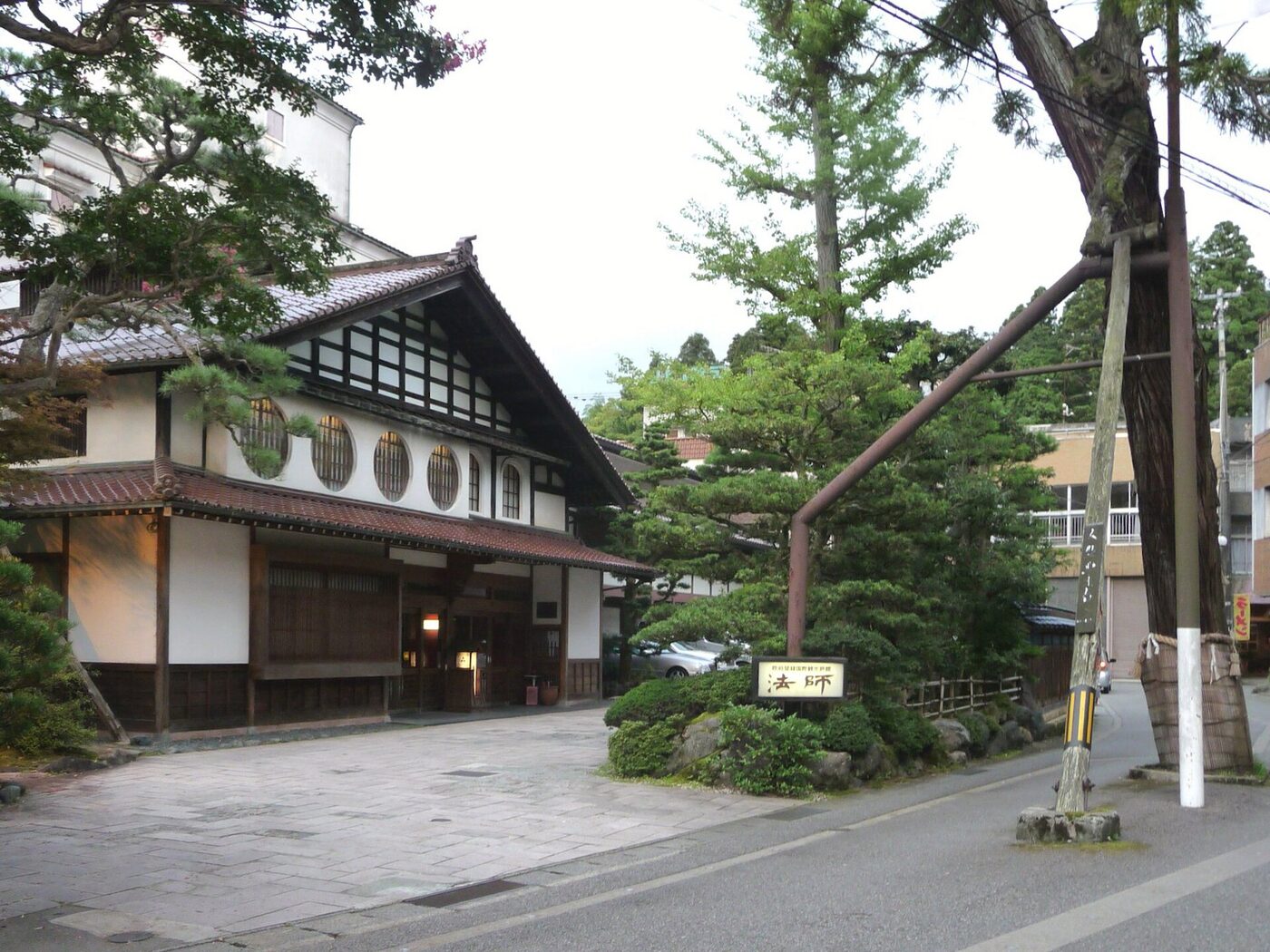
Step into a postcard-perfect scene at Ikaho Onsen, a historic hot spring town in Gunma Prefecture, famous for its charming 365-step stone staircase and its unique, iron-rich hot spring waters. This beloved destination offers a delightful blend of traditional Japanese atmosphere and therapeutic relaxation, making it a must-visit for any traveler seeking an authentic onsen experience. The iconic stone steps are the heart of Ikaho, leading visitors through a vibrant streetscape filled with nostalgic shops and eateries, all while hinting at the healing powers of the local waters.
The journey through Ikaho Onsen often begins with its most recognizable feature: the 365-step stone staircase [1]. This impressive stairway is more than just a path; it's a symbol of the town's wish for prosperity and lively energy throughout the entire year [1]. As you ascend, you'll find yourself immersed in a nostalgic atmosphere, with traditional shops, cozy restaurants, welcoming ryokan (Japanese inns), and even retro game arcades lining both sides of the path [1, 4]. It's a place where time seems to slow down, inviting you to explore at your own pace and soak in the unique ambiance. The steps themselves are a gentle climb, offering plenty of opportunities to pause, browse, and enjoy the sights and sounds of this charming town.
Beyond the visual appeal of the stone steps, Ikaho Onsen is celebrated for its exceptional hot spring waters, which come in two distinct types: "Kogane no Yu" (Golden Water) and "Shirogane no Yu" (Silver Water) [3, 11]. The "Golden Water" is particularly noteworthy for its unique properties and appearance. This is a sulfate spring with a distinctive reddish-brown hue [3, 13]. The color develops as the iron content within the water oxidizes when exposed to the air, creating a visually striking effect that is a hallmark of Ikaho's hot springs [3]. The presence of iron in the water is believed to offer various therapeutic benefits, making it a sought-after remedy for a range of ailments.
The iron-rich "Kogane no Yu" has a long-standing reputation for its healing properties [3, 13]. Traditionally, it is said to be beneficial for alleviating muscle pains, reducing fatigue, and improving poor circulation [3, 13]. It is also traditionally believed to help with nerve pain and is sometimes associated with benefits for women's health [3]. For those with minor injuries, it is said to aid in the healing of cuts and burns [3]. Due to these perceived benefits, it has even earned the nickname "spring of fertility" in some traditions [3]. When experiencing this water, it's important to be aware that its iron content can potentially stain light-colored swimwear and towels [10].
In contrast to the mineral-rich "Golden Water," Ikaho Onsen also offers "Shirogane no Yu," or "Silver Water" [3, 11]. This spring is a more recent discovery, identified in 1996 [3]. Unlike the "Golden Water," "Silver Water" is clear and odorless, offering a different kind of bathing experience [3]. It is traditionally believed to be beneficial for recovery from illness and fatigue, and to promote overall health and well-being [3]. The availability of both types of water means visitors can choose the experience that best suits their needs or simply enjoy the variety that Ikaho Onsen has to offer.
What Kind of Hot Spring Water Does Ikaho Onsen Have?
| Water Type | Color | Odor | Key Characteristics
The charm of Ikaho Onsen extends beyond its natural springs and historical pathways. The town itself is designed to be explored, with the stone steps serving as a central artery connecting various points of interest [4]. The shops and eateries along the staircase offer a chance to sample local delicacies, find unique souvenirs, and experience the warm hospitality of the region [1, 4]. Many of these establishments have a retro feel, reminiscent of Japan's Showa era, adding to the nostalgic atmosphere that many visitors find so appealing [1].
For those interested in experiencing the onsen directly, day-trip options are available. Public bathhouses like the Ikaho Rotemburo and Ishidan no Yu offer visitors the chance to soak in the therapeutic waters without staying overnight [9]. The Ikaho Rotemburo has an entrance fee of ¥600 for adults, while the Ishidan no Yu is priced at ¥800 for adults [9]. These facilities provide a convenient way to enjoy the benefits of Ikaho's hot springs, though it's important to check their specific operating hours and closing days, as these can vary [9].
When visiting any onsen in Japan, including those in Ikaho, adhering to standard onsen etiquette is crucial for a respectful and enjoyable experience [20, 21]. This includes thoroughly washing your body before entering the hot spring bath to maintain cleanliness [20, 21]. It is also customary to avoid submerging your towel in the bath water [20, 21]. For those with tattoos, it's important to be aware of the policies. Traditionally, many public bathhouses in Japan, including some in Ikaho, have not permitted tattoos in communal bathing areas due to historical associations [8, 16]. However, some facilities are becoming more understanding, and private bath options may be available at some ryokan [8, 16]. It is always advisable to check the specific policy of the facility you plan to visit beforehand [16, 22].
How Do I Get to Ikaho Onsen?
Getting to Ikaho Onsen from Tokyo is a straightforward journey, typically involving a combination of train and bus travel. One common route is to take the Shinkansen (bullet train) from Tokyo Station to Takasaki Station. From Takasaki, you would then transfer to a local train on the Joetsu Line to Shibukawa Station. The final leg of the journey is a bus ride from Shibukawa Station to Ikaho Onsen [10, 26]. The total travel time for this route is approximately 2 to 3 hours [10, 26].
Alternatively, direct highway buses are available from Shinjuku Bus Terminal in Tokyo to Ikaho Onsen [13, 28]. This option can be more convenient as it eliminates the need for transfers. The bus journey also takes around 2.5 to 3 hours, with one-way fares generally ranging between 2800 and 3200 yen [13, 28]. This makes it a competitive option in terms of both time and cost compared to the train route.
Once you arrive in Ikaho Onsen, the town is relatively compact and largely walkable, especially the area around the stone steps [7]. However, comfortable, slip-resistant shoes are highly recommended [3]. The stone steps can become slippery, particularly when wet from rain or ice during colder months [3]. This will ensure your exploration of the town is safe and enjoyable.
The unique combination of the visually striking 365-step stone staircase, the nostalgic atmosphere of the shops and inns, and the distinctive, iron-rich hot spring waters makes Ikaho Onsen a truly memorable destination [1, 3, 4]. Whether you are seeking relaxation, a glimpse into traditional Japanese culture, or the therapeutic benefits of onsen, Ikaho Onsen offers a rich and rewarding experience for every visitor.
Popular onsen towns to stay in
One stay in each of three classic onsen towns, listed on Rakuten Travel, Japan's largest domestic booking site.
- 箱根湯本温泉 伊東園ホテル 箱根湯本 Hakone · ★ 4.0 (671 reviews) · from ¥7,898
- 草津温泉 5種貸切風呂の宿 湯宿 きんだい Kusatsu · ★ 4.4 (548 reviews) · from ¥13,000
- 城崎温泉 しののめ荘 Kinosaki · ★ 3.9 (134 reviews) · from ¥12,900
Links open Rakuten Travel, which is in Japanese — your browser's built-in translation handles the booking pages well. We may earn a commission at no extra cost to you.
Sources
[1] gltjp.com — https://www.gltjp.com/en/article/item/20483/ [3] quietjapanguide.com — https://quietjapanguide.com/en/ikaho-onsen/ [4] greatertokyo.jp — https://greatertokyo.jp/see-and-do/ikaho-stone-steps/ [7] japan.travel — https://www.japan.travel/en/spot/311/ [8] donnykimball.com — https://donnykimball.com/ikaho-onsen-2b083d6abeea [9] d-japantravel.com — https://d-japantravel.com/travel/ikaho-onsen-best-places [10] visit-gunma.jp — https://www.visit-gunma.jp/en/plan-your-trip/access-guide/how-to-get-to-ikaho/ [11] visit-gunma.jp — https://www.visit-gunma.jp/en/spots/ikaho-onsen/ [13] att-japan.net — https://att-japan.net/en/ikaho-travel-guide/ [16] onsenoni.com — https://www.onsenoni.com/en/tattoo-friendly-onsen/ikaho [20] japan.travel — https://www.japan.travel/en/ph/story/onsen-etiquette/ [21] snowmonkeyresorts.com — https://www.snowmonkeyresorts.com/onsen-hot-springs-japan/onsen-etiquette-how-to-use-hot-springs-in-japan/ [22] tattoofriendlyonsen.com — https://www.tattoofriendlyonsen.com/onsen-locations/shibukawa [26] visit-gunma.jp — https://www.visit-gunma.jp/en/plan-your-trip/access-guide/how-to-get-to-ikaho/ [28] kosokubus.com — https://www.kosokubus.com/column/en/?detail00328
Ready to plan your visit?
Prices and slots for popular baths change with the season — check today's availability before you build your itinerary.
Check availability on Klook