Navigating Japan's Serene Onsen Towns Without Speaking Japanese
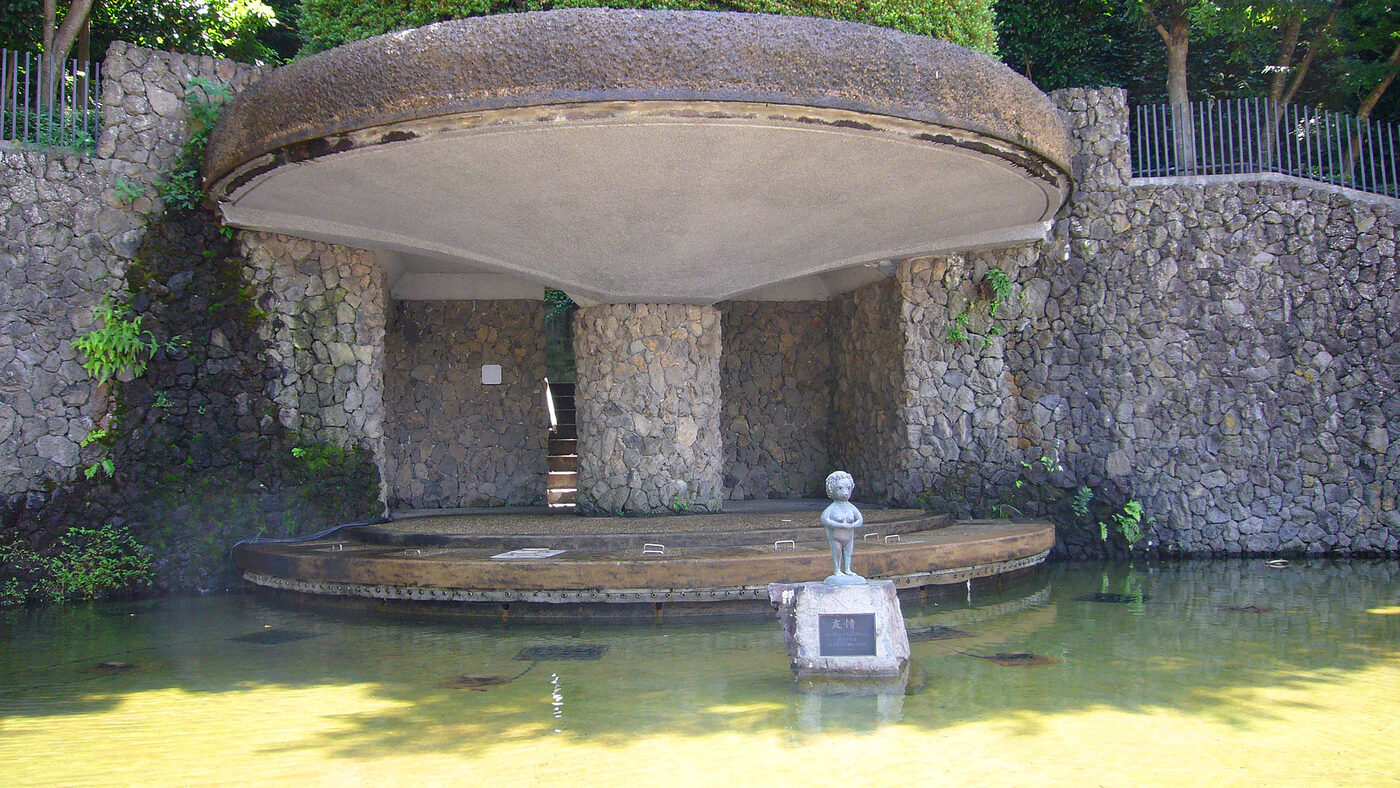
Reaching Japan's tranquil onsen towns is surprisingly straightforward for visitors who don't speak Japanese. Major train stations offer multilingual ticket machines and staff, while convenient IC cards simplify local travel. Highway buses provide direct routes to many popular onsen destinations, often bypassing complex transfers and making your journey smooth and enjoyable.
The allure of Japan's onsen (hot springs) extends far beyond the cities, drawing visitors to charming towns nestled in scenic landscapes. For many international travelers, the prospect of navigating Japan's public transportation system without speaking the language can seem daunting. However, with a little preparation and understanding of the available tools, reaching these relaxing havens is well within reach. This guide aims to equip you with the knowledge to confidently embark on your onsen adventure.
Getting to Onsen Towns: Your Transportation Toolkit
Japan's transportation network is renowned for its efficiency and punctuality. While Japanese signage can be a barrier, numerous resources exist to help you navigate.
Train Travel: The Backbone of Japanese Transport
Trains are often the most efficient way to reach onsen towns, especially those served by the Japan Rail (JR) network. Major stations are equipped to assist international travelers.
- Multilingual Ticket Machines: Many JR stations, particularly in larger cities, feature ticket vending machines with English language options. These machines can be used to purchase Shinkansen (bullet train) tickets and other JR train tickets. The process is intuitive, often mirroring systems found in other countries.
- JR Ticket Offices: For more complex itineraries or if you prefer human assistance, JR ticket offices (often marked with a red star symbol) are staffed by individuals who can help you purchase tickets. While not all staff will speak fluent English, they are accustomed to assisting foreign tourists and often use translation tools or visual aids.
- The Japan Rail Pass: If you plan on extensive train travel across Japan, the Japan Rail Pass can be a cost-effective option. It covers travel on most JR lines, including many Shinkansen routes that will take you to stations near onsen towns [6]. However, it's important to note that the pass typically does not cover local private railways or buses that operate within the onsen towns themselves, such as those in Hakone [6].
Local Travel: IC Cards and Buses
Once you're closer to your onsen destination, or for travel within urban areas, other transportation methods become important.
- IC Cards (Suica, Pasmo, etc.): For local train and bus travel within cities and some surrounding areas, IC cards like Suica or Pasmo are incredibly useful. These rechargeable cards allow you to tap and go, eliminating the need to purchase individual tickets for each journey. You can purchase and top up these cards at machines with English menus, or at convenience stores [3]. While not universally accepted in every remote onsen town, they are invaluable for getting to the major hubs from which you might transfer.
- Highway Buses: For certain onsen towns, direct highway buses offer a convenient and often more affordable alternative to trains. These buses depart from major city terminals like Tokyo or Osaka and can take you directly to popular destinations such as Kusatsu Onsen or Arima Onsen, avoiding the need for multiple transfers [8]. Booking can often be done online in advance, sometimes with English interfaces.
Popular Onsen Towns and How to Reach Them
Let's look at some well-loved onsen destinations and their accessibility for non-Japanese speakers.
Hakone Onsen: A Scenic Escape from Tokyo
Accessibility: Hakone is a popular and relatively easy onsen destination to reach from Tokyo. How to Get There: From Shinjuku Station in Tokyo, you can take the Odakyu Romancecar directly to Hakone-Yumoto Station. This journey takes approximately 85 minutes and offers scenic views, especially on clear days when Mount Fuji might be visible [25]. The Romancecar is a comfortable limited express train, and tickets can be purchased at Shinjuku Station's Odakyu ticket office or through their online booking system, which often has English options.
Kusatsu Onsen: Famous for its Yubatake
Accessibility: Kusatsu Onsen, in Gunma Prefecture, is renowned for its high sulfur content and its iconic Yubatake (hot water field). How to Get There: From Tokyo, reaching Kusatsu Onsen typically takes between 2.5 to 4 hours. You have a couple of options:
- Train and Bus Combination: Take a JR train from Tokyo to Naganohara-Kusatsuguchi Station, and then transfer to a local bus for the remaining journey to Kusatsu Onsen town.
- Direct Highway Bus: A more straightforward option is to take a direct highway bus from major terminals in Tokyo, such as Shinjuku Bus Terminal. This often bypasses the need for transfers and can be booked online [9, 10].
Browse Kusatsu ryokan & hotel deals on Expedia →
Kinosaki Onsen: A Charming Bath-Hopping Town
Accessibility: Located in Hyogo Prefecture, Kinosaki Onsen is a picturesque town famous for its seven public bathhouses, which visitors can enjoy by hopping from one to another. How to Get There: From Kyoto, you can reach Kinosaki Onsen in about 2.5 hours by taking a JR limited express train. The journey is generally direct and well-signposted in English at major stations. If you have a Japan Rail Pass, this route is likely covered [31].
Arima Onsen: A Historic Spa Near Osaka
Accessibility: Arima Onsen is one of Japan's oldest hot spring resorts, easily accessible from the Kansai region. How to Get There: From Osaka, Arima Onsen is a convenient 45-60 minute direct bus ride. This is often the simplest and most direct method, avoiding train transfers [24]. Look for buses departing from major Osaka stations like Umeda.
Find Kinosaki Onsen onsen tickets & tours on Klook →
Navigating Onsen Etiquette: A Smooth Experience
Understanding onsen etiquette is crucial for a respectful and enjoyable experience. While the language barrier might seem like a hurdle, most onsen facilities provide visual guides and signage in English, especially in tourist-frequented areas.
Before You Bathe
- Washing is Key: Before entering any communal bath, you must thoroughly wash your entire body with soap and rinse completely at the designated shower area. This is a fundamental aspect of Japanese onsen hygiene [17, 18].
- Nudity is Standard: In most public onsen, nudity is mandatory. Swimsuits are not allowed [18]. This can be a significant cultural difference, but it's essential to embrace it for the full onsen experience.
- Towel Usage: The small towel provided is for washing yourself and drying off afterward. It should not be submerged in the bathwater. Many people place it on their head while bathing as a way to keep it clean and out of the water [18, 19].
In the Bath
- Quiet Respect: Onsen are places for relaxation and quiet contemplation. Maintain a peaceful atmosphere by speaking softly and avoiding loud noises [19].
- No Splashing or Swimming: Onsen are for soaking, not for playing. Avoid splashing water or treating the bath like a swimming pool [19].
- Hair Management: If you have long hair, tie it up to prevent it from falling into the bathwater. This is another aspect of maintaining water cleanliness [19, 20].
- Tattoo Policies: Traditionally, tattoos were often prohibited in onsen due to their association with organized crime. However, this is changing, and many tourist-oriented onsen are now tattoo-friendly or offer private bathing options [11, 12]. Kinosaki Onsen is particularly welcoming to visitors with visible tattoos in all its public bathhouses [15]. Always check the specific policy of the onsen you plan to visit.
Beyond the Bath: Accommodation and Further Assistance
Ryokan Stays
Many onsen towns are home to traditional Japanese inns, known as ryokan. These often offer a complete onsen experience, with private baths or access to communal baths within the establishment.
- Reservations: Popular ryokan, especially those in well-known onsen towns, often require reservations weeks in advance, particularly for weekend stays [16]. Booking online through international travel sites or the ryokan's own website (which may have English versions) is recommended.
Browse Hakone ryokan & hotel deals on Expedia →
Translation Tools
For moments when you need to communicate, consider using a translation app on your smartphone. Apps like Google Translate or dedicated travel translators can be invaluable for understanding signs, menus, or having basic conversations with staff [1].
Planning Your Journey
- Route Planning Apps: Utilize navigation apps like Google Maps or Japan Travel by NAVITIME. These apps provide detailed public transport information, including train and bus schedules, routes, and estimated travel times, often with English interfaces [10].
- Travel Information Websites: Websites like Japan Guide, Japan.travel, and dedicated onsen guides offer comprehensive information on destinations, transportation, and accommodation, often with English content [2, 28].
By leveraging these tools and understanding the general principles of travel in Japan, your journey to the serene onsen towns will be a rewarding and stress-free experience, allowing you to fully immerse yourself in the relaxing waters and beautiful surroundings.
Popular onsen towns to stay in
One stay in each of three classic onsen towns, listed on Rakuten Travel, Japan's largest domestic booking site.
- 箱根湯本温泉 伊東園ホテル 箱根湯本 Hakone · ★ 4.0 (625 reviews) · from ¥7,898
- 草津温泉 5種貸切風呂の宿 湯宿 きんだい Kusatsu · ★ 4.4 (532 reviews) · from ¥13,000
- 城崎温泉 しののめ荘 Kinosaki · ★ 3.8 (122 reviews) · from ¥11,900
Links open Rakuten Travel, which is in Japanese — your browser's built-in translation handles the booking pages well. We may earn a commission at no extra cost to you.
Sources
[1] timekettle.co — https://www.timekettle.co/blogs/tips-and-tricks/travel-japan-without-speaking-japanese [2] japan-guide.com — https://www.japan-guide.com/e/e2016.html [3] cotoacademy.com — https://cotoacademy.com/navigating-japans-train-system-without-pasmo-or-suica-a-guide-to-paper-tickets-in-japan/ [6] getjrpass.com — https://getjrpass.com/zh/jr-pass-onsen-towns [8] visit-gunma.jp — https://www.visit-gunma.jp/en/discover/stories-and-guides/onsen-hopping-near-tokyo/ [9] onseninsider.com — https://onseninsider.com/tokyo-to-gunma-onsen-towns/ [10] navitime.com — https://japantravel.navitime.com/en/area/jp/guide/NTJonry2500004-en/ [11] japan.travel — https://www.japan.travel/en/au/story/7-tattoo-friendly-onsen-japan/ [12] kashiwaya.org — https://www.kashiwaya.org/e/magazine/onsen/tattoos.html [15] visitkinosaki.com — https://visitkinosaki.com/plan/visitor-info/guides/tattoos-in-kinosaki-onsen/ [16] booking.com — https://www.booking.com/articles/japan-onsen.html [17] beppu-jp.com — https://enjoyonsen.city.beppu-jp.com/onsen/howtotakeonsen/ [18] marriott.com — https://traveler.marriott.com/asia-pacific/onsen-japan-etiquette-for-first-timers/ [19] elitehavens.com — https://www.elitehavens.com/magazine/onsen-etiquette-101-what-to-do-what-not-to-do/ [20] reddit.com — https://www.reddit.com/r/JapanTravelTips/comments/1bzg43g/onsen_etiquette_dos_and_donts_posting_because/ [24] firebirdtours.com — https://www.firebirdtours.com/blog/best-onsen-towns-in-japan [25] modernlivingjapan.com — https://modernlivingjapan.com/en/blog/top-10-onsen-day-trips-within-2-hours-of-tokyo [28] matcha-jp.com — https://matcha-jp.com/en/5887 [31] jrpass.com — https://www.jrpass.com/blog/visit-kinosaki-onsen-with-the-japan-rail-pass
Ready to plan your visit?
Prices and slots for popular baths change with the season — check today's availability before you build your itinerary.
Check availability on Klook