Is the JR East Pass Worth It for Visiting Japan's Onsen Towns?
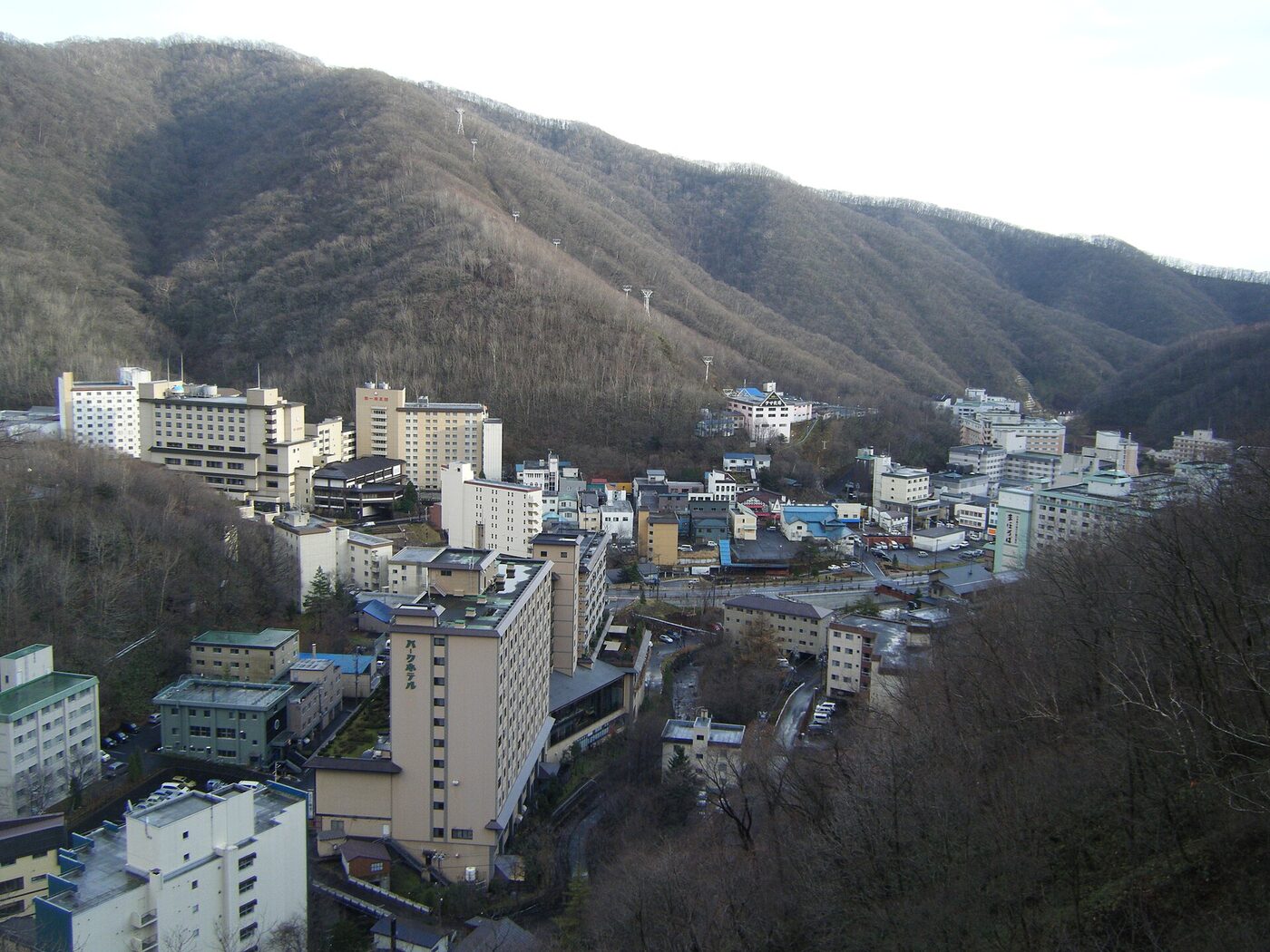
The JR East Pass can be a very worthwhile investment for exploring Japan's onsen towns, especially if you plan to visit multiple destinations within its coverage areas. Its value depends heavily on your itinerary and travel style, as it offers unlimited rides on JR East trains, including Shinkansen and limited express services, making travel to popular onsen regions more affordable and convenient.
Japan is famous for its soothing hot springs, or onsen. Many of these are nestled in beautiful, scenic areas, often far from major cities. Traveling to these onsen towns can involve significant train journeys, and this is where the JR East Pass comes into play. This article will help you understand if purchasing a JR East Pass is the right choice for your onsen-focused adventure in Japan.
Understanding the JR East Pass Options
JR East offers several regional passes, but for onsen town exploration, two main options are most relevant: the general JR East Pass and the more specific JR East Pass (Tohoku Area) and JR East Pass (Nagano, Niigata Area). As of March 2026, the general JR East Pass costs ¥35,000 for 5 consecutive days or ¥50,000 for 10 consecutive days for adults [2]. These passes provide extensive coverage across the JR East network.
For those focusing on the northern parts of the JR East network, the JR East Pass (Tohoku Area) is a popular choice. It costs ¥30,000 for 5 consecutive days and covers the Tohoku and Kanto regions [2]. This pass is particularly useful as it includes access to Shinkansen lines and even some private railways like Tobu Railway, which is a key connection to popular onsen destinations like Nikko and Kinugawa Onsen [2, 11].
If your onsen plans lean towards the mountainous regions of central Japan, the JR East Pass (Nagano, Niigata Area) might be more suitable. This pass is priced at ¥27,000 for 5 consecutive days for adults and covers Nagano, Niigata, and parts of the Kanto region [2, 8]. It also includes Shinkansen and local JR bus services within its designated area.
What Can You Ride with a JR East Pass?
The core benefit of any JR East Pass is the ability to ride JR East trains an unlimited number of times within the pass's validity period and coverage area [3]. This includes the high-speed Shinkansen (bullet trains) on lines like the Tohoku, Akita, Yamagata, Joetsu, and Hokuriku lines, as long as they fall within JR East's operational limits [2]. You can also use the pass on limited express trains, rapid trains, and local trains [2, 3].
Furthermore, the passes often include local JR buses within their respective coverage zones [2, 8]. This is crucial for reaching onsen towns that might not be directly served by a train station. For example, accessing Kusatsu Onsen, one of Japan's most famous hot spring resorts known for its highly acidic waters, typically involves taking the Shinkansen to Naganohara-Kusatsuguchi Station and then catching a covered JR bus [1].
Free seat reservations are also a significant perk. You can reserve seats for Shinkansen and limited express trains at ticket offices or designated ticket vending machines without extra charge [3]. This is especially helpful during peak travel seasons to ensure you get a seat on your desired train.
Comparing Pass Costs to Individual Tickets
The true value of a JR East Pass is realized when the cost of individual train tickets for your planned itinerary exceeds the pass price. Let's consider a hypothetical example. A round trip between Tokyo and Aomori, a city in the Tohoku region, can cost around ¥36,000 [15]. This single round trip is already comparable to the price of a 5-day JR East Pass (Tohoku Area) at ¥30,000 [2]. If you plan to make this journey and then explore other onsen towns in the Tohoku region, the pass quickly becomes more economical.
To illustrate, let's compare the cost of a 5-day JR East Pass (Tohoku Area) with the potential cost of individual tickets for a multi-onsen town trip.
| Destination 1 (Tokyo to) | Destination 2 (e.g., to) | Estimated Round Trip Cost (Tokyo <-> Destination) | Potential Additional Travel | Total Estimated Cost (Individual Tickets) | JR East Pass (Tohoku Area) 5-Day Cost | Savings with Pass |
|---|---|---|---|---|---|---|
| Nikko Onsen | Kinugawa Onsen | ¥10,000 - ¥15,000 | Travel to other Tohoku onsen | ¥25,000 - ¥40,000+ | ¥30,000 | Varies |
| Kusatsu Onsen | Echigo-Yuzawa | ¥15,000 - ¥20,000 | Travel to other Nagano/Niigata onsen | ¥30,000 - ¥50,000+ | ¥27,000 (Nagano/Niigata Pass) | Varies |
| Aomori | Hachinohe | ¥36,000 | Local travel within Tohoku | ¥40,000+ | ¥30,000 | Potentially high |
Note: These are estimated costs and can vary based on train types, booking times, and specific routes. The JR East Pass (Tohoku Area) covers Tobu Railway to Nikko/Kinugawa, which is a significant advantage for these destinations [2, 11].
If your travel plans involve multiple long-distance journeys within the pass's valid regions, the savings can be substantial. For instance, a trip from Tokyo to Ginzan Onsen in Yamagata Prefecture and then to another onsen town in the Tohoku region would likely incur significant individual ticket costs, making the ¥30,000 pass a very attractive option [11].
Popular Onsen Towns Accessible with the JR East Pass
The JR East Pass opens doors to many of Japan's most beloved onsen destinations.
Tohoku Region
The JR East Pass (Tohoku Area) is excellent for exploring this region.
- Ginzan Onsen (Yamagata Prefecture): This picturesque town, with its rows of traditional wooden inns and gas lamps, is a dream for photographers and onsen lovers alike. It's accessible within the Tohoku Pass coverage [11].
- Kusatsu Onsen (Gunma Prefecture): While technically in the Kanto region, its accessibility via JR lines and buses makes it a prime candidate. As mentioned, you take the Shinkansen to Naganohara-Kusatsuguchi and then a JR bus [1].
- Nyuto Onsen (Akita Prefecture): Known for its rustic charm and milky, mineral-rich waters, Nyuto Onsen is a collection of unique ryokan, each with its own distinct onsen experience [6]. Access typically involves JR trains to Tazawako Station followed by a local bus.
Nagano and Niigata Regions
The JR East Pass (Nagano, Niigata Area) is your key to these areas.
- Echigo-Yuzawa (Niigata Prefecture): Famous for its hot springs and as a gateway to ski resorts, Echigo-Yuzawa offers a variety of onsen experiences. It's also a great base for exploring the surrounding areas, which can be accessed by local JR buses covered by the pass [7].
- Nozawa Onsen (Nagano Prefecture): A historic onsen village that also boasts excellent skiing in winter, Nozawa Onsen is a vibrant destination year-round. While the main access is via bus from Nagano or Iiyama, the JR East Pass (Nagano, Niigata Area) covers the train journeys to these stations [7].
Considerations Beyond Train Travel
While the JR East Pass covers your transportation, remember that it doesn't include accommodation or entrance fees to onsen facilities. Onsen experiences can range from public bathhouses to luxurious ryokan stays.
Onsen Etiquette and Tattoos
It's important to be aware of onsen etiquette before you visit. Generally, you must wash thoroughly before entering the bathing area, keep towels out of the water, and avoid loud behavior [9, 16]. Most onsen require complete nudity in gender-separated baths; swimwear is not allowed [9, 17].
A common concern for international visitors is the policy on tattoos. Traditionally, many onsen prohibited tattoos due to their association with organized crime in Japan. However, this is changing. Some onsen are becoming tattoo-friendly, while others may allow small tattoos to be covered with special seals [12, 20, 21]. Private baths (kashikiri) are also an option if you're concerned about tattoo policies or prefer more privacy [12]. Always check the specific onsen's policy beforehand if you have tattoos [20, 22].
Browse Ginzan Onsen ryokan & hotel deals on Expedia → Find onsen experiences across Japan on Klook →
Is the JR East Pass Worth It for You?
The JR East Pass is likely worth buying if:
- You plan to visit multiple onsen towns within the JR East network.
- Your itinerary includes long-distance Shinkansen or limited express train journeys. For example, a round trip from Tokyo to Aomori alone can cost around ¥36,000, making the ¥30,000 Tohoku Pass a good deal [15].
- You value the convenience of unlimited travel and pre-booked seats.
- You are traveling between March 2026 and the pass's expiration date and the prices listed are still current.
The JR East Pass might not be the best option if:
- Your travel is limited to one or two onsen towns close to Tokyo, and you won't be making many long train journeys.
- You plan to rely heavily on buses or private transportation to reach your onsen destinations.
- You are only staying for a very short period and your travel is concentrated in a small area where individual tickets would be cheaper.
Find onsen experiences across Japan on Klook → Browse onsen ryokan stays across Japan on Expedia →
To make the most informed decision, map out your intended onsen destinations and calculate the approximate cost of individual train tickets using online journey planners. Compare this total to the price of the relevant JR East Pass for the duration of your trip. This will give you a clear picture of potential savings and the overall value for your specific travel plans.
Popular onsen towns to stay in
One stay in each of three classic onsen towns, listed on Rakuten Travel, Japan's largest domestic booking site.
- 箱根湯本温泉 伊東園ホテル 箱根湯本 Hakone · ★ 4.0 (625 reviews) · from ¥7,898
- 草津温泉 5種貸切風呂の宿 湯宿 きんだい Kusatsu · ★ 4.4 (532 reviews) · from ¥13,000
- 城崎温泉 しののめ荘 Kinosaki · ★ 3.8 (122 reviews) · from ¥11,900
Links open Rakuten Travel, which is in Japanese — your browser's built-in translation handles the booking pages well. We may earn a commission at no extra cost to you.
Sources
[1] navitime.com — https://japantravel.navitime.com/en/area/jp/guide/NTJjtg2602006-en/ [2] jreast.co.jp — https://www.jreast.co.jp/en/multi/pass/ [3] pelago.com — https://www.pelago.com/en/articles/jr-east-pass-how-to-use/ [6] japanrailclub.com — https://www.japanrailclub.com/terrific-tohoku-hot-springs-nyuto-onsen/ [7] go-nagano.net — https://db.go-nagano.net/en/travel-guide/transportation/passes/ [8] jreast.co.jp — https://www.jreast.co.jp/e/downloads/pdf/jep_nagano_e.pdf [9] japan-guide.com — https://www.japan-guide.com/e/e2361_02.html [11] japan-experience.com — https://www.japan-experience.com/transportation/regional-passes/tohoku/jr-east-pass [12] thejapanode.com — https://thejapanode.com/guides/japan-onsen-etiquette-tattoo-guide [15] japanrailclub.com — https://www.japanrailclub.com/your-travel-guide-to-the-revised-jr-east-rail-passes/ [16] japan.travel — https://www.japan.travel/en/guide/how-to-best-enjoy-onsen/ [17] jal.co.jp — https://www.jal.co.jp/kr/en/guide-to-japan/plan-your-trip/tips/things-to-know-before-onsen-visit.html [20] tattoofriendlyonsen.com — https://www.tattoofriendlyonsen.com/guides/can-you-visit-onsen-in-japan-with-tattoos [21] kashiwaya.org — https://www.kashiwaya.org/e/magazine/onsen/tattoos.html [22] reddit.com — https://www.reddit.com/r/JapanTravelTips/comments/1ns3uki/is_visiting_onsen_with_tattoos_generally_allowed/
Ready to plan your visit?
Prices and slots for popular baths change with the season — check today's availability before you build your itinerary.
Check availability on Klook