Your Complete Guide to Shibu Onsen's Nine Bath Hopping Adventure
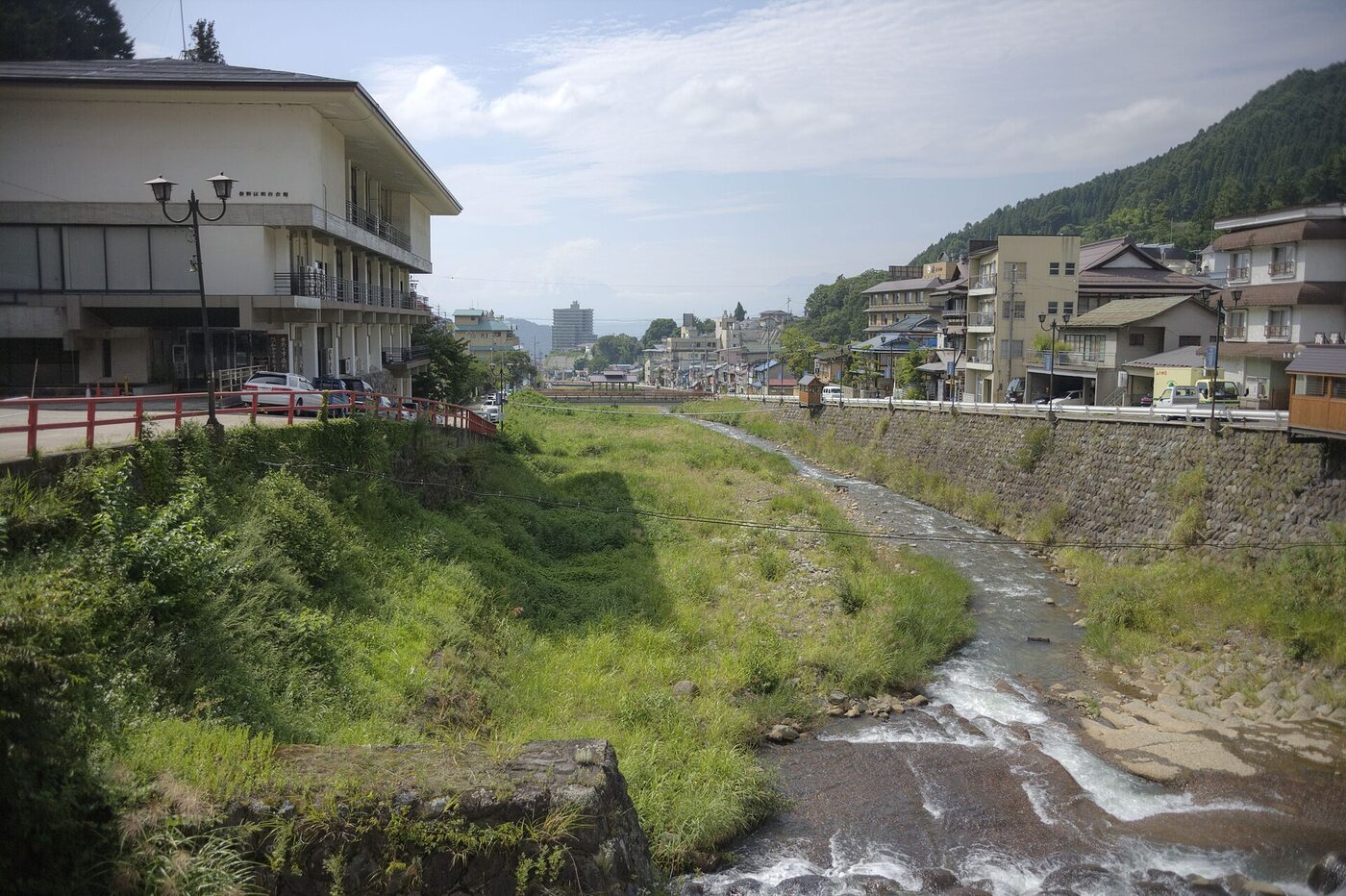
Discover the unique charm of Shibu Onsen by experiencing its "Kyu-to Meguri," a traditional nine-bath pilgrimage. This guide helps you navigate this historic hot spring town, offering a refreshing journey through its therapeutic waters and local culture.
Shibu Onsen is a beautifully preserved hot spring village in Nagano Prefecture, famous for its "Kyu-to Meguri," or nine-bath pilgrimage. This traditional practice allows visitors to experience the unique mineral qualities of each of the town's nine public outdoor baths, known as "soto-yu." Staying at a local ryokan is the key to accessing all nine baths, making it a truly immersive experience.
How Do I Get to Shibu Onsen?
Getting to Shibu Onsen from Tokyo is a straightforward journey involving a combination of train lines. First, take the Hokuriku Shinkansen bullet train from Tokyo Station to Nagano Station. This high-speed train ride typically takes about 1.5 hours [1]. From Nagano Station, transfer to the Nagano-Dentetsu Line and travel to Yudanaka Station, which is about a 45-minute ride [1]. Upon arrival at Yudanaka Station, a short bus or taxi ride will bring you directly to the heart of Shibu Onsen village [1].
What is the "Kyu-to Meguri" (Nine-Bath Pilgrimage)?
The Kyu-to Meguri is a beloved tradition in Shibu Onsen where visitors hop between the town's nine distinct public outdoor baths [7]. Each bath is said to have unique water properties, believed to offer various health benefits [7]. The pilgrimage is not just about soaking; it's also a cultural experience. Traditionally, participants collect a special stamp at each bathhouse on a dedicated towel. Completing the circuit is thought to bring good fortune [7].
The entire nine-bath circuit typically takes around 2.5 to 3 hours to complete, assuming you include time for soaking in each bath [6]. It's a leisurely pace that allows you to appreciate the atmosphere of each location. The traditional route follows a clockwise path, often ending at Yakushi Temple [6].
Who Can Use the Nine Public Baths?
Access to all nine public baths is a privilege primarily for guests staying at a ryokan (traditional Japanese inn) in Shibu Onsen [3]. When you check into your accommodation, you will usually be provided with a special key or pass that grants you entry to all the soto-yu [3]. This makes staying overnight in the village an essential part of experiencing the full Kyu-to Meguri.
For those not staying in a Shibu Onsen ryokan, access is limited. Non-guests can only use the largest and most central bath, known as Oyu (Bath No. 9), for a fee of ¥500 [3]. Oyu is typically open to the public from around 10:00 AM to 4:00 PM or 5:00 PM [3]. Payment and entry for Oyu are usually managed at the Shibu Onsen Ryokan Association Office or the Shibu Onsen Parking Lot [3].
What Are the Opening Hours for the Baths?
The nine public baths in Shibu Onsen are generally accessible to overnight guests from early morning until late evening. Most baths are typically open from 6:00 AM to 10:00 PM [7]. However, it's worth noting that some individual baths might close earlier than others for cleaning and maintenance [7]. It's always a good idea to check the specific hours at your ryokan or with the local information center if you have a particular bath in mind.
What Etiquette Should I Follow at the Onsen?
Onsen etiquette is important for a respectful and enjoyable experience for everyone. Before entering any of the baths, it is essential to thoroughly wash and rinse your body in the designated showering area [23]. This ensures the bathwater remains clean. Bathing is done completely nude; swimsuits or any other clothing are not permitted in the water [23].
When you are in the bath, do not submerge your towel or your head in the water [23]. The spring water can be quite hot, so be mindful of the temperature. Most baths are equipped with cold water faucets that you can use to adjust the temperature to your comfort level [23].
It's also important to know that these public baths are simple facilities. They do not typically provide showers, shampoos, or body soaps [23]. Many also lack lockers or safes for valuables in the changing rooms [23]. Therefore, it is recommended to wash thoroughly at your accommodation before visiting the public baths and to secure your belongings there as well [23].
Wearing a yukata (a traditional Japanese robe) and geta (wooden sandals) when walking between the baths is considered part of the experience and is often provided by your ryokan [9]. This adds to the authentic atmosphere of strolling through the historic streets of Shibu Onsen.
What Are the Nine Baths?
The nine public baths, or soto-yu, each offer a unique experience. While they are all fed by natural hot spring water, their mineral compositions vary, leading to different therapeutic properties [7].
Here is a list of the nine baths, often referred to as Bath No. 1 through No. 9:
- Ichino-yu (Bath No. 1): Often considered the oldest public bath in Shibu Onsen, it has a simple, rustic charm.
- Nino-yu (Bath No. 2): Known for its hot water, it's a good place to experience the intense heat of the springs.
- Sanno-yu (Bath No. 3): This bath is often described as having a slightly different mineral content, offering a unique soaking experience.
- Yonno-yu (Bath No. 4): Another bath with its own distinct water quality.
- Gono-yu (Bath No. 5): Offers a peaceful atmosphere for relaxation.
- Rokuno-yu (Bath No. 6): A well-maintained bath that is popular among visitors.
- Shichino-yu (Bath No. 7): This bath is known for its clear waters.
- Hachino-yu (Bath No. 8): A more secluded option for a quiet soak.
- Oyu (Bath No. 9): The largest of the nine baths and the only one accessible to non-guests for a fee [3]. It is often considered the "main" bath and is located near Yakushi Temple.
Are Tattoos Allowed at Shibu Onsen?
Shibu Onsen is generally more accepting of tattoos in its public bathhouses compared to many other traditional Japanese onsen [15]. This makes it a more welcoming destination for international visitors who may have tattoos [15]. While it's always good to be mindful of local customs, the atmosphere in Shibu Onsen is typically more relaxed regarding visible tattoos [16].
What Are the Benefits of the Hot Spring Water?
Shibu Onsen boasts 100% natural, free-flowing hot spring water sourced from numerous underground springs [7]. Each of the nine public baths has a unique mineral composition [7]. These waters are traditionally believed to have healing properties for various ailments, such as skin conditions, muscle pain, and fatigue [7]. The different mineral content in each bath means you can experience a variety of therapeutic effects by completing the circuit.
What is the "Kyu-to Meguri" Towel and Stamp Collection?
A key part of the Kyu-to Meguri experience is collecting commemorative stamps on a special towel [7]. These towels, often sold at ryokans or local shops, have spaces for you to receive a unique stamp from each of the nine bathhouses [7]. The tradition culminates in receiving a final stamp at Yakushi Temple, which is believed to bring good fortune [7]. This towel serves as a unique souvenir of your pilgrimage.
Comparing Access and Experience
To help you understand the differences in accessing the baths, here is a simple comparison:
| Feature | Ryokan Guests | Non-Ryokan Guests (Day Visitors) |
|---|---|---|
| Access to 9 Baths | Yes, with a special key/pass | No |
| Access to Oyu (No. 9) | Yes, included with key/pass | Yes, for ¥500 fee |
| Typical Hours | 6:00 AM - 10:00 PM | Approx. 10:00 AM - 4:00/5:00 PM |
| Stamp Collection | Yes, for all 9 baths | Not applicable |
| Yukata/Geta | Usually provided by ryokan | Not typically provided |
| Cost | Included with accommodation | ¥500 for Oyu |
Browse Shibu Onsen ryokan & hotel deals on Expedia → Find Shibu Onsen onsen tickets & tours on Klook →
Planning Your Visit
When planning your trip to Shibu Onsen, consider staying at least one night to fully enjoy the Kyu-to Meguri. This will give you ample time to visit all nine baths at your own pace. Most ryokans in Shibu Onsen offer traditional Japanese meals as part of their packages, adding to the cultural immersion.
Browse Shibu Onsen ryokan & hotel deals on Expedia →
Remember to pack light when you go for your bath hopping adventure, as you'll be walking between the baths. Your ryokan will likely provide a yukata and geta, and you'll want to carry your stamp towel and perhaps a small bag for your essentials.
The charming streets of Shibu Onsen, with their traditional wooden buildings and lanterns, are a delight to explore. Take your time, soak in the atmosphere, and enjoy the unique experience of this historic hot spring town.
Find Shibu Onsen onsen tickets & tours on Klook →
Where to stay in Shibu
Onsen hotels and ryokan in Shibu listed on Rakuten Travel, Japan's largest domestic booking site.
- 渋温泉 大陽館 ヤマト屋 ★ 4.6 (128 reviews) · from ¥12,350
- 信州渋温泉 渋白銀屋旅館 ★ 4.3 (188 reviews) · from ¥10,000
- 渋温泉 いかり屋旅館 ★ 4.7 (337 reviews) · from ¥9,900
Links open Rakuten Travel, which is in Japanese — your browser's built-in translation handles the booking pages well. We may earn a commission at no extra cost to you.
Sources
[1] rakuten.com — https://travel.rakuten.com/contents/usa/en-us/guide/shibu-onsen-guide/ [3] shibuonsen.net — https://shibuonsen.net/en/ninepublicbath/ [6] shigakogenhub.com — https://shigakogenhub.com/blog/shibu-onsen-nine-public-baths-walking-guide [7] shibuonsen.net — https://shibuonsen.net/en/ninepublicbath/ [9] japan.travel — https://www.japan.travel/en/spot/1339/ [15] tattoofriendlyonsen.com — https://www.tattoofriendlyonsen.com/onsen-locations/yudanaka-shibu [16] snowmonkeyresorts.com — https://www.snowmonkeyresorts.com/activities/tattoo-friendly-onsen-nagano [23] shibuonsen.net — https://shibuonsen.net/en/ninepublicbath/manner/
Ready to plan your visit?
Prices and slots for popular baths change with the season — check today's availability before you build your itinerary.
Check availability on Klook