Experience Nikko Yumoto Onsen: A Winter Wonderland of Snow and Soothing Hot Springs
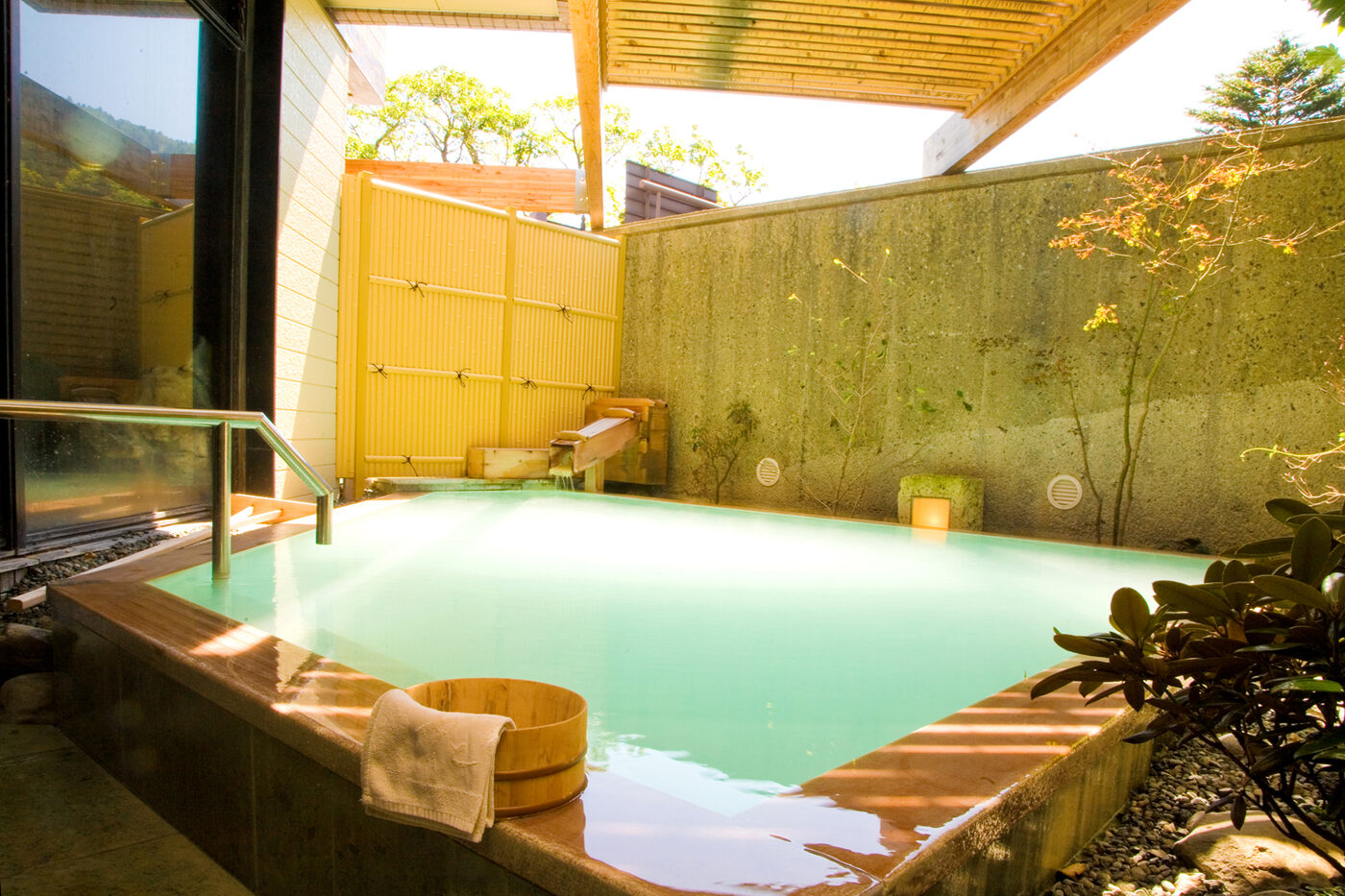
Discover the magic of Nikko Yumoto Onsen in winter, a serene mountain retreat offering a unique blend of snow-covered landscapes and therapeutic hot springs. Accessible by bus from Nikko Station, this high-altitude onsen town provides a tranquil escape, especially during the snowy months, though some facilities may have winter closures.
Nikko Yumoto Onsen, situated at an elevation of approximately 1,470 meters [4], is the highest and most remote onsen destination in the Nikko area. This means that during winter, from roughly December to March, the region is often blanketed in snow, transforming the landscape into a picturesque winter wonderland. The journey to Yumoto Onsen from JR or Tobu Nikko Station is a scenic bus ride that takes about 60 to 80 minutes [1]. This bus service is a convenient way to reach the onsen town, with a one-way trip costing around ¥1950 [1]. For those planning multiple bus journeys within the area, consider using bus passes such as the 2-day Yumoto Onsen Free Pass, priced at ¥3500, or the comprehensive All Nikko Pass, both of which cover the bus route to Yumoto Onsen [2, 7].
While the bus is a reliable option, driving to Yumoto Onsen in winter presents specific requirements and potential challenges. Vehicles must be equipped with winter tires to navigate the snowy roads safely [3]. Furthermore, road closures are possible during severe winter weather conditions, so it is advisable to check local road status before embarking on a drive [3].
The onsen water itself is a defining characteristic of Yumoto Onsen. It is known for its strongly sulfurous nature, which gives the water a distinctive milky-white appearance and a characteristic sulfur smell [4]. This unique water is traditionally believed to be beneficial for skin beautification, neuralgia, and muscle recovery [4]. Interestingly, the hot spring water is colorless at its source but turns milky white or even emerald green upon exposure to the air due to oxidation [5]. This natural phenomenon adds to the mystique of the onsen experience.
For visitors interested in experiencing the onsen without staying overnight, day-use bathing, known as higaeri nyuyoku, is available at select ryokan (traditional Japanese inns) in Yumoto Onsen [9]. These day-use options typically range in price from ¥500 to ¥1,500 per person, offering a more accessible way to enjoy the therapeutic waters [9].
However, it is important to be aware of winter closures for certain facilities in the Okunikko area, including around Yumoto Onsen. Public toilets and some roads are closed from December to March [8]. Additionally, the free public foot bath, Anyo-no-yu, is closed during the winter season [8]. Onsenji Temple, which historically offered a public hot spring bath, is also closed from late November to late April, with the exact dates dependent on local snowfall conditions [8, 21]. These closures are in place to manage the harsh winter environment and ensure safety.
Despite some closures, the natural beauty and unique geothermal features of Yumoto Onsen remain accessible. A particularly striking sight in winter is the visible hot spring source at Yunodaira Marsh. Here, steam dramatically rises from the geothermal ground, creating an almost mystical atmosphere, especially when contrasted against the crisp, cold winter air [10]. This natural spectacle is a testament to the powerful geothermal activity beneath the surface.
For those who enjoy winter sports, the Nikko Yumoto Onsen Ski Area is a nearby attraction. It typically operates from late December until late March and is known for its high-quality powder snow, making it a popular spot for skiers and snowboarders seeking an authentic Japanese powder experience [16].
When visiting any onsen in Japan, understanding and adhering to onsen etiquette is crucial for a respectful and enjoyable experience. General onsen etiquette requires full nudity in the baths; swimsuits are not permitted [19]. It is also advisable to inquire about tattoo policies beforehand, as some establishments may prohibit entry or require tattoos to be covered [18, 20]. This is a common practice in many Japanese onsen to accommodate all guests.
Navigating the access to Nikko Yumoto Onsen in winter requires a bit of planning, but the rewards are significant. The combination of serene snowy landscapes, the unique milky-white sulfurous waters, and the tranquil mountain atmosphere offers a truly memorable winter escape.
Accessing Nikko Yumoto Onsen in Winter
Getting to Nikko Yumoto Onsen during the winter months is primarily done via public transportation or by car. The most common and recommended method for inbound tourists is by bus from the gateway cities of Nikko.
By Bus: The journey begins at either JR Nikko Station or Tobu Nikko Station. From these stations, regular Tobu Bus services operate directly to Yumoto Onsen [1]. The bus ride is approximately 60 to 80 minutes long and offers scenic views as you ascend into the mountains [1]. The fare for a one-way trip is around ¥1950 [1].
For those planning to explore more of the Nikko area, bus passes can offer a cost-effective solution. The 2-day Yumoto Onsen Free Pass, costing ¥3500, is specifically designed for this region and covers unlimited travel on designated buses, including the route to Yumoto Onsen [7]. Alternatively, the All Nikko Pass provides broader coverage for various attractions and transportation within the Nikko region, also including the bus journey to Yumoto Onsen [2]. These passes are excellent value for money if you intend to use public transport extensively.
By Car: Driving to Nikko Yumoto Onsen is an option, but it comes with specific winter driving considerations. It is mandatory for vehicles to be equipped with winter tires to ensure safety on potentially icy or snow-covered roads [3]. Drivers should also be prepared for the possibility of road closures, especially during periods of heavy snowfall or severe winter weather [3]. Checking local road conditions and weather forecasts before and during your trip is highly recommended if you choose to drive. Parking availability at accommodations in Yumoto Onsen should also be confirmed in advance.
Winter Experience at Nikko Yumoto Onsen
Nikko Yumoto Onsen offers a distinct charm in winter, characterized by its snow-covered surroundings and the unique properties of its hot springs.
Snowfall and Scenery: As one of the highest onsen towns in Nikko, Yumoto Onsen experiences significant snowfall during winter, typically from December through March [8]. The landscape is transformed into a serene, white panorama, with snow dusting the trees and mountains, creating a peaceful and picturesque atmosphere. This makes it an ideal destination for those seeking a quiet winter retreat away from the bustling cities.
The Onsen Water: The hot spring water at Yumoto Onsen is renowned for its high sulfur content, giving it a distinctive milky-white appearance and a noticeable sulfurous scent [4]. This unique characteristic is a result of the water's chemical composition and its interaction with the air upon surfacing [5]. The water, originally colorless, oxidizes to become milky white or even a greenish hue [5]. This sulfurous water is traditionally believed to have therapeutic benefits, including aiding skin beautification, relieving neuralgia, and assisting in muscle recovery [4].
Day-Use Bathing: For visitors who wish to experience the onsen without staying overnight, day-use bathing (higaeri nyuyoku) is available at several ryokan in Yumoto Onsen [9]. These facilities typically charge between ¥500 and ¥1,500 per person, providing an affordable opportunity to soak in the mineral-rich waters and enjoy the winter scenery from the comfort of an onsen bath [9].
Geothermal Wonders: A unique natural attraction is the Yunodaira Marsh, where the hot spring source is visible [10]. In winter, the steam rising from the geothermal ground is particularly dramatic against the cold, snowy backdrop, creating a captivating visual spectacle [10].
Winter Activities: While the primary draw is the onsen experience, the Nikko Yumoto Onsen Ski Area offers winter sports enthusiasts the chance to enjoy skiing and snowboarding [16]. The ski season typically runs from late December to late March, and the area is known for its quality powder snow [16].
Important Considerations for Winter Visitors
When planning a winter trip to Nikko Yumoto Onsen, it's essential to be aware of certain operational changes and closures that occur during the colder months.
Facility Closures: Several public facilities in the Okunikko area, including those around Yumoto Onsen, are closed during winter, generally from December to March [8]. This includes some public toilets and certain roads, which are maintained and reopened in spring [8].
The free public foot bath, Anyo-no-yu, is also closed throughout the winter season [8]. Onsenji Temple, which historically provided a public onsen bath, is closed from late November until late April, with the exact dates subject to local snowfall conditions [8, 21]. These closures are implemented for safety and operational reasons during the challenging winter months.
Onsen Etiquette: As with all onsen visits in Japan, familiarizing yourself with onsen etiquette is important [19]. The fundamental rule is that bathing is done in complete nudity; swimsuits are not allowed in the bathing areas [19]. It is also a good practice to inquire about a facility's policy on tattoos, as some may require them to be covered or may prohibit entry for individuals with visible tattoos [18, 20]. This ensures a comfortable experience for all bathers.
Bus Pass Options: For convenient and economical travel, consider purchasing a bus pass. The 2-day Yumoto Onsen Free Pass (¥3500) or the All Nikko Pass can cover your bus journeys to and from Yumoto Onsen, as well as travel within the wider Nikko region [2, 7]. These passes can significantly reduce transportation costs and simplify travel logistics.
Nikko Yumoto Onsen in winter offers a unique opportunity to experience the tranquility of a snow-covered mountain landscape combined with the therapeutic benefits of its distinctive hot springs. While some facilities have winter closures, the core onsen experience and the natural beauty of the area remain accessible for those who plan their visit accordingly.
| Feature | Description |
|---|---|
| Location | Nikko National Park, elevation approx. 1,470 meters [4]. Highest and most remote onsen in Nikko. |
| Winter Season | Typically December to March, with significant snowfall. |
| Access (Bus) | Approx. 60-80 minutes from JR/Tobu Nikko Station. Cost: ~¥1950 one-way [1]. Passes available: 2-day Yumoto Onsen Free Pass (¥3500), All Nikko Pass [2, 7]. |
| Access (Car) | Requires winter tires. Road closures possible during severe weather [3]. |
| Onsen Water Type | Strongly sulfurous, milky-white to emerald green (due to oxidation). Distinct sulfur smell [4, 5]. |
| Onsen Benefits | Traditionally considered beneficial for skin beautification, neuralgia, and muscle recovery [4]. |
| Day-Use Bathing | Available at select ryokan. Cost: ¥500 - ¥1,500 per person [9]. |
| Winter Closures | Public toilets and some roads (Dec-Mar) [8]. Free foot bath Anyo-no-yu [8]. Onsenji Temple bath (late Nov - late Apr) [8, 21]. |
| Natural Features | Yunodaira Marsh: visible hot spring source with dramatic steam rising in winter [10]. |
| Nearby Activities | Nikko Yumoto Onsen Ski Area: typically open late Dec - late Mar, known for powder snow [16]. |
| Onsen Etiquette | Full nudity required, no swimsuits [19]. Inquire about tattoo policies [18, 20]. |
| Elevation | Approx. 1,470 meters [4]. |
| Unique Feature | Milky-white sulfurous water, visible geothermal activity at Yunodaira Marsh [4, 10]. |
Browse onsen ryokan stays across Japan on Expedia → Find onsen experiences across Japan on Klook →
Popular onsen towns to stay in
One stay in each of three classic onsen towns, listed on Rakuten Travel, Japan's largest domestic booking site.
- 箱根湯本温泉 伊東園ホテル 箱根湯本 Hakone · ★ 4.0 (648 reviews) · from ¥9,548
- 草津温泉 5種貸切風呂の宿 湯宿 きんだい Kusatsu · ★ 4.4 (542 reviews) · from ¥13,000
- 城崎温泉 しののめ荘 Kinosaki · ★ 3.9 (128 reviews) · from ¥12,900
Links open Rakuten Travel, which is in Japanese — your browser's built-in translation handles the booking pages well. We may earn a commission at no extra cost to you.
Sources
[1] hotspringsguides.com — https://www.hotspringsguides.com/hot-springs/yumoto-onsen-nikko-japan [2] japan-guide.com — https://www.japan-guide.com/e/e3807.html [3] hiddenjapan-gems.com — https://hiddenjapan-gems.com/nikko-winter-travel-guide/ [4] nikkoyumoto-vc.com — https://www.nikkoyumoto-vc.com/english/visitor/ [5] trip.com — https://us.trip.com/moments/detail/nikko-56719-151399782/ [7] earthhostel.com — https://earthhostel.com/nikko-bus-pass-timetable/ [8] earthhostel.com — https://earthhostel.com/yumoto-onsen/ [9] matcha-jp.com — https://matcha-jp.com/en/3985 [10] visit-tochigi.com — https://www.visit-tochigi.com/plan-your-trip/things-to-do/1081/ [16] snowjapan.com — https://www.snowjapan.com/ski-areas-in-japan/tochigi-prefecture/nikko-city/nikko-yumoto-onsen [18] jal.co.jp — https://www.jal.co.jp/ar/en/guide-to-japan/plan-your-trip/tips/things-to-know-before-onsen-visit.html [19] japan.travel — https://www.japan.travel/en/ph/story/onsen-etiquette/ [20] ryokanwanderings.com — https://www.ryokanwanderings.com/japan-travel-tips/onsen-etiquette-guide [21] visitnikko.jp — https://www.visitnikko.jp/en/spots/winter-closure-facilities-in-okunikko/
Ready to plan your visit?
Prices and slots for popular baths change with the season — check today's availability before you build your itinerary.
Check availability on Klook