Experience a Traditional Japanese New Year: Onsen, Temple Bells, and the First Bath
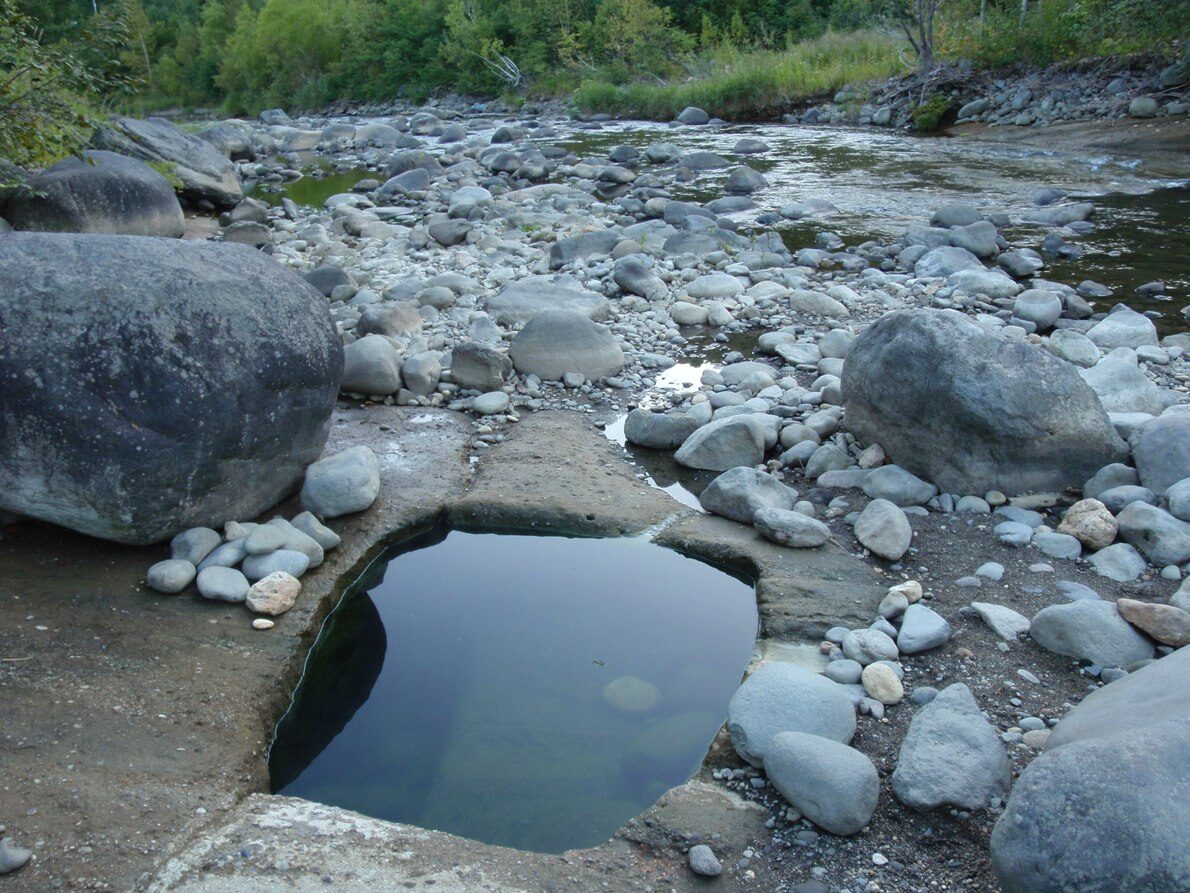
Welcome the New Year in Japan with a truly unforgettable experience: the ringing of temple bells at midnight, followed by a rejuvenating first bath in a traditional onsen. This unique combination offers a peaceful and spiritual start to the year, blending ancient customs with soothing relaxation.
What is Joya no Kane?
Joya no Kane (除夜の鐘) is a significant Japanese Buddhist tradition observed on New Year's Eve. The name itself translates to "New Year's Eve Bell Ringing." This practice involves ringing a large temple bell 108 times [1]. The number 108 is symbolic in Buddhism, representing the 108 worldly desires or temptations that humans are said to have [4]. By ringing the bell 108 times, the aim is to purify these desires and welcome the new year with a clear mind and a fresh start [1].
The ceremony typically begins just before midnight on December 31st. The bells are rung repeatedly, with the final strike often occurring precisely as the new year, January 1st, begins [1]. This timing is crucial, as it signifies the transition from the old year to the new, cleansing away the past and embracing the future. Many temples across Japan participate in this ritual, drawing locals and visitors alike to witness and partake in this profound cultural event. The resonant sound of the bell echoing through the night is a powerful and moving way to mark the turn of the year.
Why 108 Rings?
The significance of the 108 rings in Joya no Kane is deeply rooted in Buddhist philosophy. It is believed that humans are plagued by 108 earthly desires or defilements [4]. These desires can be anything from greed and anger to envy and ignorance. The ringing of the bell 108 times is a ritualistic act of purification, intended to cleanse individuals of these negative thoughts and feelings accumulated over the past year [3]. Each ring is thought to dispel one of these desires, allowing people to enter the new year with a lighter spirit and a more virtuous heart [4].
This practice is not unique to New Year's Eve; some temples may ring bells on other occasions. However, the 108 rings on December 31st are particularly special, as they are performed to mark the end of one year and the beginning of another. It's a collective act of spiritual renewal, where the community gathers to symbolically shed their burdens and embrace a sense of peace and tranquility for the year ahead [3]. The sound of the bell is not just an auditory experience; it is considered a spiritual one, designed to bring about inner calm and mindfulness.
Experiencing Joya no Kane in an Onsen Town
Combining the spiritual observance of Joya no Kane with the relaxing tradition of an onsen offers a uniquely Japanese New Year's experience. Many onsen towns, particularly those with a long history, are home to ancient Buddhist temples. These temples often hold public Joya no Kane ceremonies, inviting everyone to participate.
Imagine this: you've spent the day soaking in the warm, mineral-rich waters of an onsen, your body relaxed and your mind at ease. As evening approaches, you make your way to a nearby temple. The air is crisp and cool, and the anticipation of the midnight bell ringing fills the atmosphere. You join the crowd, perhaps holding a small offering or simply standing in quiet reflection. As midnight nears, the temple bell begins its resonant toll, 108 times, each strike a powerful reminder of the year's end and the new beginning [1].
After the final chime, a sense of peace descends. Many visitors then return to their ryokan (traditional Japanese inn) or onsen facility to experience the hatsu-yu (初湯), or the first bath of the New Year [5]. This is another cherished tradition, where people take a bath on the morning of January 1st to cleanse themselves and wish for good health and fortune in the coming year [5]. Soaking in the onsen waters again, this time with the lingering resonance of the temple bells in your ears, is an incredibly profound way to start the year.
Finding the Right Onsen Town for New Year's Eve
When planning a New Year's trip centered around Joya no Kane and an onsen, it's important to choose a location that offers both. Many popular onsen destinations have temples that host these ceremonies. Some well-known areas include:
- Kyoto: As a city rich in history and Buddhist heritage, Kyoto has numerous temples that perform Joya no Kane. Famous examples include Chion-in Temple, known for its massive bell, and Kiyomizu-dera Temple [10]. Many of Kyoto's surrounding onsen areas, like Arashiyama or Kurama, will have temples participating in the tradition.
- Tokyo: While a bustling metropolis, Tokyo also has temples that hold these ceremonies. For instance, Zojo-ji Temple, with its iconic view of Tokyo Tower, is a popular spot [2]. Tokyo's onsen districts, such as Oedo Onsen Monogatari (though its status can change, check current operations) or more traditional areas like Hakone (a day trip from Tokyo), offer opportunities to combine the experiences.
- Other Regions: Many other onsen towns across Japan, from the northern island of Hokkaido to the southern island of Kyushu, will have local temples participating. Researching specific onsen towns and their local temples is key.
It's crucial to note that New Year's is a very popular time for travel in Japan. Accommodation, especially in popular onsen towns, books up far in advance. Many facilities will have special New Year's packages that might include traditional food like osechi-ryori (New Year's celebratory food) and other festive activities [6]. Booking your accommodation and understanding the specific schedules for Joya no Kane at local temples well ahead of time is highly recommended.
The First Bath (Hatsu-yu): A Symbol of Renewal
Following the spiritual cleansing of Joya no Kane, the hatsu-yu (初湯), or the first bath of the New Year, offers a physical and symbolic renewal [5]. This tradition is observed on the morning of January 1st. Taking a bath on this day is believed to wash away any lingering impurities from the previous year and to bring good health, good fortune, and a fresh start for the year ahead [5].
The onsen waters themselves, often rich in minerals, are seen as having purifying and healing properties, making them the perfect setting for this ritual. Whether you're enjoying a private bath at your ryokan or visiting a public onsen, the hatsu-yu is a moment of quiet contemplation and a hopeful embrace of the new year. It’s a chance to reflect on the past year, set intentions for the future, and simply enjoy the warmth and tranquility of the water.
Planning Your New Year's Onsen Trip
To make the most of your New Year's Eve at an onsen town temple and enjoying the first bath, consider these points:
- Book Early: As mentioned, New Year's is peak travel season in Japan. Secure your accommodation and any special New Year's Eve events well in advance, ideally many months ahead [6].
- Check Temple Schedules: While Joya no Kane is widespread, the exact start times and accessibility can vary. Research the specific temples in your chosen onsen town and confirm their New Year's Eve bell-ringing schedule. Some temples may have limited space or require advance tickets for certain viewing areas.
- Transportation: Plan your travel to and from the onsen town. Japan's public transportation is excellent, but trains and buses can be very crowded around New Year's. Consider booking Shinkansen (bullet train) tickets in advance if traveling long distances.
- New Year's Day Closures: Be aware that many shops, restaurants, and some attractions may be closed on January 1st and possibly the following days for the New Year holiday. Onsen facilities and ryokans, however, are generally open and often have special offerings.
- Embrace the Atmosphere: New Year's in Japan is a time of family gatherings and traditional observances. Be respectful of local customs and enjoy the unique atmosphere of a quiet, spiritual, and relaxing start to the year.
Joya no Kane vs. Other New Year's Celebrations
| Feature | Joya no Kane (Onsen Town Temple) | Other Major New Year's Celebrations (e.g., Shibuya Crossing) |
|---|---|---|
| Atmosphere | Peaceful, spiritual, reflective, serene | Energetic, crowded, festive, celebratory |
| Focus | Buddhist ritual, purification of desires, welcoming the new year | Countdown, parties, entertainment, large crowds |
| Activity | Listening to temple bells, quiet contemplation, hatsu-yu | Counting down, fireworks, music, social gatherings |
| Ideal for | Those seeking tranquility, cultural immersion, relaxation | Those seeking excitement, large-scale events, nightlife |
| Typical Location | Temples in onsen towns, rural areas, historic districts | Major city centers, iconic landmarks |
| Key Tradition | 108 bell rings, hatsu-yu (first bath) | Countdown, hatsumode (first shrine visit) |
A Meaningful Start to the Year
Celebrating New Year's Eve at an onsen town temple, with the resonant sound of the Joya no Kane bell and the subsequent hatsu-yu, offers a deeply meaningful and restorative way to begin the year. It's an experience that connects you with ancient Japanese traditions, allows for personal reflection, and rejuvenates both body and spirit. The combination of serene temple rituals and the therapeutic warmth of onsen waters creates a truly unique and unforgettable start to your New Year.
Browse onsen ryokan stays across Japan on Expedia → Find onsen experiences across Japan on Klook →
Popular onsen towns to stay in
One stay in each of three classic onsen towns, listed on Rakuten Travel, Japan's largest domestic booking site.
- 箱根湯本温泉 伊東園ホテル 箱根湯本 Hakone · ★ 4.0 (648 reviews) · from ¥9,548
- 草津温泉 5種貸切風呂の宿 湯宿 きんだい Kusatsu · ★ 4.4 (542 reviews) · from ¥13,000
- 城崎温泉 しののめ荘 Kinosaki · ★ 3.9 (128 reviews) · from ¥12,900
Links open Rakuten Travel, which is in Japanese — your browser's built-in translation handles the booking pages well. We may earn a commission at no extra cost to you.
Sources
[1] metronine.osaka — https://metronine.osaka/en/article_tour/article-osakafinder02/ [2] timeout.com — https://www.timeout.com/tokyo/things-to-do/tokyos-top-ten-new-years-eve-bells [3] sakura.co — https://sakura.co/blog/ring-in-the-new-year-the-history-of-joya-no-kane [4] bells.org — https://www.bells.org/blog/why-do-japanese-bells-ring-108-times-new-year-eve [5] matcha-jp.com — https://matcha-jp.com/en/1340 [6] discover-chushi-japan.com — https://discover-chushi-japan.com/column/chushi-all/traditionculture/4966.html [10] mktaxi-japan.com — https://mktaxi-japan.com/kyoto/articles/a-famous-new-years-eve-tradition-the-powerful-joya-no-kane-at-chion-in-temple-in-kyoto/
Ready to plan your visit?
Prices and slots for popular baths change with the season — check today's availability before you build your itinerary.
Check availability on Klook